
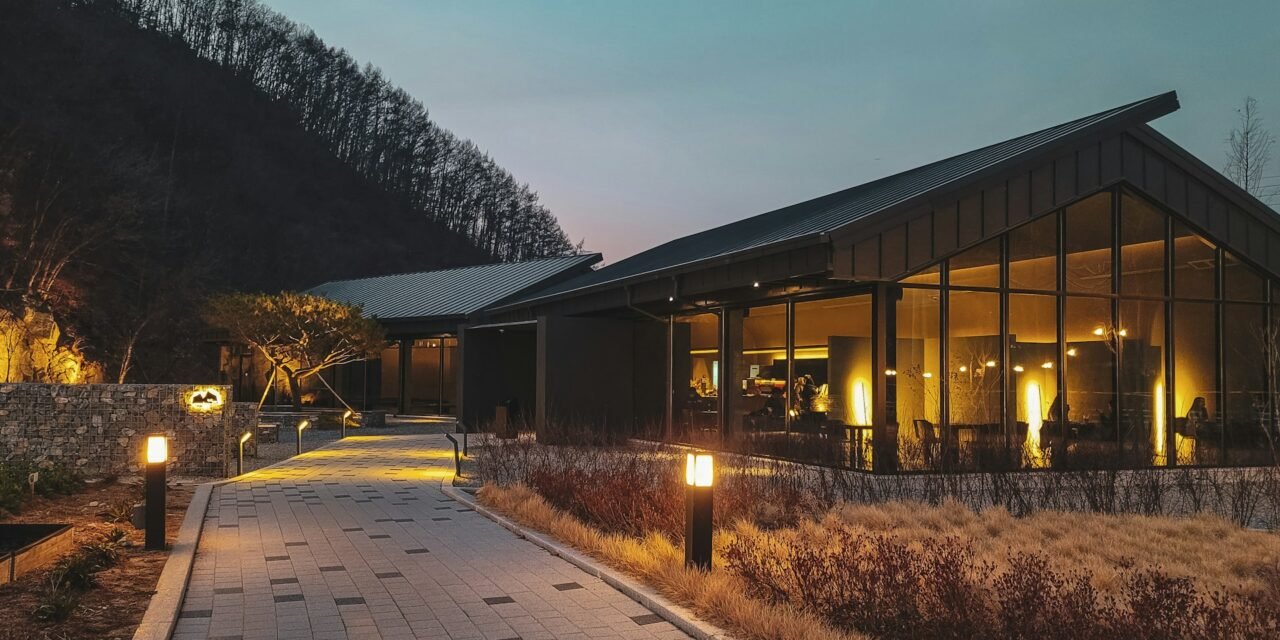
Your roof is basically the helmet for your house. It takes a beating from the sun, rain, wind, and whatever else nature decides to throw its way, all so you can stay cozy inside watching Netflix.
Most of us don’t think about our roofs until there’s a leak dripping onto the carpet, and by then, it’s too late. Instead, consider giving your roof a little TLC. It doesn’t just prevent disasters; it can actually boost your home’s value, lower energy bills, and make your property more appealing to future buyers.
We’re going to walk through the roof upgrades with the biggest benefits for your home. Read on to find your next life-changing renovation.
Energy-Efficient Shingles
Standard asphalt shingles are like heat sponges—they soak up the sun and radiate that heat right into your attic. In the middle of July, that means your AC has to work overtime just to keep you from melting.
Cool roofing shingles are designed to reflect more sunlight and absorb less heat than standard roofing materials. It’s essentially the same principle behind wearing a white T-shirt on a hot day instead of a black one. By keeping your roof surface cooler, you reduce the heat transferred into the building. This simple swap can lower your cooling costs, improve indoor comfort, and even extend the lifespan of the roof itself since it isn’t baking as hard.
Improved Ventilation
Next up, let’s talk about airflow. You might think sealing everything up tight is the best way to insulate, but your attic actually needs to breathe. Without proper ventilation, heat and moisture get trapped upstairs. In the summer, this cooks your shingles from the bottom up. In the winter, it can cause ice dams that wreck your gutters.
Adding ridge vents, soffit vents, gable vents, or even powered attic fans can drastically change the game. Proper airflow keeps the temperature in your attic closer to the outside temperature, which is exactly what you want. This prevents moisture buildup, protects your insulation, and keeps your shingles from warping.
High-Quality Underlayment
Most people obsess over the shingles because that’s the part you can see from the street. But the real MVP is the underlayment. This is the waterproof barrier installed directly onto your roof deck before the shingles go on. If a shingle blows off during a storm, the underlayment is your last line of defense against a watery living room.
Upgrading from standard felt paper to a synthetic underlayment offers superior protection. Synthetic options are tougher, lighter, and repel water far better than the old-school stuff. They don’t tear as easily during installation, they lie flatter, and they resist mold growth much better.
Metal Roofing
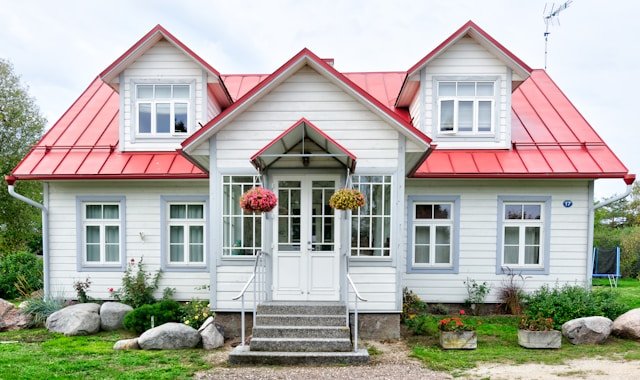
If you want to go beast mode on durability, consider switching to metal. You might not think this material can fit in a residential neighborhood, but think again. Metal roofs come in all sorts of styles, colors, finishes, and profiles that can mimic slate, tile, or even wood shakes.
Metal roofs are practically indestructible. They stay put during high winds, shrug off heavy snow, and resist fire completely. While asphalt shingles might last 20 years if you’re lucky, a metal roof can easily hit the 50-year mark. Metal is also recyclable at the end of its life, making it a greener choice.
Solar Panels
Solar panels are the ultimate flex for the modern homeowner. You’re turning dead space on your roof into a mini power plant. With energy prices going up steadily, generating your own juice is a smart financial move.
Installing solar panels increases your home’s value immediately. Besides the monthly savings, tax credits might also enter the picture. Even though federal incentives are ending on December 31st, 2025, your state might have credits or rebates that won’t be going away.
Solar panels do require a substantial initial investment, and you need to make sure your roof structure can handle the weight, but the long-term ROI is hard to beat.
Gutter Guards
Clogged gutters are bad news because they cause water to back up under your shingles or overflow and damage your foundation. But cleaning gutters is the worst.
Fortunately, there’s a device that does the dirty work for you: the gutter guard. This protective cap keeps the muck out of the drainage point while letting the water flow freely. It’s a low-cost upgrade with high-value protection for the entire perimeter of your home.
Skylights or Solar Tubes
Let there be light! Dark rooms are depressing, and relying on electric lights all day costs money. Adding a skylight or a solar tube can transform a gloomy hallway or bathroom into a bright, inviting space.
Plus, today’s skylights aren’t the leaky nightmares of the past. They come with proper flashing kits and energy-efficient glass that blocks UV rays while letting the sunshine in. Solar tubes are even easier to install and can pipe natural light into spaces where a traditional skylight wouldn’t fit.
Eave Flashing
The edges of your roof, or eaves, are particularly vulnerable to ice dams in colder climates. This happens when snow melts on the warm upper part of the roof and refreezes at the cold edge, forcing water to back up under the shingles.
Upgrading your eave flashing involves installing a specialized waterproofing membrane along the edges of the roof before the shingles go on. This self-sealing membrane closes around the nails and creates a watertight barrier. Even if ice dams form, the water can’t penetrate the deck. It is a crucial defense mechanism for anyone living in the snow belt.
Wrapping It Up
There you have it—eight roof upgrades with the biggest benefits for your home. Whether you go for the energy-saving shingles, the indestructible metal, or just some solid ventilation, you’re investing in the health of your biggest asset.
And keep in mind that these are not small projects. While some of these jobs might look like fun weekend projects for the brave DIYer, roofs are dangerous and complicated beasts. Therefore, it’s important to hire an expert for roof repairs and major installations to ensure everything is up to code and watertight. Your house will thank you, and your wallet will too in the long run.