
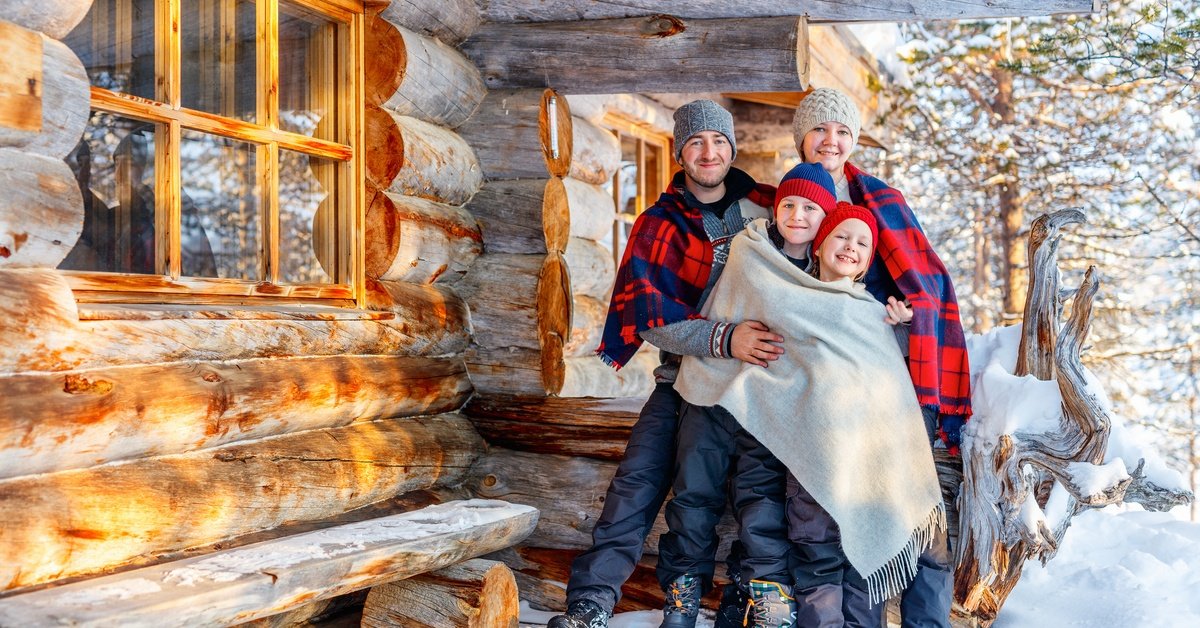
A cabin retreat offers the rare chance for family members to slow down, reconnect, and trade screens for towering trees and fresh air. Staying in a cabin pulls you away from rigid schedules and replaces them with mornings guided by sunlight and evenings shaped by shared stories.
When families go on these getaways, they can develop memories that stick for years. Read on to learn how to make the most of a family cabin retreat in the forest.
Choose the Right Cabin for Your Family
Before you set out for the woods, it’s important to find the right cabin for you and your family. Some offer the benefit of deep seclusion, while others sit close to trails, lakes, or small towns. Thinking through how remote you want to be helps you avoid surprises and ensures the location supports your travel goals.
For example, families traveling with younger children often benefit from properties with clear paths, sturdy decks, and reliable utilities. When the setting feels comfortable rather than intimidating, the forest becomes an inviting backdrop instead of a challenge.
Pack the Right Clothes for Your Stay
Clothing choices play a major role in how comfortable everyone feels during a cabin retreat. Forest environments often bring shifting temperatures, damp mornings, and cooler evenings. Packing layers allows family members to adjust easily to these conditions throughout the day.
Sturdy footwear matters just as much as clothing when spending time outdoors. Packing shoes appropriate for walking trails will help prevent discomfort and minor injuries. Weather-ready outerwear also ensures that the rain or wind does not derail your planned activities.
Bring Entertainment To Stay Engaged
Although you may be traveling to a cabin to get away from it all, that doesn’t mean that you shouldn’t bring along sources of entertainment. This is especially true if you have little travelers coming with you.
These can help keep them occupied and encourage moments of interaction that draw family members together. For example, bring games and puzzles.
Nature-based entertainment can also add another dimension to the experience. Binoculars, sketchbooks, or simple outdoor equipment invite curiosity and creativity. These choices keep everyone engaged while reinforcing the purpose of the forest setting.
Set a Relaxed Daily Rhythm
Another tip for making the most of a family cabin retreat in the forest is to keep your schedule open. Unlike busy city trips, forest retreats thrive on flexibility and breathing room. Planning one main activity per day leaves space for rest and spontaneous discoveries.
This slower pace helps families tune into natural rhythms instead of the clock. Morning walks, midday breaks, and unhurried evenings feel more satisfying without constant transitions. A gentle structure keeps the trip balanced without turning it into a checklist.
Embrace Outdoor Activities Together
Time spent outside becomes the centerpiece of most cabin retreats. Forest trails, nearby water, and open clearings invite families to explore side by side. These shared adventures strengthen connections through simple movement and curiosity.
Activities do not need to be extreme to feel meaningful. Short hikes, nature scavenger hunts, or quiet observation encourage participation from all ages. Experiencing the forest together creates shared reference points that last long after the trip ends.
Make Cabin Meals a Shared Experience
Having meals at a cabin often feels more memorable than eating at home. Cooking in a simpler kitchen encourages teamwork and creativity. When your family members prepare food together, this activity naturally brings everyone into the same space.
Plan easy, hearty dishes so you can limit stress and keep your focus on enjoyment. Breakfasts can become slow mornings filled with conversation, while dinners can mark the end of a full day outdoors. These shared routines help anchor the day and deepen family bonds.
Unplug To Reconnect With Each Other
Limited service in forest areas creates a natural pause from constant connectivity. Without phones demanding attention, conversations tend to feel more present. This shift allows families to engage more fully with one another.
Setting expectations around screen use helps avoid frustration during the trip. Encourage device-free mornings or tech-free hours to keep the focus on the experience. The forest setting makes it easier to replace scrolling with meaningful moments.
Stay Respectful of Forest Wildlife
Wildlife encounters often surprise first-time cabin travelers. Animals may appear closer to living spaces when food scents attract them. Understanding basic safety practices helps families enjoy these moments responsibly.
Staying safe should include warning your children that even though certain animals look cute from afar, they can be dangerous or become annoyances. For example, there are multiple types of squirrels that can become pests. By taking the proper precautions, you will enjoy a safer trip.
Create Space for Quiet Moments
Time alone feels just as important as group activities during a longer stay. Quiet moments allow everyone to recharge in their own way. Reading, journaling, or simply listening to the forest can feel restorative.
Building in calm periods prevents overstimulation and fatigue. These pauses help children and adults reset before the next activity. A balance between connection and solitude keeps the retreat enjoyable for everyone.
Explore Nearby Towns and Natural Attractions
Venturing beyond the cabin adds variety without overshadowing the main experience. Nearby towns often reflect the culture and pace of the surrounding region. A short outing can introduce new perspectives while keeping travel to a minimum.
Natural attractions, such as overlooks or parks, can also deepen appreciation for the landscape. These brief excursions make returning to the cabin feel even more comforting. The contrast reinforces the cabin as a true home base.
End Each Day With a Meaningful Family Ritual
Evenings provide a natural opportunity to reflect on the day. Gathering together helps create a sense of continuity throughout the trip. Simple traditions give each night a familiar close.
Rituals might include storytelling, games, or quiet time by a fire. These moments encourage reflection and shared laughter. Over time, these nightly habits can become the most cherished memories of the retreat.
A family cabin retreat thrives on intention, flexibility, and respect for nature. When families slow down and embrace the forest environment, they create space for deeper connection and meaningful travel experiences. By integrating these steps into your plan for your family retreat, you can turn your stay into a rewarding experience your loved ones will cherish for the rest of their lives.
Image credentials: by TravelPhotoBloggers, 127624846