
Outdoor spaces have become an essential extension of the home, offering a place for homeowners to relax, entertain, and enjoy everyday moments in a fresh setting. However, a well-designed exterior balances comfort, function, and visual appeal while reflecting personal style. Review these 10 things to remember when decorating your home’s outdoors so it feels cohesive, inviting, and easy to enjoy year-round.
Let Your Surroundings Guide the Design
Every outdoor space tells a story shaped by its location, climate, and natural textures. Coastal homes invite breezy fabrics and pale tones, while urban terraces benefit from structured greenery and sleek materials. Paying attention to what already exists creates a sense of harmony rather than contrast.
Design works best when it responds to its environment rather than competing with it. Local weather patterns, sun exposure, and surrounding architecture all influence what will feel natural. Aligning decor choices with these elements creates a seamless look.
When exploring outdoor home decor ideas, start by observing your environment before adding anything new. This approach ensures that each element feels intentional. The result feels less staged and more like an extension of the landscape.
Create Zones for Living and Gathering
Outdoor spaces feel more inviting when they serve multiple purposes. A dining corner, a lounging area, and a quiet reading nook can coexist even in smaller layouts. Defining these zones helps the space function like an open-air extension of the home.
Clear spatial organization improves both flow and usability. Rugs, planters, and furniture placement can subtly separate areas without adding barriers. These visual cues help guide movement naturally.
Thoughtful zoning encourages longer, more relaxed use of the space. Guests can move easily between activities without disruption. This layered layout makes the space feel larger and more functional.
Choose Materials That Age Gracefully
Something else to remember when decorating your home’s outdoors is to incorporate materials that can withstand the forces of Mother Nature. Natural materials like teak, stone, and linen often improve with time rather than deteriorate. Their aging process adds character and depth to the setting.
Well-chosen materials also reduce the need for frequent replacements. Durable finishes maintain their appearance while developing subtle texture over time. This evolution adds authenticity to the overall design.
Selecting resilient materials also simplifies maintenance. Surfaces that resist wear keep the space looking polished with minimal effort. This balance supports both practicality and style.
Incorporate Greenery With Intention
Plants bring life and movement into outdoor spaces. The key lies in selecting greenery that complements the climate and overall aesthetic. Native plants often thrive with less maintenance while supporting local ecosystems.
Layering plants at different heights can also help you create visual depth in your space. For example, tall planters, hanging greenery, and ground-level arrangements can work together to frame the space. This variation keeps the design dynamic.
You should also ensure that the greenery feels curated rather than overwhelming. A focused selection of plants prevents clutter and maintains balance. This approach keeps the space fresh and inviting.
Embrace Comfortable and Stylish Seating
Comfort remains essential in any outdoor setting. Invest in seating that encourages guests to linger, whether for conversation or quiet reflection. Cushions, throws, and ergonomic designs can enhance the overall experience.
Well-designed seating blends support with visual appeal. Deep cushions and structured frames can also create a sense of ease without sacrificing style. This combination elevates the overall atmosphere.
Balancing durability with comfort ensures longevity. Weather-resistant fabrics now offer both softness and resilience. This allows outdoor areas to feel as inviting as indoor living spaces.
Don’t Forget About Lighting
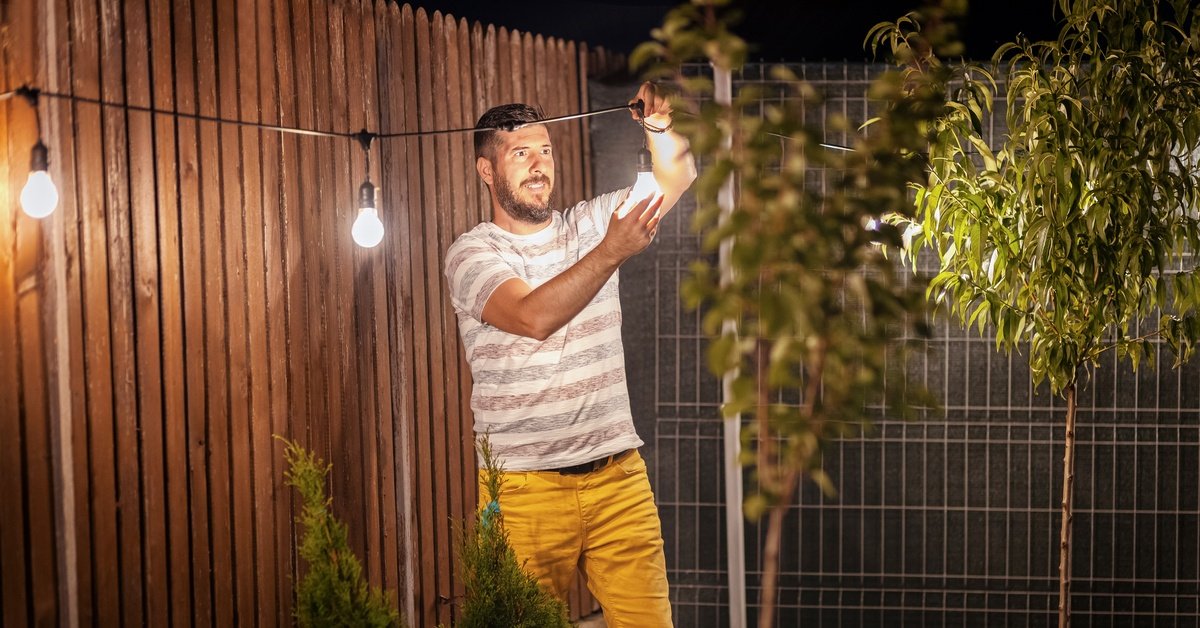
Lighting plays a crucial role in shaping both the function and atmosphere of an outdoor space. Well-placed lighting can extend its usability into the evening while creating a warm and welcoming environment.
Layering different types of lighting can also help homeowners achieve balance and depth. For instance, soft ambient lighting sets the overall mood, while focused lighting improves visibility in specific areas. Combining these elements ensures the space feels both practical and inviting.
However, after you’ve selected and purchased the right illumination, make sure you understand the factors that can affect it. For example, if you invest in environmentally friendly lights, take the time to research why the beam angle matters in outdoor solar spotlights. That will help you ensure that your new lights do their job more effectively on your property.
Add Personal and Cultural Touches
Outdoor decor becomes more meaningful when it reflects personal experiences. Handcrafted items or meaningful objects add depth and individuality. These elements turn a space into something unique rather than generic.
Subtle cultural influences can enrich the design. A patterned textile or decorative planter can act as a focal point. These details bring character without overwhelming the space.
Personal touches can create an emotional connection. Guests often notice these elements first. They make the space feel lived in and authentic.
Keep Color Palettes Cohesive
Color plays a powerful role in shaping mood. A cohesive palette ensures that the space feels intentional and calm. Neutral bases with subtle accents often work best for outdoor settings.
Drawing inspiration from natural tones helps anchor the design. Greens, browns, and soft blues create a grounded and timeless look. These combinations feel balanced and easy to maintain.
Consistency prevents visual clutter. Even bold colors can work when used sparingly. The goal is to create harmony across all elements.
Balance Functionality With Aesthetic Appeal
Outdoor spaces should look beautiful while remaining practical. Furniture placement, storage solutions, and accessibility all contribute to usability. A well-designed space supports everyday living.
Each element should serve both form and function. Decorative pieces can also provide storage or structure. This dual purpose enhances efficiency without sacrificing style.
Functionality strengthens the overall design. A thoughtful layout ensures ease of movement and comfort. This makes the space enjoyable over time.
Design for All Seasons
Outdoor areas benefit from adaptability across seasons. Shade structures, heaters, and weather-resistant decor extend usability. This flexibility ensures year-round enjoyment.
Seasonal adjustments keep the space comfortable and relevant. Swapping textiles or adding coverings can make a noticeable difference. These updates help maintain a consistent experience.
Planning for change enhances longevity. It ensures that outdoor areas remain an integral part of daily life. A well-prepared space invites use in any season.
Create a Welcoming Environment
Outdoor spaces hold the potential to reflect both personal style and thoughtful design when approached with intention. Careful choices in materials, layout, and decor create environments that feel welcoming and functional throughout the year. With a balanced approach, any outdoor area can become a natural extension of the home that supports both relaxation and everyday living.
Image credentials: DanRentea, 420417939