
A great road trip begins before the first scenic overlook, roadside diner, or vineyard stop. The most memorable drives leave room for spontaneity, but they also benefit from thoughtful planning. A little structure helps travelers enjoy the open road with fewer interruptions and more energy for the experiences that make the journey worthwhile.
For travelers, food lovers, and wine-country wanderers, preparation should feel less like a chore and more like the first chapter of the trip. From mapping meaningful stops to organizing snacks, playlists, wellness essentials, and vehicle checks, planning before the departure sets the tone for a smoother adventure. In this guide, we’ll explain what to know before you go and how to prepare for a road trip.
Choose a Route With Room To Explore
Start with a route that supports the kind of trip you want to take. A direct highway route works well when the destination matters most, but a scenic route can turn the drive into part of the vacation. Look for charming towns, historic districts, farmers’ markets, tasting rooms, regional restaurants, bookstores, gardens, and scenic overlooks that match the interests of everyone in the car.
Build in flexible timing rather than filling every hour. A road trip rewards curiosity, and some of the best discoveries come from an unplanned detour or a local recommendation. Before leaving, save your main route and at least one alternate route in a navigation app, especially when traveling through rural areas or mountain regions where service can vary.
Prepare the Vehicle Before Departure
An important thing to know before you go on a road trip is how to prepare your vehicle for the long haul. A beautiful route loses its charm quickly when the car needs attention mid-trip. The best way to prepare your vehicle for a road trip is to start with a full vehicle health check. This assessment should include the car’s fluids, tires, oil, belts, hoses, and everything else. Taking it in for a checkup from a professional mechanic will allow you to set out on your journey with peace of mind that your trusty steed can manage the trip.
Pack for Comfort, Not Clutter
Packing well does not mean filling every inch of the trunk. It means making the things you need easy to reach. Keep daily-use items in a small cabin bag: sunglasses, phone chargers, lip balm, hand wipes, tissues, medication, a sweater, reading glasses, and any documents needed for hotel check-ins or park reservations.
Place overnight bags, picnic gear, and specialty items in the trunk or cargo area in the order you expect to use them. This simple system keeps roadside stops relaxed and prevents the familiar scene of unpacking half the car to find one missing item.
Create a Small Roadside Kit
A roadside kit gives travelers peace of mind without taking over the car. AAA recommends stocking a roadside kit with items such as jumper cables, tools for changing a tire, reflective warning devices, a flashlight, first-aid supplies, water, and nonperishable snacks.
Add trip-specific comforts, such as a blanket for sunset viewpoints, a compact umbrella, reusable shopping bags, a picnic knife with a sheath, and a small trash bag. These small items support the lifestyle side of road travel, making scenic pullouts, market stops, and impromptu meals easier to enjoy.
Plan Food and Drinks With Intention
Road trip food can become part of the experience instead of an afterthought. Pack a balance of fresh, practical, and indulgent items: fruit, nuts, sandwiches, sparkling water, cheese sticks, crackers, dark chocolate, and local treats picked up along the way. A dedicated snack tote keeps the car tidy, while a cooler helps protect perishable foods.
Make the Cooler Work Smarter
Use separate containers for drinks and perishable foods when space allows. Travelers open the drink cooler more frequently, which lets cold air escape. Keeping meats, dairy, salads, and prepared meals in a second cooler helps them stay cool for longer.
Pack foods in sealed containers and place ice packs around the sides and top, not only at the bottom. Store the cooler away from direct sunlight, and move it into the hotel room at night when possible. This approach supports picnics, park lunches, and scenic meals without turning the car into a rolling kitchen.
Build Wellness Into the Drive
Long drives feel better when travelers care for their bodies along the way. Plan stretch breaks every few hours, drink water before you feel thirsty, and keep movement simple. A short walk around a rest area, a few shoulder rolls, and a gentle calf stretch can make the next leg more comfortable.
Wellness also includes sleep and pacing. Avoid planning the longest drive for the first day after a late night of packing. Give the first morning a calm rhythm with breakfast, coffee, and a final home check before departure.
Prepare for Connection Gaps
Digital tools simplify road trips, but travelers should prepare for moments without service. Download maps, hotel confirmations, restaurant reservations, park passes, and entertainment before departure.
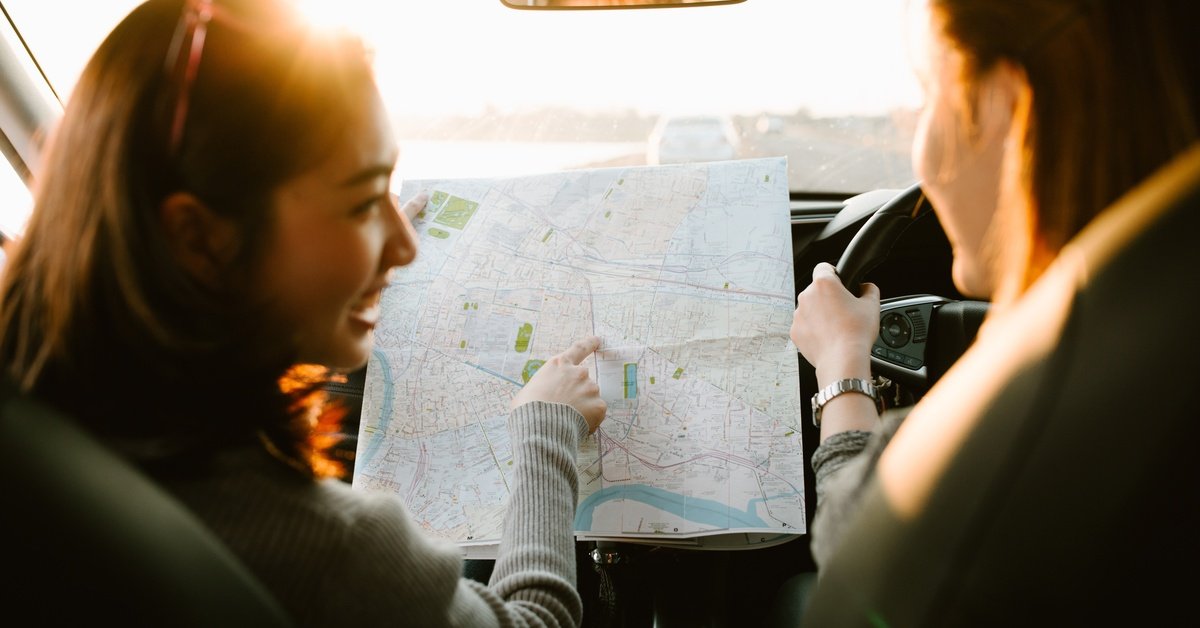
A paper map still has value, especially for scenic drives through national parks, rural wine regions, coastal routes, and mountain areas. It also helps travelers see the broader geography of the trip, which can inspire stops that a navigation app may not suggest.
Organize the Day Before You Leave
The day before departure should feel practical and calm. Fill the gas tank, charge devices, chill drinks, pack the cooler components, confirm accommodations, check the weather, and set out clothes for the first morning. Leave a little space in the car for souvenirs, market finds, wine purchases, books, or local pantry items.
Make Space for Local Flavor
A road trip becomes richer when travelers let each region speak. Choose local cafés instead of defaulting to the same chains you’re used to. Visit farm stands, bakeries, seafood shacks, taquerias, cheese shops, wineries, tea rooms, or supper clubs that reflect where you’re passing through.
Ask innkeepers, tasting-room staff, bookstore owners, and market vendors where they like to eat or take visiting friends. Their answers can lead to memorable meals and lesser-known stops that never appear on a generic itinerary.
Travel With Curiosity
Curiosity turns a drive into a story. Notice roadside architecture, regional produce, historic markers, landscape changes, music on local radio, and the way menus shift from county to county. Leave space in the schedule for a longer lunch, an unexpected overlook, or a shop that catches your eye.
Start the Journey Before You Start the Car
Thoughtful road trip preparation helps travelers feel ready, relaxed, and open to discovery. When the route, vehicle, food, comfort items, and daily rhythm all receive attention, the journey becomes more than a way to reach a destination. It becomes part of the pleasure of travel.
Before your next drive, choose the route, prepare the car, pack with care, and leave room for local flavor. Then start the engine, follow the road, and make the journey worth remembering.
Image Credentials: by unimine, #144722495