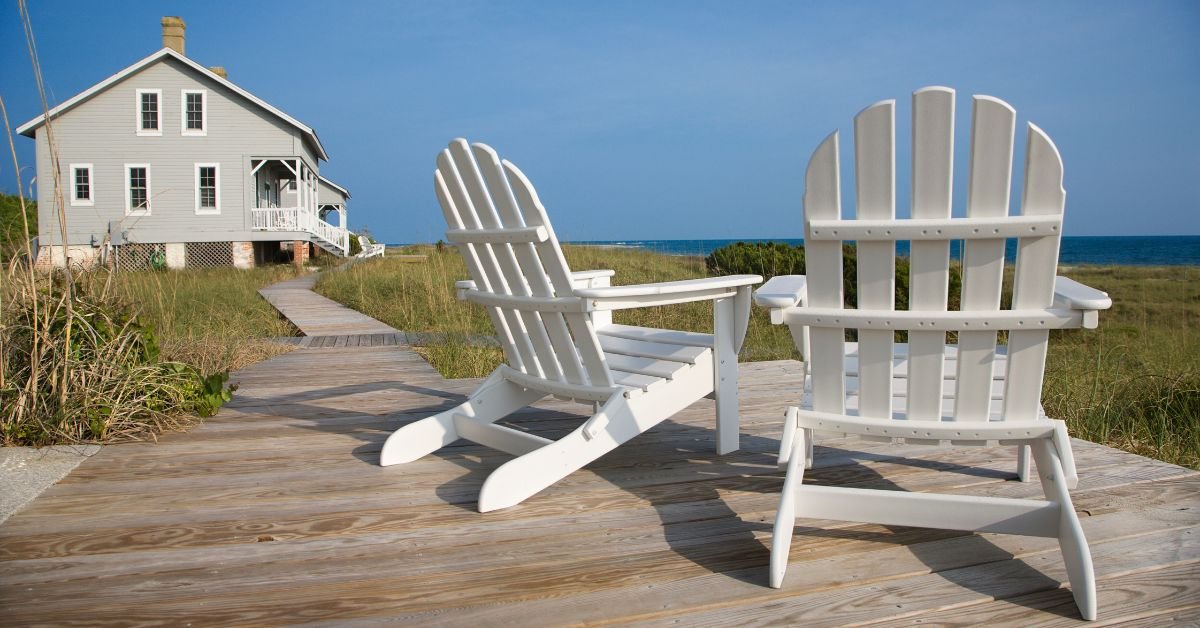
Living near the coast offers undeniable advantages. Ocean views, refreshing breezes, and easy access to beaches make coastal living appealing for many homeowners. However, saltwater environments also present unique challenges that can accelerate wear and tear on homes. Salt-laden air, high humidity, strong winds, and intense sunlight all contribute to faster deterioration of building materials and outdoor features.
For homeowners who want to preserve their investment, thoughtful improvements can make a significant difference. The key is selecting upgrades that are specifically designed to withstand coastal conditions while minimizing maintenance requirements. By focusing on durability and long-term performance, homeowners can enjoy the benefits of seaside living without facing constant repairs. Understanding which improvements offer the greatest protection is essential when planning smart upgrades for homes located near saltwater environments.
Prioritize Corrosion-Resistant Exterior Materials
One of the biggest threats to coastal homes is corrosion. Salt particles carried by the wind settle on surfaces and gradually break down materials that are not designed to resist them.
Traditional steel components, untreated metals, and lower-quality fasteners often deteriorate quickly in these conditions. Replacing vulnerable materials with corrosion-resistant alternatives can significantly extend the lifespan of exterior structures.
Stainless steel hardware, marine-grade fixtures, and powder-coated metals are all excellent choices for coastal properties. These materials are specifically engineered to withstand moisture and salt exposure, reducing the likelihood of rust and structural damage.
Even seemingly small upgrades such as replacing hinges, screws, and outdoor fixtures can help prevent costly repairs over time.
Invest in Durable Decking Solutions
Outdoor living spaces are among the most valuable features of coastal homes. Decks provide a place to relax, entertain guests, and enjoy scenic views. However, they also face constant exposure to moisture and salty air.
Traditional wood decking often requires frequent staining and repairs to remain in good condition. Many homeowners are turning to composite decking materials that offer greater resistance to weather-related damage.
Composite boards resist rot, warping, and insect damage while requiring significantly less maintenance than natural wood. Although the initial investment may be higher, the long-term savings in upkeep and replacement costs can make composite materials an attractive option.
When upgrading a deck, homeowners should also evaluate railings and support structures to ensure every component is suited for coastal conditions.
Upgrade Railings for Longevity
Railings play both a functional and aesthetic role in outdoor spaces. In coastal regions, choosing the right railing material is especially important because constant exposure to salt air can cause rapid deterioration.
Many homeowners are replacing traditional wood or untreated metal railings with aluminum systems designed for marine environments. Aluminum offers excellent resistance to corrosion while maintaining its appearance for years with minimal upkeep.
When evaluating outdoor renovation options, homeowners must consider why aluminum railings are ideal for coastal homes. Because railings are highly visible architectural features, selecting a low-maintenance option can improve both curb appeal and long-term value.
Install Impact-Resistant Windows and Doors
Coastal properties are often exposed to severe storms, high winds, and airborne debris. Standard windows and doors may not provide adequate protection during extreme weather events.
Impact-resistant windows and doors offer several advantages beyond storm protection. They help improve energy efficiency, reduce noise transmission, and enhance home security.
These products are engineered with reinforced frames and specialized glass that can withstand substantial impacts. In many coastal regions, installing impact-rated products may also help homeowners qualify for insurance discounts.
Although this upgrade requires a significant investment, the added protection and peace of mind often justify the expense.
Improve Exterior Paint and Coating Systems
Many homeowners underestimate the importance of high-quality exterior coatings in coastal environments. Salt air and ultraviolet exposure can cause paint to fade, peel, and deteriorate more quickly than in inland locations.
Modern coastal-grade paints and protective coatings are designed to withstand harsh environmental conditions while maintaining their appearance for longer periods.
Choosing products specifically formulated for coastal applications can help protect siding, trim, fences, and other exposed surfaces. These coatings create an additional barrier against moisture intrusion while reducing the frequency of repainting projects.
Investing in superior finishes may increase upfront costs, but it often results in lower maintenance expenses over the life of the home.
Enhance Drainage Around the Property
Water management is critical for any home, but it becomes even more important in coastal areas where heavy rainfall and storm surges can occur.
Poor drainage can lead to foundation issues, soil erosion, and moisture-related damage. Upgrading drainage systems helps protect both the structure and surrounding landscape.
Effective improvements may include:
- Installing French drains
- Extending downspouts away from the foundation
- Regrading landscaping to direct water flow
- Adding permeable hardscape materials
These measures help reduce standing water and minimize the risk of long-term structural damage.
Upgrade Outdoor Lighting Systems
Outdoor lighting contributes to safety, security, and curb appeal. However, many lighting fixtures are not designed to withstand the harsh conditions found near saltwater.
Corrosion-resistant fixtures made from marine-grade materials can significantly improve longevity. LED technology also offers advantages for coastal homeowners by reducing maintenance requirements and energy consumption.
Modern lighting systems can highlight architectural features, improve visibility along pathways, and create welcoming outdoor gathering spaces while standing up to coastal weather.
Choosing fixtures specifically rated for coastal use helps ensure reliable performance year after year.
Incorporate Low-Maintenance Landscaping
Landscaping choices can have a significant impact on long-term maintenance demands. Many traditional plants struggle in coastal environments due to salt exposure and sandy soils.
Selecting salt-tolerant vegetation can reduce watering requirements and improve overall landscape resilience.
Native coastal plants often provide the best results because they have naturally adapted to local conditions. These species generally require less maintenance while contributing to environmental sustainability.
Homeowners can also incorporate hardscape features such as stone pathways, decorative gravel, and retaining walls to reduce ongoing landscape maintenance.
Focus on Energy Efficiency
Coastal homes often experience intense sunlight and fluctuating temperatures throughout the year. Energy-efficient upgrades can improve comfort while reducing utility expenses.
Popular improvements include enhanced insulation, energy-efficient windows, reflective roofing materials, and smart climate-control systems.
These upgrades not only lower operating costs but also reduce strain on HVAC equipment. Over time, the resulting savings can offset much of the initial investment.
Energy efficiency improvements also tend to increase property appeal among future buyers who value lower utility costs and sustainable design features.
Planning for Long-Term Success
Coastal living presents unique opportunities and challenges. While the environment can be demanding on homes, strategic improvements help reduce maintenance, improve durability, and protect property value.
The most successful renovation projects focus on materials and systems specifically designed to perform in harsh coastal conditions. Whether upgrading railings, roofing, drainage systems, or outdoor living spaces, selecting products that resist corrosion and moisture damage is essential.
By prioritizing smart upgrades for homes located near saltwater environments, homeowners can create properties that remain beautiful, functional, and resilient for years to come. Thoughtful investments today can lead to fewer repairs, lower maintenance costs, and greater enjoyment of coastal living in the future.
Image Credentials: by iofoto, 20447622