
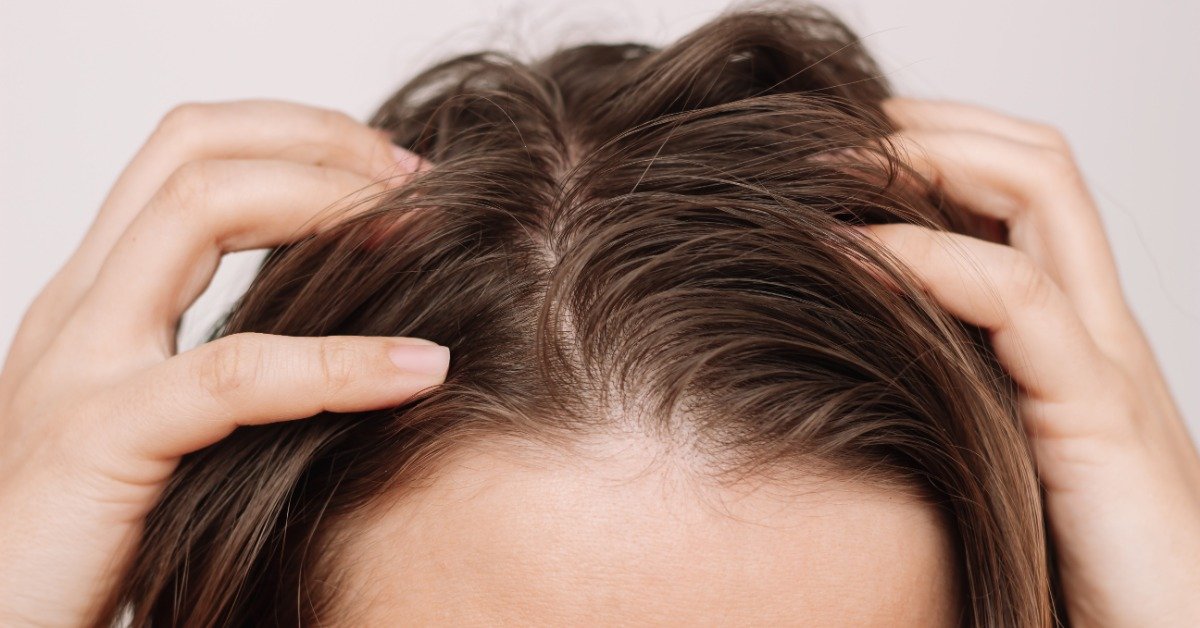
Flat hair can make an otherwise polished style feel unfinished. You may wash your hair, apply your favorite products, and spend time styling, only to watch the volume disappear within an hour. The problem often stems from everyday habits that weigh hair down or prevent the roots from lifting in the first place.
Small changes can make a noticeable difference. The way you wash, dry, brush, and finish your hair all affect how much volume you achieve. Once you identify the habits that flatten your style, you can adjust your routine to give your hair more movement without complicating the process. Check out the common hair styling mistakes that cause flatness.
Using Too Much Conditioner
Conditioner helps keep hair soft and manageable, but too much can leave strands heavy. When you apply a rich conditioner from roots to ends, it can coat hair near your scalp and reduce lift.
Focus conditioner on the midlengths and ends instead. Those areas usually need the most moisture, especially if you use heat tools or color your hair. Keep heavier formulas away from your roots unless your hair feels especially dry there.
You can also try lighter conditioners if your hair tends to fall flat. Fine or straight hair often responds better to formulas that add softness without leaving a heavy residue.
Rinse thoroughly before you leave the shower. Leftover conditioner can leave freshly washed hair feeling limp before you even start styling.
Applying Too Much Styling Product
More product doesn’t always create better results. Heavy creams, oils, serums, and gels can make hair look smooth, but they can also pull volume out of the style.
Start with a small amount and add more only when you need it. Pay attention to where you place each product. Apply smoothing products near the ends instead of concentrating them close to the scalp.
Root-lifting sprays and lightweight mousses can work better when volume is your main goal. Spread them evenly rather than soaking one section.
Product buildup can also cause flatness over time. If your hair feels heavy even after washing, you may need to use a clarifying shampoo occasionally. Follow the product directions and avoid overusing it, since excessive cleansing can leave hair feeling dry.
Brushing Hair Too Much
Brushing can smooth your hair, but constant brushing can remove the texture that supports volume. Each pass can pull strands closer together and flatten the shape you created.
Brush gently before styling to remove tangles. Once you start building volume, use your fingers or a wide-tooth comb when possible. Those tools can separate strands without compressing your style as much.
You should also pay attention to your brush size. A very large round brush can create smoothness, but it may not give shorter sections enough lift. A slightly smaller brush can help you create more bend at the roots.
Think about your finished look before choosing a brush. Smooth hair and voluminous hair require different techniques.
Drying Hair in the Wrong Direction
The way you dry your roots plays a major role in the final shape. When you direct the airflow straight down from the beginning, you can encourage hair to lie close to the scalp.
Instead, lift sections away from the head as you dry. You can also flip your hair to the opposite side of your natural part while working on the roots. When you move the hair back into place, the roots often retain more lift.
You can also use a blow dryer to add volume by directing airflow under the root area while supporting the hair with a round brush. Focus on lifting each section rather than pulling it straight down.
Keep the dryer moving so you don’t concentrate heat in one spot. Finish the roots before you spend too much time smoothing the ends.
Styling Hair While It’s Too Wet
Trying to shape soaking-wet hair can waste time and reduce volume. Hair carries more weight when it holds excess water, and that extra weight can make lifting the roots difficult.
Gently remove water with a towel before you begin. Avoid rough rubbing, which can create frizz and unnecessary tangles.
Let your hair air-dry slightly or use your blow dryer until it reaches a damp stage. Then start working with your brush and styling products.
This approach also helps you spend less time applying direct heat. You can focus your styling efforts once the hair becomes easier to control.
Ignoring the Roots
Many people focus most of their attention on the ends because that’s where curls, flips, and smooth finishes appear. However, volume starts at the roots. If the roots sit flat against the scalp, the rest of the style often looks flat too.
Spend extra time lifting the root area during drying. Work in smaller sections when necessary. Large sections can make it harder to create tension and shape close to the scalp.
You can also change your part after styling. Moving the part slightly to one side can create instant lift because the hair falls in a direction it doesn’t normally follow.
Using the Wrong Heat Setting
High heat may seem like the fastest way to style hair, but more heat doesn’t automatically create more volume. Excessive heat can dry the hair too quickly or make it difficult to maintain the shape you want.
Choose a heat setting that suits your hair type. Fine hair usually needs less heat than thick or coarse hair.
When you use a round brush, focus on controlled airflow rather than maximum temperature. Shape the section with your brush while the heat helps set it.
You can finish each section with a cool shot if your dryer includes that feature. The cooler air can help the hair hold the shape you created before you release the brush.
Flattening Hair With Your Hands
Touching your hair throughout the day can gradually remove volume. Fingers transfer oils from the skin to the hair, especially around the crown and hairline. Repeatedly smoothing the roots can also press them closer to the scalp.
Try to leave your style alone once you finish it. If you need to adjust, use your fingertips to lift from underneath rather than pressing down from the top.
You can also carry a small comb or lightweight texturizing product for touch-ups. A targeted adjustment usually works better than constantly rearranging the entire style.
Overloading the Ends
Heavy ends can pull the rest of the hairstyle down. This issue becomes more noticeable when hair grows long or when you apply too much oil near the bottom.
Use finishing products sparingly. A small amount can control frizz and add shine without making the ends feel greasy.
Your haircut can also affect volume. Layers can remove excess weight and create movement, depending on your hair type and preferred style. Talk with your stylist about how much shape you want before making a major change.
The goal should involve balance. You want enough weight to create a polished shape without pulling the roots flat.
Skipping the Finishing Step
Volume can disappear quickly if you don’t give the style time to set. After drying a section, let it cool in the shape you want before brushing through it. If you use rollers, clips, or a round brush, keep the hair lifted for a short period while it cools.
Finish with a lightweight hairspray if you need extra hold. Avoid spraying so much that the hair becomes stiff or heavy.
You can also use a small amount of dry texture spray at the roots. Apply it where you need lift instead of coating the entire head.
Give Your Hair More Lift
Avoiding the above common hair styling mistakes can help you achieve better hair days. Heavy products, poor drying techniques, and too much smoothing can all pull your style down.
Focus on the roots, use lighter products, and pay attention to how you direct your hair while drying. Small changes to your routine can help you create a fuller look without adding extra styling time.
You don’t need to overhaul every step at once. Start with one or two adjustments and see how your hair responds. Once you find the techniques that work best for your texture, maintaining volume becomes much easier.
Image Credentials: Марина Демешко, # 680659312