
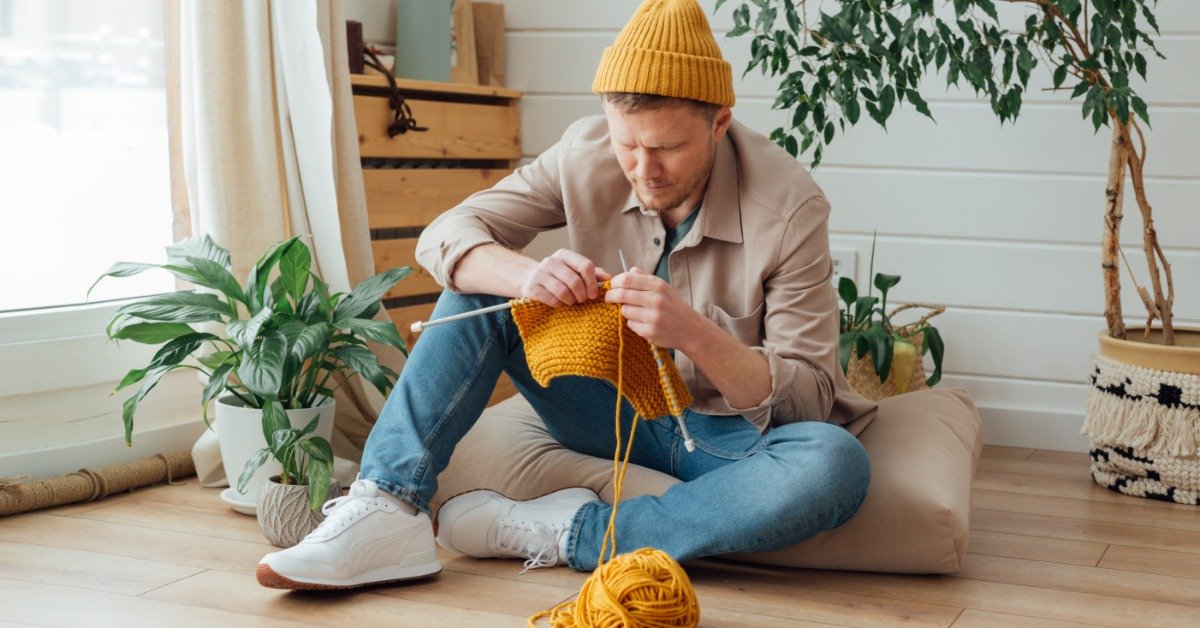
Starting a new hobby sounds exciting until you actually try to figure out where to begin. Maybe you’ve always wanted to learn photography, try woodworking, or get better at cooking. Whatever interests you, taking that first step can feel surprisingly intimidating. You might worry about spending too much money, lacking natural talent, or losing interest after a few weeks. Fortunately, starting a hobby doesn’t require expensive equipment or exceptional skills. You just need a realistic approach and some willingness to experiment. If you’re ready to make room for something enjoyable in your routine, here’s how to actually get started on a new hobby.
Figure Out What Actually Interests You
Before purchasing supplies or signing up for classes, spend some time thinking about what genuinely interests you. A hobby should provide enjoyment rather than become another obligation on your schedule.
Consider activities that you’ve wanted to try but never pursued. Maybe you enjoy working with your hands or prefer something that challenges your creativity. Think about how you naturally spend your free time.
Don’t choose a hobby simply because other people enjoy it. Something that looks exciting on social media might not suit your personality or lifestyle.
Instead, focus on activities that match your interests and give you something enjoyable to anticipate.
Consider Your Available Free Time
Some hobbies require considerably more time than others. Learning an instrument might involve regular practice, while collecting interesting objects could fit into occasional weekend outings.
Think realistically about your schedule before committing to something new. If you already struggle to find free time, choosing an activity that requires several hours every day could create unnecessary frustration.
Start with something that fits comfortably into your existing routine. You can always increase your commitment as your interest develops.
Remember that even fifteen or twenty minutes of regular practice can help you make meaningful progress.
Research the Basics Before Spending Money
Once you’ve identified an interesting hobby, take some time to understand what participation actually involves.
Online tutorials, beginner articles, and instructional videos can provide useful introductions. Look for resources that explain fundamental techniques without assuming previous experience.
Pay particular attention to learning hobby terminology because unfamiliar language can make beginner resources unnecessarily confusing. Understanding common terms helps you follow instructions and communicate with experienced enthusiasts.
However, avoid spending weeks researching without actually trying anything. Research should prepare you for your first attempt, not replace the experience itself.
Set a reasonable research deadline and move forward once you understand the essentials.
Establish a Reasonable Starting Budget
Starting something new doesn’t mean you need professional equipment immediately. In fact, purchasing expensive supplies before understanding your preferences often leads to unnecessary spending.
Create a basic budget that reflects your financial situation and the hobby’s initial requirements.
Consider these potential expenses:
- Essential equipment: Purchase only the tools or materials you need for beginner activities.
- Instructional resources: Explore free tutorials before paying for specialized courses.
- Membership fees: Research whether local clubs charge participation fees.
- Replacement supplies: Account for materials that you’ll regularly consume during practice.
- Storage needs: Consider where you’ll keep equipment between sessions.
You can upgrade your supplies once you understand which features genuinely improve your experience.
Start With Beginner-Friendly Equipment
Expensive equipment rarely compensates for limited experience. Beginners usually benefit more from straightforward tools that allow them to practice fundamental skills.
For example, someone interested in photography can start with a smartphone rather than purchasing an expensive camera. Someone exploring painting can experiment with affordable starter supplies.
Look for equipment that offers reasonable quality without overwhelming you with complicated features.
Reading beginner reviews can help you identify worthwhile purchases. You might also borrow equipment from friends or explore rental options before making a financial commitment.
Your first purchases should make participation easier rather than create additional complications.
Find a Simple First Project
One common mistake beginners make involves choosing projects that exceed their current abilities.
Ambitious goals can provide motivation, but complicated projects often introduce frustration before you’ve developed essential skills. Instead, choose something small that you can reasonably finish.
If you’re interested in woodworking, consider making a basic shelf. If you want to explore gardening, start with a few manageable plants.
Completing a simple project provides practical experience and helps you understand what the hobby involves. You’ll also gain confidence from seeing tangible results, even when your first attempt isn’t perfect.
Make Room for Regular Practice
Consistency matters more than occasional bursts of enthusiasm when developing a new skill.
You don’t necessarily need a strict schedule, but setting aside dedicated time helps establish a routine.
Consider reserving thirty minutes after work or spending part of your weekend exploring your new interest.
Choose a schedule that feels manageable rather than demanding. Your hobby should provide an enjoyable break from everyday responsibilities.
If you miss a practice session, simply return when you have time. Maintaining a flexible attitude makes long-term participation considerably easier.
Accept That You’ll Make Beginner Mistakes
Nobody starts a new hobby with complete knowledge or perfect technique. Mistakes naturally accompany the learning process.
You might struggle with basic movements, misunderstand instructions, or produce disappointing results during your first attempts.
Instead of treating these experiences as failures, consider what they reveal about your current abilities.
Identify one specific improvement you can make during your next session.
Avoid comparing your early progress with experienced enthusiasts who have spent years developing their skills.
Their accomplishments can provide inspiration, but they shouldn’t determine how you evaluate your own progress.
Connect With Other People Who Share Your Interest
Participating in a hobby doesn’t have to mean working alone.
Local clubs and online communities can introduce you to people who share your interests. Experienced participants often provide useful advice about beginner challenges and equipment choices.
Community involvement also creates opportunities to discover activities you might not encounter independently.
For example, joining a local photography group could introduce you to organized outings or practical workshops.
Don’t worry about having limited experience when joining these communities. Many hobby groups welcome beginners and encourage questions.
Look for welcoming environments where people support learning rather than competition.
Track Your Progress Without Creating Pressure
Recording your progress can help you recognize improvements that might otherwise go unnoticed.
Consider keeping a simple journal or taking photographs of completed projects. You could also record how long you practice particular techniques.
Reviewing earlier attempts allows you to appreciate how your abilities develop. However, avoid turning every activity into a performance measurement.
You don’t need constant improvement to justify spending time on something enjoyable.
Sometimes the greatest benefit comes from relaxing and participating without worrying about measurable results.
Give Yourself Permission To Experiment
Your first hobby choice doesn’t have to become a lifelong commitment.
You might discover that an activity feels less enjoyable than you originally expected. That’s perfectly reasonable.
Try different approaches before deciding whether something suits you. For instance, someone interested in crafting might prefer sewing over knitting.
Experimentation helps you understand your preferences without requiring major commitments.
You can also explore several inexpensive activities before concentrating on one.
Remember that discovering what you dislike can prove just as useful as identifying something you genuinely enjoy.
Keep Enjoyment at the Center of Everything
As your abilities improve, you might feel tempted to pursue increasingly demanding goals.
Challenges can make hobbies rewarding, but constant pressure can gradually eliminate the enjoyment that attracted you initially.
Check in with yourself occasionally and consider whether your activity still feels satisfying. You don’t need to monetize your skills or compete with other enthusiasts.
Sometimes spending an afternoon practicing something simply because you enjoy it provides enough satisfaction.
Take the First Step Today
The biggest obstacle to starting a new hobby often involves waiting for ideal circumstances.
You might convince yourself that you need better equipment or more available time before beginning. However, meaningful progress starts with taking action rather than preparing indefinitely.
Choose one manageable activity you can attempt this week. Gather basic supplies, find a beginner resource, and dedicate a little time to experimenting. You don’t need immediate success or a detailed long-term plan.
Starting small gives you an opportunity to discover what you enjoy while gradually developing confidence.
Ultimately, the best hobby is one that makes your free time more enjoyable. Give yourself permission to be inexperienced, stay curious, and appreciate the process of trying something new.
Image Credentials: By lizaelesina, File 491813699