
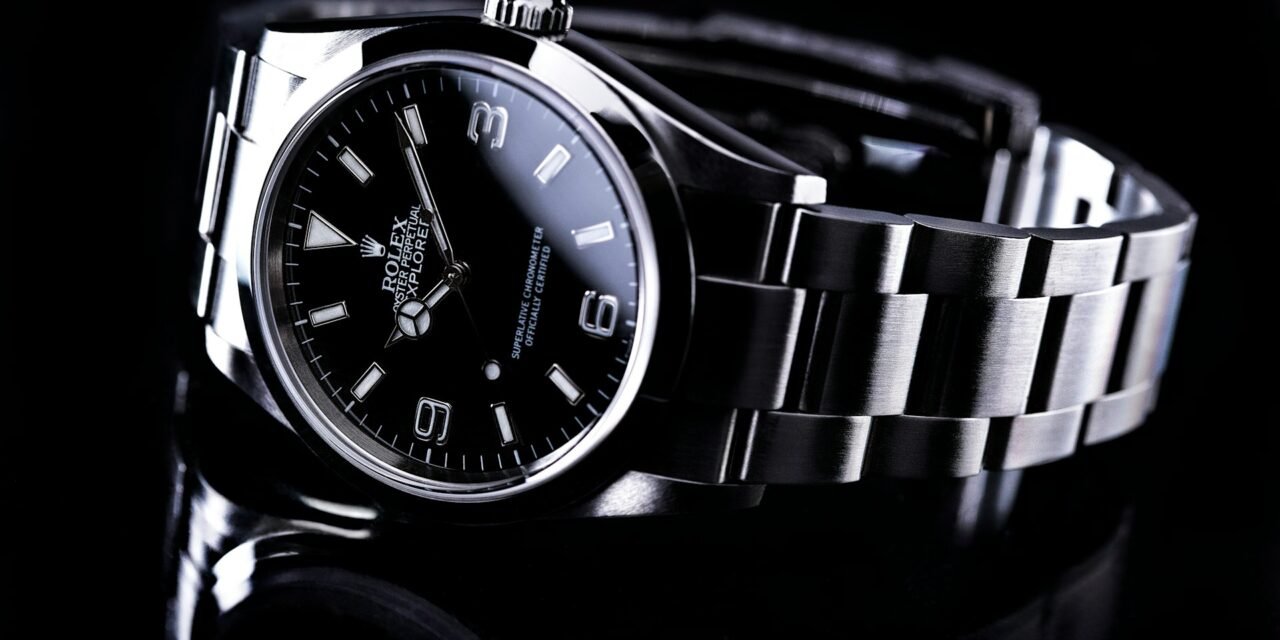
The festive period sees a sharp rise in jewellery and watch purchases, with one in three reportedly treating their partners and loved ones. However, Christmas gift-giving combined with travel makes people more vulnerable than ever to loss, theft, and damage.
Whether you’re flying abroad, taking the train to see relatives, or driving across the country for Christmas dinner, carrying valuable jewellery poses significant risks that many travellers overlook. A VIP SKI / VIP Chalets survey reveals that jewellery is the most mislaid valuable when travelling, with 16% of those who lost something reporting it was jewellery. Even more concerning, when fine jewellery is lost or stolen abroad, only 1% is ever retrieved.
Add in the chaos of festive travel, bustling airports, packed trains, busy motorway services, and crowded gatherings and the risk multiplies. With that in mind, the luxury goods experts at Dawsons Auctioneers are sharing six essential tips to protect luxury jewellery and watches during Christmas travel.
Luxury jewellery experts share six tips for secure travel this Christmas
1. Keep valuables secure and on your person
Whether travelling by plane, train, or car, never let valuable jewellery out of your sight.
If you’re flying, always keep valuables in hand luggage: most airlines won’t cover loss from checked bags, plus it will avoid the bumpy journey. Industry data suggests that around 90,000 bags are mishandled worldwide every day—you don’t want your jewellery to be in one of them.
On trains, keep bags close and avoid leaving them in overhead racks. In the car, never leave jewellery visible in a parked vehicle, even at motorway services. Store items in an easy-to-locate, secure container that you can keep with you at all times.
2. Pack precisely – Or fake it
Some pieces simply aren’t worth the risk. Whether you’re flying, taking the train, or driving to visit family, consider leaving your most valuable or sentimental items safely at home. ‘Travel jewellery’, affordable lookalike pieces made from cheaper materials, is becoming increasingly more common; especially for engagement rings, opting to leave their diamonds at home in the safe.
Plan your jewellery around your outfits before you pack, so you only bring what you’ll actually wear. Fewer pieces mean less to keep track of, and the festive season is prime time for opportunistic theft.
3. Pack smart: Separate pieces to prevent damage and loss
Throwing jewellery loose into a bag is asking for trouble. Pieces can scratch each other, clasps can break, and tangled items take longer to sort through, increasing your risk of leaving something behind.
“Use individual pouches or a travel jewellery case with proper compartments,” advises Jonathan Pratt, Managing Director at Dawsons Auctioneers and BBC antiques expert. “This protects delicate settings and chains from damage and knotting and means you can quickly account for every piece when packing up to leave. The more organised you are, the less likely you are to forget or lose something valuable.”
4. Check your insurance coverage
Most travel insurance policies include baggage coverage, but jewellery is typically subject to strict per-item limits and a maximum cap, whether you’re travelling internationally or just visiting family across the country.
“Many travellers assume their jewellery is automatically covered, but that’s rarely the case for higher-value pieces” explains Pratt.
“Insurers typically expect you to provide proof of value – receipts or professional valuations – and some policies only cover jewellery when it’s kept in a hotel or home safe when not worn. Critically, losses due to “unattended” or negligently stored items (such as valuables left in a car or in an open cloakroom) are often excluded entirely.”
If your jewellery is insured separately at home, check whether that coverage extends when you travel.
5. Beware of the cold: Fingers and wrists shrink
Winter weather poses a unique risk for anyone travelling or spending time outdoors during the festive season: cold temperatures cause fingers and wrists to shrink, making rings slip off and bracelets loosen.
“If possible, put your wrist pieces on a smaller link before travelling, and avoid wearing rings in freezing conditions,” advises Pratt. “A loose ring at a Christmas market, on a frosty train platform, or during a winter walk with family is a recipe for disaster. Equally, hot holidays can also pose problems; beaches are the top location for jewellery loss. This can happen with greasy hands covered in sun cream and swimming in the cold water, you don’t want to lose your wedding ring on your honeymoon!”
6. Research theft rates and avoid risky situations
Criminals target crowded areas during the festive season, whether that’s busy shopping districts, packed trains, motorway service stations, or even bustling family gatherings.
“Research the theft rate of your destination and avoid wearing valuable jewellery to known tourist hotspots or crowded public spaces,” says Pratt. “If you’re staying with family, ask about using a safe for peace of mind, and If you’re in a hotel, always use the in-room safe; hotel rooms are common sites for jewellery theft.”
Popular Christmas markets, train stations, and even cloakrooms where coats are piled in create opportunities for theft – so avoid leaving anything of value in pockets.
What to do if the worst happens
If jewellery is lost or stolen while travelling:
Report it immediately to local police and obtain a crime reference number
Notify your insurer as soon as possible, as delays can weaken or invalidate claims
Contact the transport provider if items were lost on a train, plane, or in a taxi
Alert your host if items went missing from a family member’s or friend’s home.
Jonathan Pratt, Managing Director at Dawsons Auctioneers, also warns travellers about purchasing counterfeit valuables abroad or at festive markets:
“With many winter holiday destinations and Christmas markets having looser restrictions on the sale of counterfeit items, don’t let the convincing appearance of fakes fool you. Not only are they of poorer quality and function, but they can also contain harmful materials like nickel, cadmium, and lead; controlled metals in the UK due to their toxicity. Plus, the fine for counterfeit items can be eye-watering if detected at customs.”
Feature Photo by Carlos Esteves on Unsplash