Embracing minimalism is more than just an interior design choice; it’s a lifestyle that promotes clarity, intention, and peace within your home. By thoughtfully curating your environment, you can reduce distractions and create a sanctuary that genuinely supports your well-being.
This process involves more than just decluttering; it requires a mindful approach to how you use and perceive your home. Review these essential tips for creating a minimalist living space.
Adopt the One-In, One-Out Rule
One of the foundational habits of maintaining a minimalist home is controlling the flow of new items. The one-in, one-out rule is a simple yet powerful strategy to prevent clutter from accumulating over time.
Whenever you bring a new item into your home, you must choose a similar item to either donate, sell, or discard. This practice forces you to evaluate each new purchase critically and consider whether it is a genuine need or a fleeting want.
For example, if you buy a new pair of shoes, you must select an old pair to remove from your closet. You can apply this principle to everything from clothing and books to kitchen gadgets and home decor. It creates a system of balance, ensuring that your possessions do not multiply and overwhelm your carefully curated space.
Start with a Single Room
The idea of transforming your entire home into a minimalist haven can feel overwhelming. To avoid burnout, it is best to start small. Choose one room, such as a guest bedroom or home office, and focus all your energy on decluttering and organizing that single area.
This approach allows you to experience the rewarding feeling of completing a project, which motivates you to continue. Breaking down the larger goal into manageable tasks makes the process feel more achievable. As you work through the room, sort each item into one of the following categories: keep, donate, sell, or discard.
Be honest with yourself about what you truly need and use. Once you have successfully simplified one room, you can move on to the next, using the momentum and lessons learned to guide your efforts throughout the rest of your home.
Make The Move to Digital
Paper clutter is one of the most persistent challenges in any household. Mail, bills, old documents, and magazines can quickly pile up, creating visual chaos. A highly effective way to combat this is to digitize as much as possible. Invest in a quality scanner or use a smartphone app to create digital copies of important papers, receipts, and photos. Once scanned and securely backed up, you can shred and recycle the physical copies.
This same principle applies to media. Shelves filled with DVDs, CDs, and books can consume a significant amount of space. Consider transitioning to digital streaming services for movies and music.
For your book collection, an e-reader gives you access to thousands of titles without taking up any physical space. Digitizing your life clears space and makes information and entertainment more accessible and organized.
Embrace a Neutral Color Palette
Another tip for creating a minimalist living space is to incorporate a neutral color palette in your home. Color plays a crucial role in shaping a room’s atmosphere. Minimalist design often favors a neutral color palette to create a sense of calm and spaciousness.
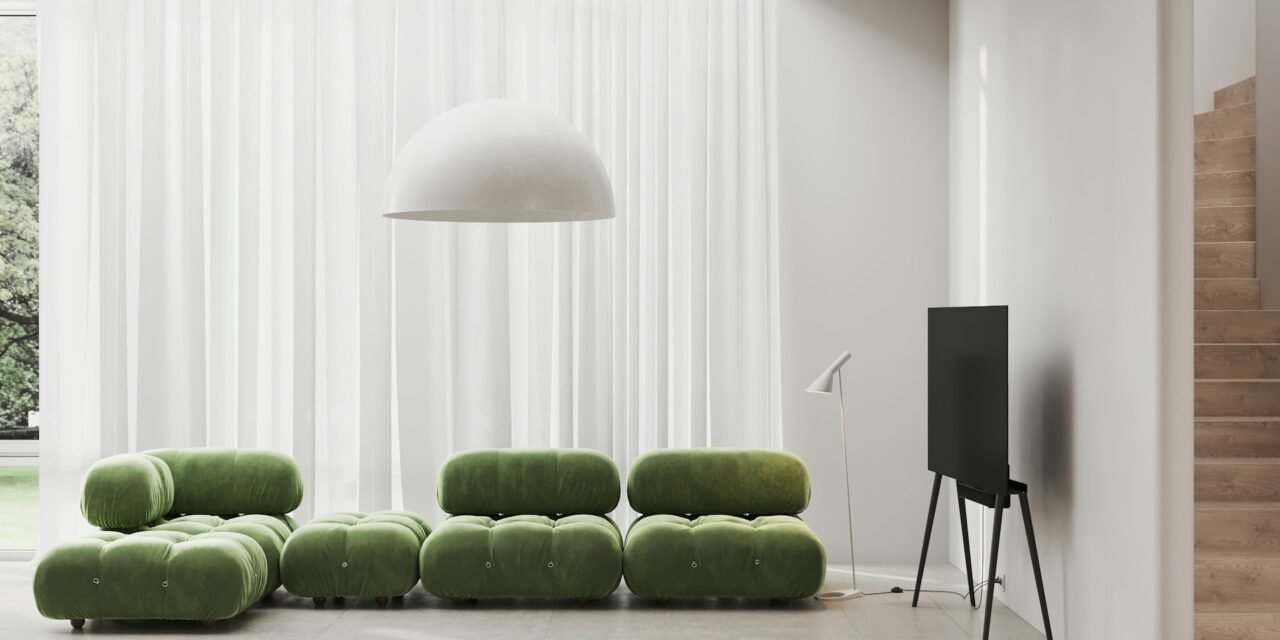
Shades of white, beige, gray, and soft earth tones provide a serene backdrop that lets the architectural details and furnishings you choose for your home stand out. These colors reflect light, making rooms feel brighter and more open. However, using a restrained palette does not mean your home has to be boring.
You can introduce visual interest through varying textures and materials. A chunky knit blanket, a smooth wooden coffee table, or a linen curtain can add depth and warmth to a neutral space. This approach ensures the environment remains visually calm and uncluttered while still feeling inviting and personal.
Invest in Multifunctional Furniture
In a minimalist home, every piece of furniture should serve a purpose, and ideally, more than one. Multifunctional furniture is a cornerstone of innovative, space-saving design. Look for items that combine form and function, such as an ottoman with hidden storage, a coffee table that lifts to become a workspace, or a bed frame with built-in drawers underneath.
Choosing furniture that works harder for you reduces the total number of items you need, which is a key goal of minimalism. This strategy is especially beneficial for those living in smaller homes or apartments where every square foot counts. By selecting versatile, practical pieces, you can maintain a clean, open layout without sacrificing the functionality you need for daily life.
Add Features That Make Life Easier
A minimalist home should be as functional as it is beautiful. Integrating features that streamline daily routines can enhance the sense of ease and simplicity. This means choosing elements that reduce effort.
For example, consider installing push-to-open drawer slides that allow you to access contents with a simple touch. Or you can try installing innovative lighting systems that let you control brightness, color, and schedules with ease, creating the perfect ambiance for any moment. Embracing such innovations allows you to simplify daily life and complement your minimalist aesthetic.
Let Natural Light Be a Focal Point
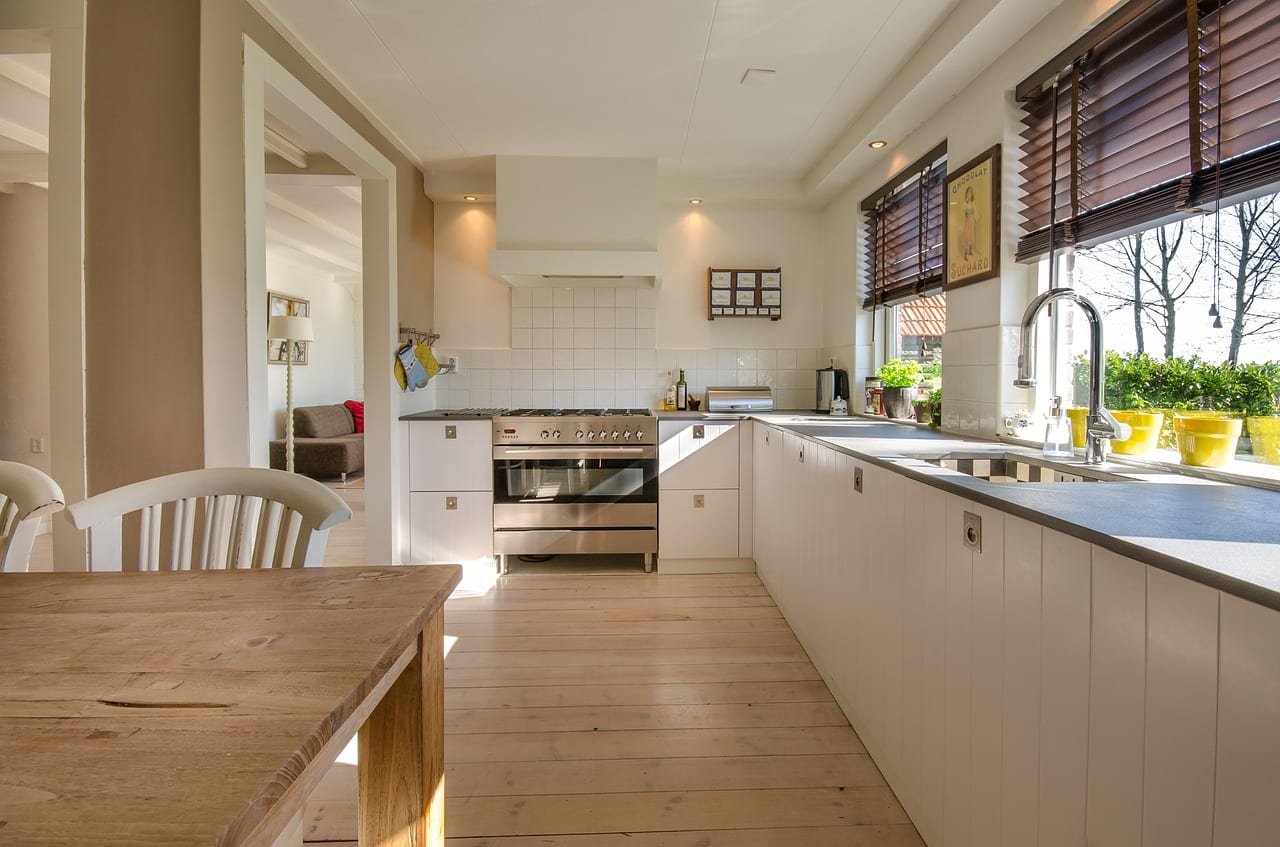
Natural light is a powerful design element that can make any space feel larger, cleaner, and more inviting. To maximize its impact, keep window treatments simple and unobtrusive. Opt for sheer curtains, simple blinds, or leave windows bare if privacy is not a concern.
Strategically place mirrors on walls opposite windows to reflect light and create the illusion of more space. Keep windowsills clear of clutter to maintain an unobstructed view and a clean line. By prioritizing natural light in your design, you connect your indoor space to the outdoors and harness a natural resource that enhances both the look and feel of your home.
Create Negative Space
In minimalist design, people refer to empty space as “negative space.” However, it is just as important as the objects within it. This is the area around and between your furniture and decor.
Allowing for ample negative space gives each item room to breathe, emphasizing its form and function. It prevents a room from feeling crowded and enables the eye to rest, fostering a sense of tranquility.
Resist the urge to fill every empty corner or cover every bare wall. Be intentional about where you place furniture, leaving clear pathways and open areas. A room with fewer items, each thoughtfully selected and placed, will feel more sophisticated and composed than a room packed with possessions. Appreciating and creating negative space is key to achieving a truly serene and minimalist environment.
Creating a home that feels both clean and calm is achievable. By adopting these principles, you can transform your living areas into a streamlined sanctuary that fosters a more intentional, peaceful way of life. The journey toward a minimalist home is a rewarding one that brings lasting benefits far beyond simple tidiness.
Feature Photo by JALG TV Stand on Unsplash