Inherited jewelry carries more than sparkle. It holds family stories, personal memories, and tiny details that connect one generation to the next. Still, not every piece fits your style, your routine, or your current wardrobe. A ring may feel too formal, a brooch may sit untouched, or a necklace may need repairs before you can wear it with confidence.
You don’t have to leave inherited jewelry tucked away in a drawer just because it doesn’t suit you right now. With a little creativity, you can honor its history while giving it a fresh role in your life. Repurposing lets you preserve the emotional value while making the piece feel personal, wearable, and useful again. Use these ideas to help you decide how to repurpose the jewelry that you inherit.
Start With the Story
Before you change anything, take time to understand what the jewelry means to your family. Ask relatives where the piece came from, who wore it, and when. You may discover that a ring marked a milestone anniversary, a pendant came from a special trip, or a bracelet belonged to someone whose style you admire.
That story can shape your choices. You might retain a small design detail, preserve an engraving, or set the original stones in a new setting. When you understand the history, you can make changes with care rather than guessing.
You should also photograph each piece before any work begins. These photos help you remember the original design and provide a record to share with future family members. Even if you transform the jewelry later, the original piece still has a place in the family story.
Clean and Inspect Each Piece
Inherited jewelry often needs a closer look before you decide what to do with it. Clasps loosen, prongs wear down, and chains weaken over time. A jeweler can inspect each piece, explain what needs repair, what has value, and which design options make sense.
Cleaning can also change your opinion. A dull stone may shine again after professional care, and a tarnished metal piece may reveal beautiful detail. You may find that a necklace only needs a new clasp or that a ring feels more appealing after polishing.
This step also helps prevent you from losing stones or damaging delicate parts. If you plan to wear the piece as is, a jeweler can tighten stones, resize rings, and repair worn areas before you add it to your rotation.
Reset Stones Into New Jewelry
One of the most popular ways to repurpose inherited jewelry is to reset stones. Diamonds, sapphires, rubies, emeralds, and other gemstones can be set into designs that reflect your personal style. You might turn a traditional cocktail ring into a sleek pendant, move stones from a brooch into earrings, or combine gems from several pieces into a new ring.
This approach works well when the stones hold strong sentimental value, but the original setting feels dated or impractical. You keep the heart of the piece while changing the shape, size, or setting.
A custom design can also help you wear heirloom stones more often. For example, a tall ring may snag on clothing, whereas a lower-profile setting may be better suited for daily wear. This thoughtful update shows why custom jewelry is worth the investment for those who want beauty, comfort, and meaning in one piece.
Create a Pendant From a Ring
A ring doesn’t always have to stay a ring. If the size feels off or the style doesn’t match your taste, a jeweler can often convert the center stone or decorative top into a pendant. This option works especially well for engagement rings, class rings, and vintage gemstone rings.
A pendant can be easier to wear than a ring because it doesn’t require resizing as your hands change over time. You can also choose a chain length that complements your favorite necklines. A shorter chain gives the piece a classic look, while a longer chain creates a relaxed, modern feel.
You may also include engraved sections or small side stones in the pendant design. These details add meaning without requiring you to wear a ring that doesn’t feel like you.
Turn Brooches Into Wearable Favorites
Many people inherit brooches that feel too formal for daily outfits. Still, brooches often feature beautiful metalwork, pearls, or gemstones. Instead of storing them, think about how you can turn them into pieces you’ll reach for more often.
A jeweler can convert a brooch into a pendant, hairpiece, bracelet, or statement clasp. Some brooches also look stunning on ribbon chokers or velvet bands. If you love jackets, scarves, or hats, you may keep the brooch as is and use it as a bold styling detail.
You can also frame a brooch in a shadow box alongside a photo of its former owner. This option works well when you want to preserve the piece but don’t plan to wear it. It turns jewelry into meaningful decor without erasing its history.
Combine Several Pieces
Some families pass down several small items rather than one major heirloom. You may receive single earrings, broken chains, small charms, loose stones, or thin rings. On their own, those pieces may not feel useful. Together, they can become something special.
A jeweler can combine stones into a family ring, charm necklace, or layered bracelet. You could use birthstones from different relatives, blend metals for a modern look, or create one pendant from several small gems. This approach helps you honor multiple people in one design.
Combining pieces also works well when siblings or cousins want keepsakes. One inherited necklace can become several smaller pendants. A pair of earrings can become two separate rings. With careful planning, each person can receive something meaningful.
Update the Metal
Sometimes the stones feel right, but the metal doesn’t. Yellow gold, white gold, rose gold, platinum, and silver each create a different mood. If the inherited piece uses a metal that doesn’t match your style, ask a jeweler whether a new setting would suit the stones better.
Changing the metal can make an old piece feel current without stripping away its sentimental value. A diamond from a yellow gold ring may look clean and modern in platinum. A pearl may feel softer in rose gold. A dark gemstone may gain more drama in a bold yellow gold setting.
You can also use the original metal in a new piece. A jeweler may melt gold from a ring or chain and incorporate it into a redesigned item. This option keeps the physical material connected to the new design.
Make Everyday Jewelry
Inherited jewelry often sits unused because it feels too fancy. If you rarely attend formal events, a large ring or ornate necklace may not fit your lifestyle. Repurposing gives you a chance to create jewelry you can wear on an average day.
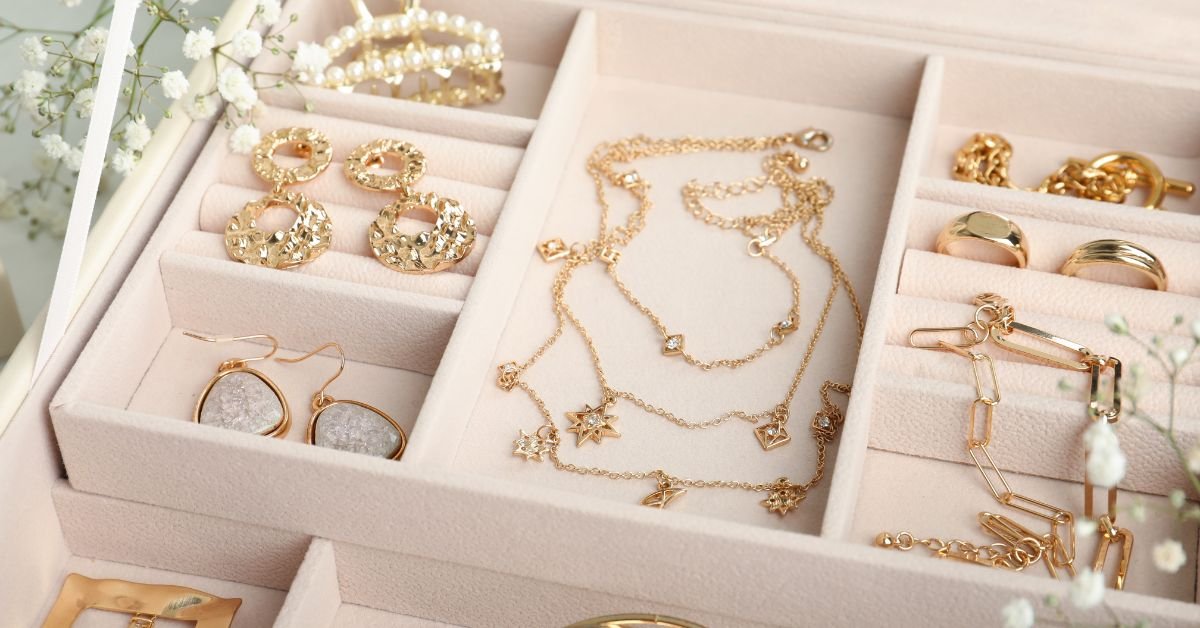
Think about simple studs, stackable rings, delicate pendants, slim bracelets, or small charms. These pieces blend into daily outfits while still carrying deep meaning. You may enjoy the jewelry more when it fits your real life instead of an imagined special occasion.
This jewelry also keeps memories close. Wearing a small pendant from a grandmother’s ring or a bracelet made from a parent’s chain can bring comfort in ordinary moments. That quiet connection often means more than saving the item for rare occasions.
Add Jewelry to Accessories
You don’t have to limit inherited jewelry to rings, necklaces, and bracelets. Some pieces work beautifully as accents on accessories. A jeweler or skilled craftsperson can attach small charms, pins, or decorative elements to handbags, belts, hair combs, or bridal accessories.
This choice can feel especially meaningful for weddings. You might add an heirloom charm to a bouquet wrap, sew a tiny pendant into a dress lining, or wear a converted brooch in your hair. These details let you carry family history into a milestone without changing your entire look.
For everyday use, you might attach a charm to a key ring or bag. That simple update gives a small inherited piece a useful new role.
Give Old Jewelry a New Life
Inherited jewelry doesn’t need to stay frozen in the past. You can respect its history while shaping it into something that fits your life now. A thoughtful redesign, a simple repair, or a creative styling choice can turn an overlooked heirloom into a piece you love.
The best repurposed jewelry keeps the emotional thread intact. It reminds you where it came from while giving you a reason to wear, display, or share it today. When you handle each piece with care, you don’t erase its story. You help it continue.
Image Credentials: New Africa, # 447914195