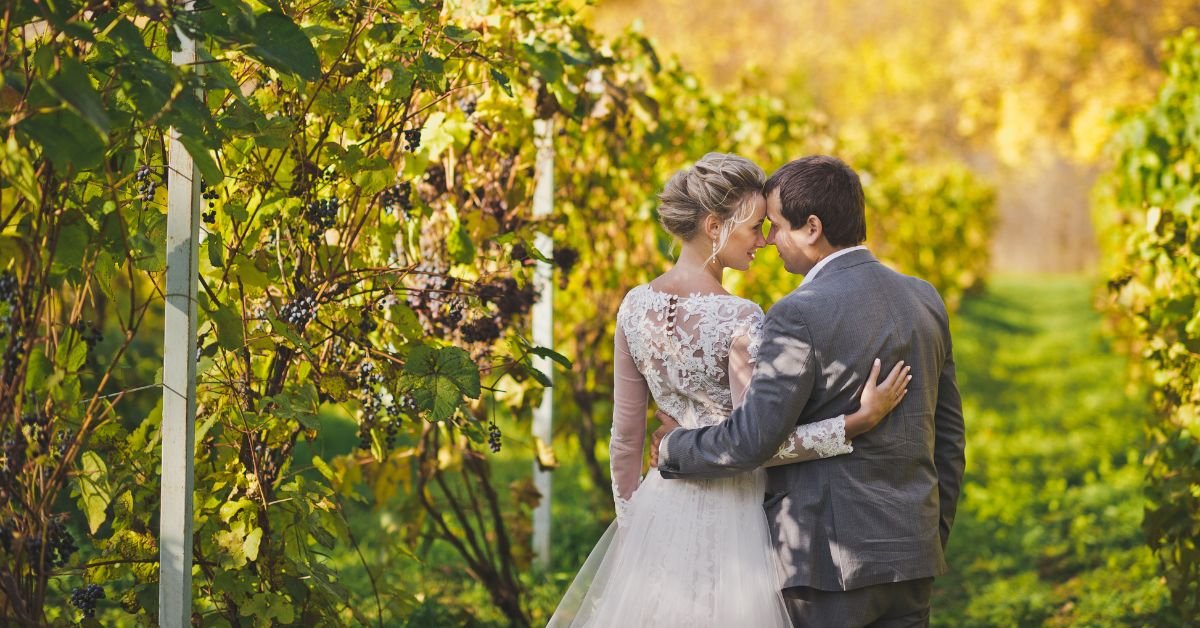
There is something undeniably magical about standing amidst rolling rows of grapevines, a glass of excellent Cabernet in hand, ready to pledge your life to your favorite person. If you and your partner bond over blind tastings, discovering hidden gem varietals, or simply sharing a bottle of red on the couch, a vineyard wedding feels like the ultimate expression of your love story. It combines natural beauty, rustic elegance, and, quite importantly, an abundant supply of delicious wine.
However, pulling off a celebration in a working agricultural setting involves more than just showing up and corking a few bottles. Mother Nature calls the shots in a vineyard, and logistics can get tricky when you are dealing with dirt paths, outdoor elements, and remote locations. But don’t panic. With the right preparation, you can execute a day that is as smooth as a well-aged Merlot. This complete guide will walk you through the essentials of planning a stunning vineyard wedding.
Choose the Right Season for the Vines
Timing is everything when it comes to vineyard nuptials. You might envision lush, green canopies of leaves and plump grapes hanging from the vines, but that specific look only happens during a limited window. Of course, the location of your vineyard will determine its exact situation throughout the year, but here’s a general idea of what to expect.
Spring
Spring offers bright green shoots, mild temperatures, blooming wildflowers, and a sense of new beginnings. However, the vines won’t have that full, heavy look yet.
Summer
Summer brings full foliage and sunny skies, but it also brings heat that can wilt your flowers and your guests.
Fall
Fall is arguably the most popular time for winery weddings because of the “veraison”—when grapes change color—and the stunning harvest energy.
Winter
Winter weddings in wine country can be cozy and intimate, utilizing barrel rooms and indoor tasting areas, but the vines themselves will be dormant, brown, and bare.
Navigate the Terrain and Logistics
Vineyards are farms first and event venues second. This rustic reality adds charm, but it also presents logistical hurdles you need to address early.
Uneven Earth
First, consider the ground beneath your feet. Soft dirt, gravel, grass, and uneven pavers are standard terrain here. You need to communicate this to your guests so they don’t wear stilettos that sink into the soil. Additionally, you should consider the accessibility for older guests or anyone with mobility issues. Golf carts or designated paved paths are essential for getting Grandma from the ceremony site to the cocktail hour without a struggle.
Rural Darkness
Moreover, lighting becomes a major safety factor once the sun sets. Vineyards are often located in rural areas with zero light pollution. While this makes for incredible stargazing, it also means pitch-black paths. String lights, lanterns, ample walkways, and spotlights for the parking lot are mandatory for safety. Typically, established vineyard venues supply these for you, but you must make sure of it.
The Insect Reality
Bugs love crops. Depending on the time of year, bees, flies, mosquitoes, and gnats are uninvited guests that might crash your party. Have a plan in place, such as citronella candles, professional spraying before the event, or individual bug spray bottles for guests.
Dress the Part
Your attire should complement the setting, not fight against it. A massive, cathedral-length train with heavy beading might become a nightmare if it drags through dirt and twigs. Instead, consider lighter fabrics that move with the breeze and won’t snag easily.
When accessorizing your bridal look, think about practical footwear. Many vineyard brides opt for block heels, wedges, fancy flats, or even cowboy boots for the ceremony and photos. You can always switch to heels later if you’re planning an indoor reception or an after-party.
Grooms and groomsmen should also consider the temperature. A heavy wool tuxedo might be torture during a sunny outdoor ceremony in July. Lighter blends, linen suits, breathable cotton shirts, and vests without jackets are stylish alternatives that keep everyone cool.
 Curate the Menu and Wine List
This is the fun part. You are at a winery, so the bar sets the tone for the entire evening.
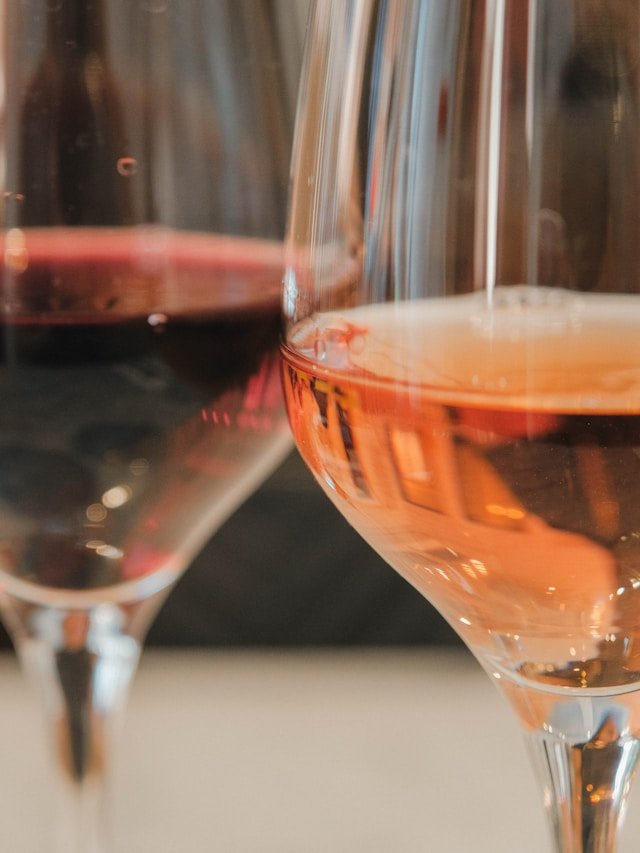
Most vineyards require you to serve their own wines. This is actually a huge benefit, as it guarantees you are serving a product the venue takes pride in. Schedule a tasting early in the planning process to select your favorites. You should aim for a balanced selection that includes a crisp white, a full-bodied red, a lighter red like Pinot Noir, and perhaps a sparkling option for toasts.
Food in wine country usually leans toward farm-to-table freshness. Work with your caterer to design a menu that highlights local produce and pairs specifically with the wines you selected. Think charcuterie boards overflowing with local cheeses, artisan breads, figs, and cured meats for cocktail hour. For dinner, family-style platters of roasted vegetables, grilled meats, fresh salads, and seasonal sides create a communal, warm atmosphere that fits the venue perfectly.
Provide Transportation for Your Guests
Vineyards are typically located far from city centers and hotels. Consequently, providing transportation for your guests is highly recommended.
Book shuttles or buses to ferry guests from a central hotel to the venue and back. For guests outside of the shuttle service area, provide Rideshare or taxi options. Doing so also allows everyone to indulge in the fabulous wine without worrying about navigating dark, winding country roads afterward. Your guests will thank you, and you will relax knowing everyone gets home safely.
Use Decor that Enhances, Not Distracts
The beauty of a vineyard wedding is that the scenery does the heavy lifting. You don’t need to spend a fortune on flowers when you are surrounded by acres of natural greenery.
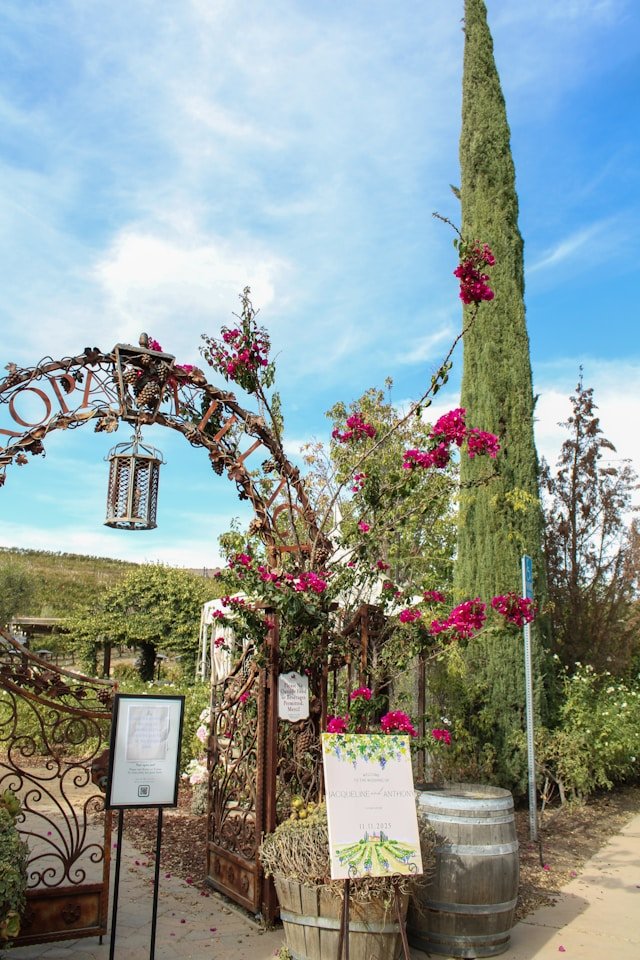
So keep your decor earthy and organic. Wine barrels are versatile props that work as cocktail tables, flower stands, cake displays, or altar markers. Incorporate elements like corks, grape leaves, vines, and deep burgundy or sage green tones into your centerpieces.
A vineyard wedding is a sophisticated, sensory experience that celebrates the good things in life. By following this complete guide and the advice of the professionals you work with, you can plan a stunning event. It takes a bit of extra coordination, but the payoff is sipping a glass of your favorite vintage as the sun sets over the vines, surrounded by the people you love most. Cheers to that!
Feature photo by alenazamotaeva via Adobe Stock