
You pull into your driveway after a long day, hit the garage door button, and watch the door roll up. Instead of a welcoming, open space for your vehicle, you face a chaotic obstacle course. Cardboard boxes from three moves ago stack precariously against the wall. Garden tools tangle in a heap near the lawnmower. The kids’ sports equipment creates a tripping hazard near the steps. You park in the driveway, resigning your car to the elements because the garage simply has no room left.
This scenario frustrates homeowners everywhere. The garage often becomes the household catch-all, a purgatory for items that do not belong inside but that you cannot bear to throw away. Most people attempt to solve this problem by reorganizing the floor. They buy large plastic bins and stack them in corners, or they push heavy workbenches against the wall. While these methods might clear a narrow path, they ignore the most valuable real estate in the room. The solution to your clutter problem does not lie on the concrete floor. It hangs above your head. Use these tips to help you utilize the vertical space in your garage.
Assess Your Garage Potential
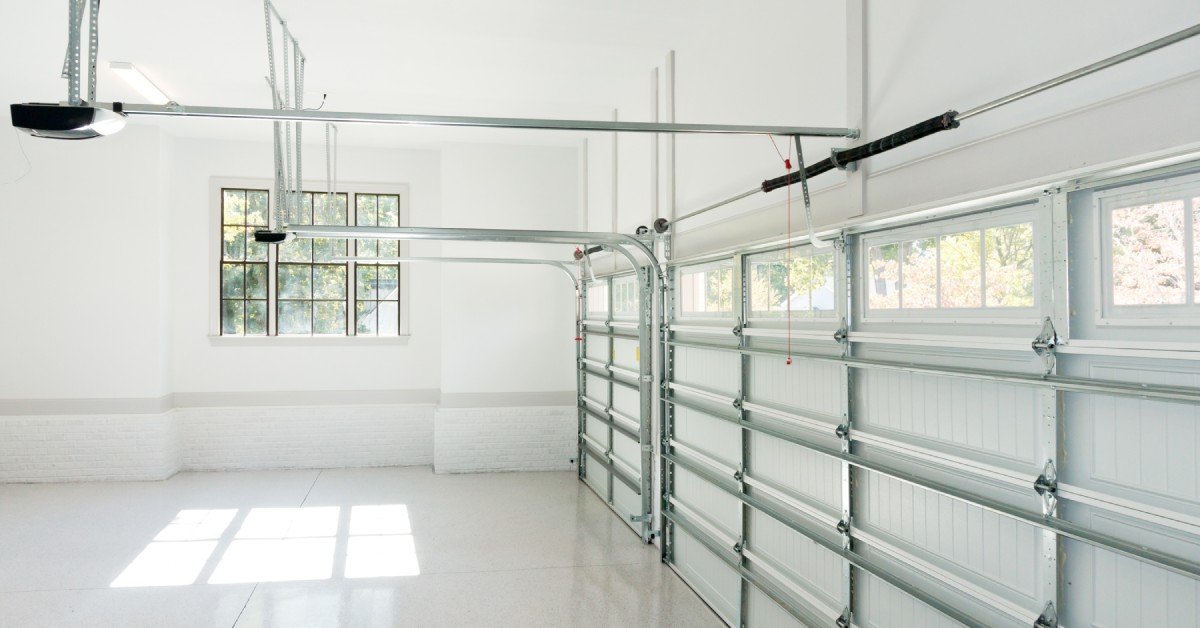
Before you buy a single bracket or bin, you must evaluate the canvas you have to work with. Stand in the center of your garage and look at the walls and ceiling. Notice the obstacles first. You likely have garage door tracks, a garage door opener motor, windows, perhaps a water heater, or an electrical panel. These features dictate where you can and cannot install storage.
Next, identify the prime zones for vertical expansion. The space above the garage door remains one of the most underused areas in modern homes. If your garage door tracks have clearance before they hit the ceiling, that void offers massive storage potential. Look at the walls near the ceiling. High shelves there can hold items you only need once a year, such as holiday decorations or camping gear. Measure the distance between the wall studs. Most residential garages use standard sixteen-inch or twenty-four-inch stud spacing, which serves as the anchor point for nearly every heavy-duty system you will consider.
Shelving Solutions That Lift the Load
Shelving forms the backbone of any organized garage. When you move boxes off the floor and onto shelves, you instantly regain square footage for your vehicle or hobbies. Don’t forget that the type of shelving you choose matters significantly.
Wall-mounted shelves provide a sleek, permanent solution. By bolting brackets directly into the studs, you create a sturdy platform that floats above the ground. This location keeps the floor clear for sweeping and prevents moisture damage to your belongings if the garage floor gets wet. Wire shelving remains a popular choice here because it collects less dust than solid wood and allows light to filter through, keeping the space feeling open.
Free-standing shelving units offer another robust option. These heavy-duty metal racks can support hundreds of pounds per shelf, making them ideal for heavy tools, paint cans, or automotive parts. While they do take up floor space, they offer mobility that wall-mounted options lack. You can reposition them if your needs change.
Overhead racks maximize the space over your head. These metal grids hang from the ceiling joists, usually above the garage door or in the center of the room. They serve as the perfect home for bulky, lightweight items like plastic storage totes. Many homeowners forget to look this high up. In fact, one common mistake when planning a garage storage system is failing to utilize the vertical space directly above the garage door mechanism. By installing a rack here, you turn dead air into a valuable storage locker.
Hanging Systems for Grab-and-Go Access
Shelves handle boxes well, but awkward items require a different approach. Bicycles, rakes, ladders, and folding chairs defy neat stacking. For these items, hanging systems offer the best efficiency.
Pegboard walls have stood the test of time for a reason. They provide infinite adjustability. You can arrange hooks to display your hammer, wrench, and saw, keeping tools visible and accessible. If you need to add a new tool, you simply move a hook. For a more modern and stronger take on the pegboard, consider slatwall panels. These panels feature horizontal grooves that accept a wide variety of baskets, hooks, and shelves. Slatwall systems look polished and can support significantly more weight than traditional pegboard, holding everything from cabinets to bicycles.
Dedicated track systems also work wonders. You mount a heavy-duty steel rail to the studs, and then snap various attachments onto the rail. A specific hook holds a wheelbarrow; another holds a weed whacker; a third cradles a ladder. These systems keep long-handled tools off the floor and prevent them from falling over like dominoes every time you reach for a broom.
Cabinets and Wall Organizers for a Clean Look
Open shelving offers convenience, but sometimes you want to hide the clutter completely. Cabinets provide a clean, finished appearance that transforms a garage from a workshop into a showroom. They also offer a critical security benefit.
Lockable cabinets protect curious children and pets from dangerous items. You should store fertilizers, pesticides, automotive fluids, and sharp blades behind locked doors. Metal cabinets resist temperature fluctuations and humidity better than wood or particleboard, which makes them a smart choice for non-climate-controlled garages.
Wall organizers complement these cabinets by handling the small stuff. Magnetic strips can hold drill bits and screwdrivers. Small, tilt-out bins can sort screws, nails, and washers by size. When you give every tiny item a specific home on the wall, you stop the cycle of buying new nails because you cannot find the box you bought last month.
DIY vs. Professional Installation
Now that you have a vision for shelves, racks, and cabinets, you must decide who will install them. The do-it-yourself route appeals to many for its cost savings. Hardware stores sell comprehensive kits designed for homeowners. If you own a reliable stud finder, a level, and a power drill, you can install most track systems and wall shelves over a weekend. DIY installation allows you to customize the layout exactly to your specifications as you go.
However, professional installation brings distinct advantages. Garage organization companies use commercial-grade materials that often exceed the weight capacities of retail products. They can install custom-fitted cabinets that span wall-to-wall, with no gaps. Furthermore, working on a ladder to install overhead racks can be physically demanding and dangerous. A professional crew brings the manpower and insurance to handle the heavy lifting safely. If you plan to install a complex system with integrated lighting and flooring, a professional installer can provide a level of fit and finish that is difficult to achieve on your own.
Safety Considerations
Gravity always wins, so you must respect it. Safety takes priority when you suspend hundreds of pounds of gear over your head and your car.
Always verify the weight ratings of every shelf and hook you install. A shelf might look sturdy, but if the manufacturer rates it for 50 pounds and you load it with 100 pounds of old textbooks, it will fail. You must locate the center of each ceiling joist or wall stud for every mounting point. Drywall anchors, no matter how robust they claim to be, rarely suffice for heavy garage storage.
Check the clearance of your vehicle. Measure the height of your car’s trunk when it opens fully. You want to position overhead racks high enough that the trunk lid does not strike them. Consider adding a lip or bungee cords to open shelves to stop items from vibrating off when the garage door rumbles open and closed.
Elevate Your Space
A chaotic garage causes unnecessary stress, but a well-planned vertical storage system restores order. When you stop looking at the floor and start looking at the walls, you discover a massive amount of untapped potential. Whether you choose simple hooks, industrial shelves, or sleek cabinets, the goal remains the same: lift the clutter to reveal the space. You gain room for your car, your hobbies, and your peace of mind. Take the first step this weekend. Pick one wall, find the studs, and start building up.
Image Credit: Konstantin L, #94040091