
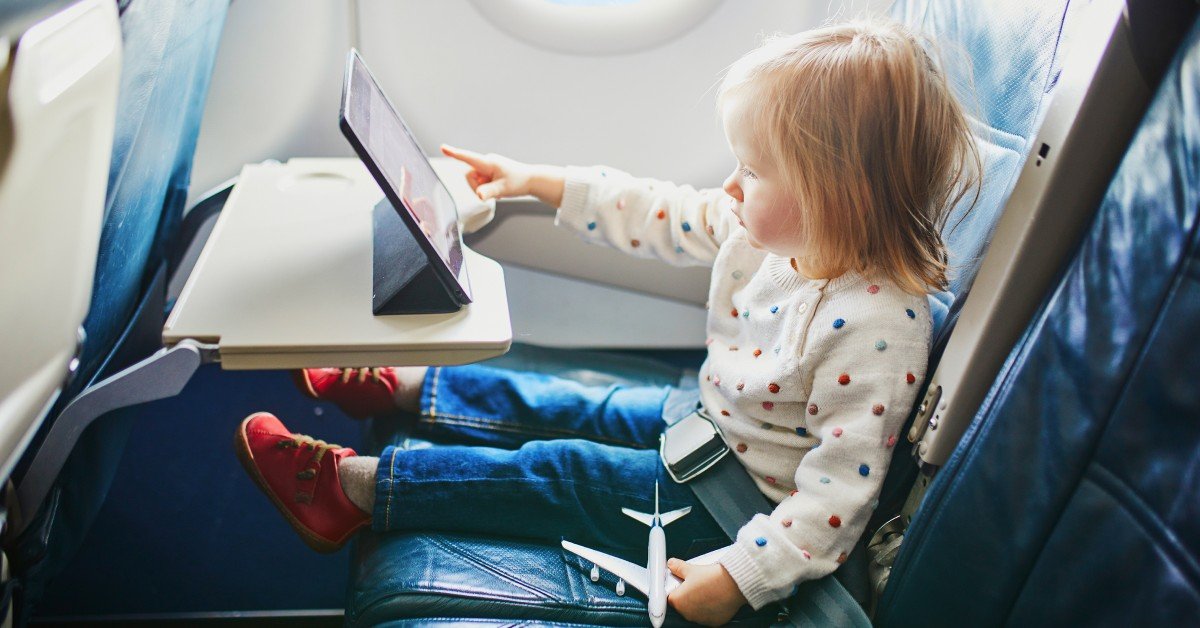
Boarding a plane with a toddler often feels like preparing for a tactical mission. You double-check the snacks, download the favorite shows, and pack enough diapers to survive a minor apocalypse. Yet, even the most prepared parents often overlook a simple, lightweight tool that can salvage a long-haul flight: the sensory bag. Let’s discuss a few reasons to try sensory bags for toddlers on planes and how they can restore sanity and preserve patience.
They Provide Essential Quiet Entertainment
Airplanes are sound amplifiers. The hum of the engine does little to mask the sound of a toy crashing to the floor or a game beeping incessantly. Fellow passengers, many of whom are trying to sleep or work, appreciate silence. This social pressure creates immense stress for parents.
Sensory bags solve this problem instantly. By design, they are quiet. A bag filled with hair gel and buttons makes no noise when a child squishes it. A “dry” bag filled with fabric scraps or soft pom-poms allows for silent exploration. You can hand one to your child immediately after takeoff, and they can manipulate the contents without disturbing the person in the aisle seat. This allows you to relax your shoulders and breathe, knowing your child has engagement without creating a spectacle.
They Help Regulate Big Emotions
Travel disrupts routines. Nap times shift, meals happen at odd hours, and the cabin pressure feels strange on little ears. This combination often leads to sensory overload for toddlers. When a child feels overwhelmed, their behavior often deteriorates. They might scream, kick, or cry because their nervous system is frantically trying to process too much input.
Sensory play is an excellent grounding technique. When a child focuses on the texture of a sensory bag—pushing a smooth marble through thick gel or tracing a shape on a textured surface—their brain releases dopamine. This focus calms their breathing and lowers their heart rate. Having a tool ready that actively lowers a child’s stress level will make traveling alone with a child easier, especially during those unpredictable moments like a delay on the tarmac or a rough patch of turbulence.
Mess-Free Engagement in a Tight Space
Anyone who has tried to use playdough on a tray table knows the regret of digging dried crust out of crevices later. Crayons roll under seats. Stickers end up on the window. The confined space of an economy seat is not conducive to messy play.
Sensory bags offer the engagement of messy play without the actual mess. You essentially seal the mess—the gel, the paint, the shaving cream, or the water beads—inside a heavy-duty freezer bag. You then tape the top with strong duct tape or packing tape.
They Are TSA-Friendly and Compact
Carry-on real estate is valuable. You cannot afford to pack bulky toys that take up half the diaper bag. Sensory bags are incredibly flat. You can stack five or six of them in the same space as a single hardcover book.
Regarding airport security, you must remain mindful of liquid restrictions. However, dry sensory bags pose zero issues. For wet bags, you have two options. First, you can make them small enough to fit within the liquid allowance restrictions, which is under three ounces. Alternatively, you can pack the empty bags and dry fillers—such as water beads or sponge animals—and simply ask a flight attendant for a cup of water once you board.
You Can Tailor Them to Current Interests
One of the greatest advantages of sensory bags is their adaptability. You know your child better than anyone. If they are currently obsessed with ocean animals, you can create a blue gel bag filled with plastic fish. If they love learning colors, you can create a sorting bag where they must push red buttons into a red circle drawn on the bag.
This customization captures their attention far longer than a generic toy. The novelty factor is high. You can create a specific set of bags just for the flight, keeping them hidden until you board. When you reveal a bag that perfectly aligns with their current interests, you buy yourself significantly more quiet time.
Low Cost and High Reward
Travel is expensive. Between airfare, hotels, and dining, you likely want to save money where you can. Sensory bags cost pennies to make, especially compared to buying a new tablet game or an expensive travel toy.
You likely already have the necessary supplies in your kitchen or bathroom. A simple Ziplock bag, some clear hair gel or shampoo, and a handful of knickknacks are all you need. If you want to get fancy, a quick trip to a dollar store yields everything you need for a dozen different bags. This low cost means you won’t be heartbroken if a bag accidentally gets left behind in the seat pocket or if you need to toss it before your return flight to make room for souvenirs.
Pro Tip:
If you plan to pack multiple bags with varying themes, consider the timing of each bag. Don’t give your toddler all the entertainment at once. Space out the bags so that each hour interval receives a fresh set of engagement and exploration. This can keep them satisfied throughout the flight rather than at specific time. For example, if you have a four hour flight, hours one, two, and three will receive a designated bag.
Ideas for Travel-Ready Sensory Bags
If you’re ready to assemble your kit, try mixing and matching textures. You want a variety of experiences to keep the child’s brain engaged. Consider these simple combinations:
- The Spy Bag: Fill a bag with dry rice or plastic pellets. Hide small trinkets inside—a coin, a small toy car, or beads. The child must manipulate the bag to find the hidden items.
- The Squish Bag: Use clear hair gel and add food coloring. Toss in glitter, googly eyes, or foam shapes. This provides a satisfying tactile squish.
- The Nature Bag: Fill a bag with soft items like leaves (fabric ones work best for longevity), smooth stones, or pinecones. This is great for a tactile comparison of rough versus smooth.
- The Color Mixing Bag: Put two blobs of different colored paint in a bag. Seal it tightly. Let your toddler squish the paints together to create a new color.
- The Water Bead Bag: Hydrate water beads beforehand and seal them in a bag. They create a bumpy, slippery texture that is fascinating to touch.
Ready for Takeoff?
The goal of family travel is to arrive at your destination with your sanity intact. By incorporating sensory bags into your plane ride, you provide your toddler with a healthy, developmental outlet for their energy. You minimize noise, reduce mess, and offer a calming activity that helps them cope with the strange environment of an airplane cabin. So grab some freezer bags and get creative. Your future self, sitting in seat 14B, will thank you.
Image Credit: Ekaterina Pokrovsky, #323336522