
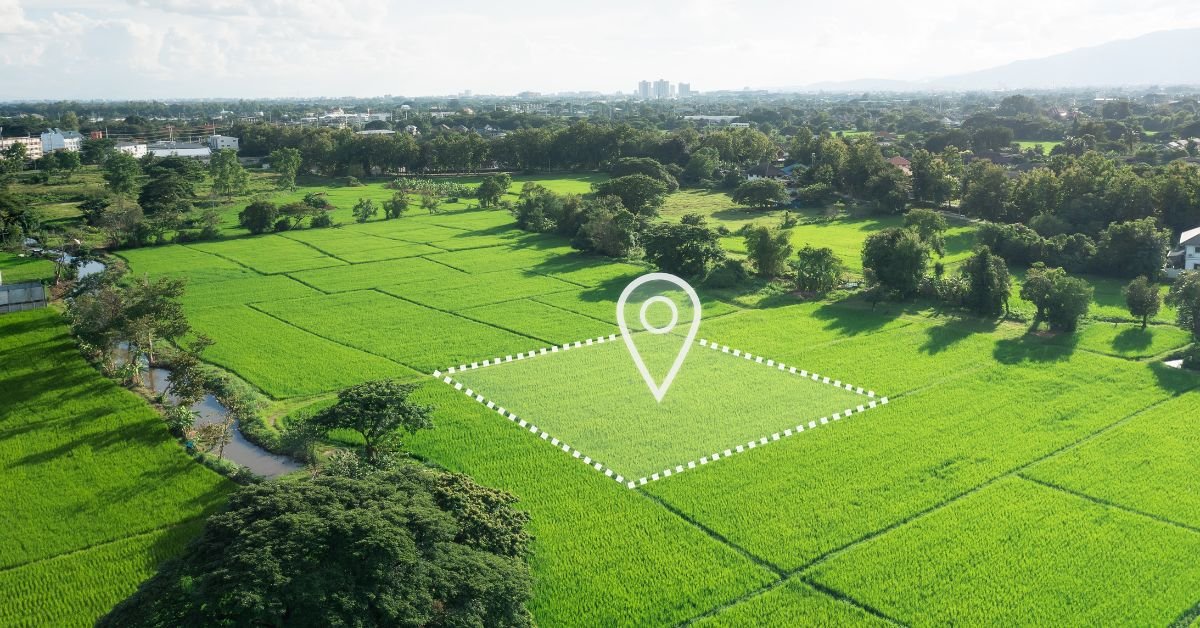
Purchasing remote property appeals to many people looking for solitude, adventure, or a different way of life. The idea of owning a slice of wilderness, far from city noise and congestion, offers a compelling sense of freedom. However, the reality of acquiring and maintaining off-grid or distant acreage involves challenges that differ significantly from buying suburban real estate. Without proper research, a dream property can quickly become a financial and logistical burden.
Prospective buyers must navigate a complex landscape of legal restrictions, physical limitations, and practical considerations before signing any paperwork. Understanding access rights, zoning laws, utility availability, and the true cost of development is important. This article outlines critical factors to evaluate when considering remote land, ensuring that your investment aligns with your long-term goals and capabilities.
Understanding Access and Legal Rights
One of the most immediate hurdles with remote land is physical access. Unlike urban lots that front public roads, remote parcels may be landlocked or accessible only via private easements. You must verify that the property has legal access rights. A lack of legal access can render a property unusable or lead to costly legal disputes with neighbors.
Physical access is another matter entirely. A legal easement on paper does not guarantee a drivable road. In many remote areas, “access” might mean an overgrown logging trail or a seasonal path that becomes impassable during winter or heavy rains. You should inspect the route personally or hire a local expert to assess the road conditions year-round. If road construction or maintenance is necessary, these costs will fall on you.
Easements can also affect how you use the land. Utility companies, neighboring landowners, or conservation groups might hold rights to cross or use portions of your property. Reviewing the title report carefully will reveal these encumbrances. Understanding exactly who has rights to your land prevents surprises down the road.
Zoning and Land Use Restrictions
Zoning laws dictate what you can and cannot build on a property. Just because land is remote does not mean it is free from regulation. Counties often have strict zoning codes that govern residential construction, agricultural use, and commercial activities. You need to check the specific zoning classification for any parcel you consider.
Some remote areas have minimum lot size requirements for building a dwelling. For example, a county might require a minimum of 10 or 20 acres to issue a building permit for a single-family home. Buying a smaller parcel in such a zone could leave you with land you cannot build on.
Environmental regulations also play a major role. Wetlands, flood zones, and protected habitats can severely restrict development. If a significant portion of the land is designated as wetlands, you might be prohibited from building structures or installing septic systems in those areas.
Assessing Utilities and Infrastructure
In remote locations, you typically cannot rely on municipal services. You must provide your own water, power, and waste disposal systems. The feasibility and cost of these systems vary wildly depending on the terrain and location.
Water:
- Wells: drilling a well is the most common solution, but it is expensive and not guaranteed to produce potable water. You should research well depths and water quality on neighboring properties.
- Cisterns: rainwater collection can be a viable alternative in some climates but requires storage tanks and filtration systems.
- Hauling: in extreme cases, you may need to haul water, which is labor-intensive and costly over time.
Power:
- Grid Power: extending power lines to a remote site can cost tens of thousands of dollars per mile. You need to get a quote from the local utility company early in the process.
- Solar/Wind: off-grid systems are popular but require significant upfront investment for panels, batteries, and backup generators. You must assess the site’s solar exposure or wind potential.
Septic:
- A percolation (perc) test determines if the soil can absorb wastewater. If the soil fails the test, you might need an expensive engineered septic system or potentially cannot build at all.
Topography and Soil Conditions
The physical characteristics of the land dictate its usability. A 40-acre parcel might look like a bargain until you realize 30 acres are on a steep cliff or in a swamp. You need a topographical map to understand the elevation changes and slope. Flat, buildable spots are necessary for structures, gardens, and driveways.
Soil quality affects everything from septic feasibility to gardening potential. Rocky soil makes excavation difficult and expensive. Clay-heavy soil drains poorly, complicating construction and septic installation. If you plan to farm or homestead, soil testing is vital to determine if the land can support crops.
Natural hazards are another consideration. Is the land in a high-fire risk area? Is it prone to landslides or flooding? Insurance for properties in high-risk zones can be prohibitively expensive or impossible to obtain.
Financial Considerations and Financing
Financing raw land is more difficult than buying a home. Banks consider land loans higher risk because there is no collateral structure (like a house) to secure the loan. Consequently, lenders often require larger down payments—typically 20% to 50%—and charge higher interest rates.
Many buyers of remote land turn to owner financing. In this arrangement, the seller acts as the bank. You make a down payment and monthly payments directly to the seller. While this can make purchase easier, you must have a lawyer review the contract to make sure the terms are fair and the title transfers correctly upon completion of payments.
Beyond the purchase price, you must budget for development costs. Clearing trees, grading a driveway, installing a septic system, and drilling a well can easily double your initial investment. Property taxes in remote areas are generally lower, but you should verify the current tax rate and assessment value.
The Reality of Remote Living
Living remotely requires a different mindset and skillset. Simple tasks like grocery shopping, visiting a doctor, or getting hardware supplies become day-long expeditions. Emergency services, including police, fire, and ambulance, will have significantly longer response times. You become your own first responder.
Connectivity is a major issue for many. High-speed internet is rarely available via cable. Satellite internet (like Starlink) has improved connectivity options, but cell service might be spotty or non-existent. You need to verify coverage if working remotely is part of your plan.
Climate plays a huge role in daily life. Heavy snow can isolate you for weeks. For instance, those interested in buying land in Alaska must prepare for extreme cold, limited daylight in winter, and logistical challenges that simply don’t exist in milder climates. Seasonal access issues can turn a year-round dream home into a summer-only cabin if you aren’t prepared for the weather.
Making an Informed Decision
Buying remote land is a significant commitment that requires due diligence. By systematically evaluating access, legal restrictions, infrastructure costs, and physical characteristics, you minimize risk.
- Verify legal and physical access immediately.
- Check zoning and land use restrictions with the county.
- Estimate the total cost of installing utilities (water, power, septic).
- Walk the land to assess topography and soil conditions.
- Secure financing and understand the terms of the loan.
- Confirm boundary lines with a professional survey.
Approaching the process with a critical eye allows you to find a property that truly meets your needs. Whether you seek a recreational getaway or a permanent off-grid homestead, thorough preparation ensures your remote land purchase becomes a rewarding asset rather than a costly mistake.
Feature Photo by Kaspars Grinvalds via AdobeStock