
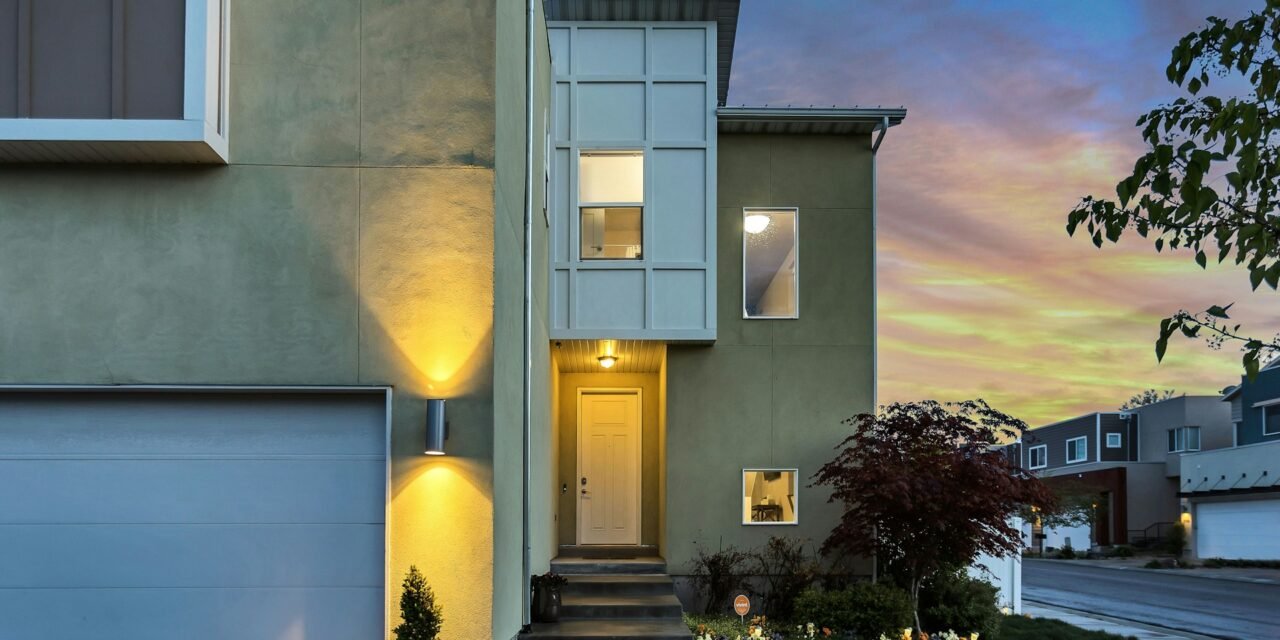
Feeling safe and secure in your home is vital for peace of mind. With advancements in technology and awareness of safety practices, enhancing home security has become more efficient and accessible than ever. Whether you’re a homeowner or a renter, implementing thoughtful and practical measures can significantly reduce the risk of intrusions, theft, or other potential threats. When it comes to home security, learn how to enhance your safety with several different methods.
Assessing Vulnerable Areas in Your Home
The first step to improving home security is identifying weak points that potential intruders can exploit. This process involves a thorough analysis of your property, both indoors and outdoors. Pay close attention to entry points, such as doors and windows, as they are the primary focus for unauthorized access. Poorly lit areas, dense vegetation, or easily accessible balconies may also serve as potential vulnerabilities. Strengthening your home’s security starts by addressing these weak spots with targeted solutions such as upgraded locking mechanisms or better lighting.
Another factor that many homeowners overlook is the accessibility of your outbuildings, such as garages, sheds, or basements. These structures may house valuable items and serve as easy targets if you don’t secure them properly. Assessing your property with a critical eye or even consulting professional security experts can help ensure you don’t inadvertently leave any area of your home vulnerable.
Upgrading Locks and Doors
Doors and locks serve as the first defense against intrusion, making their quality and effectiveness paramount. Iron doors provide many benefits to your home, but one of the most important is enhanced security through sturdier materials. Similarly, installing deadbolts as a secondary locking mechanism is a simple yet effective way to add an additional layer of security.
Consider upgrading to smart locks if you’re looking for more advanced solutions. These devices allow for keyless entry and provide features like remote locking or unlocking through mobile apps. Many models can also generate unique access codes for guests and family members, ensuring no one has unauthorized access to your home. A high-quality lock system should always be paired with strong door frames and strike plates to maximize the structural integrity of this key barrier.
Securing Windows and Glass Weak Points
Windows are often seen as easy targets for break-ins, but there are many practical steps to reduce this vulnerability. Installing shatter-resistant or laminated glass windows can make them much harder to breach. Adding security films to existing glass is another affordable option that strengthens panes against damage without altering their appearance.
To further deter intruders, consider using secondary locking devices or window bars, which can be particularly useful for ground-floor windows. If you want a more discreet solution, investing in window sensors tied to your home’s security system is an excellent alternative. With these installed, you’ll receive instant alerts if the sensors pick up an unauthorized entry.
Using Security Systems and Cameras
Investing in a home security system is one of the most effective ways to protect your home. Modern systems often include a combination of alarms, motion detectors, and security cameras to create a comprehensive safety net. Alarm systems work by detecting unauthorized movements or forced entry, triggering a siren and notifying authorities or homeowners. Their mere presence can act as a deterrent to potential intruders.
Security cameras have also become more advanced and affordable, offering features like high-definition video capture, night vision, and real-time monitoring through mobile devices. Placing cameras at critical points such as entryways, backyards, and driveways ensures you maintain visibility over your home at all times. Some security systems even integrate with smart home devices, allowing seamless control alongside other home automation features.
Enhancing Outdoor Security
The exterior of your home plays a crucial role in deterring unwanted activity. Well-lit perimeters are less inviting to potential intruders, so install adequate lighting around entryways, walkways, and the backyard. Motion-activated floodlights are a popular choice as they surprise would-be intruders and alert homeowners to suspicious activity.
Additionally, maintaining a clear and uncluttered landscape can reduce hiding spots around your property. Keep trees and bushes trimmed, especially near windows and fences, to ensure maximum visibility. For added security, installing fencing and gates can serve as a psychological and physical barrier, making your home less appealing to trespassers.
Building Strong Security Habits
While installing the latest technology and physical barriers can improve safety, cultivating strong daily habits is equally essential. Always lock doors and windows when leaving your home or going to sleep, even if you’re only stepping out briefly. Avoid hiding spare keys in predictable spots, such as under doormats or flowerpots, as intruders often check these areas first.
Be mindful of the information you share online, particularly when traveling; broadcasting your absence can inadvertently make your home a target for criminal activity. Instead, notify trusted neighbors or friends of your plans and ask them to collect mail or keep an eye on your property while you’re away.
Protecting Your Valuables
Safeguarding high-value items within your home is another layer of security that shouldn’t be overlooked. Use home safes to store important documents, jewelry, or cash. Safes should be heavy, fire-resistant, and bolted down to prevent easy removal. Positioning them in concealed areas adds an extra layer of protection.
If storing valuables outdoors, such as in a garage or storage shed, ensure these spaces have additional locks and monitoring systems in place. Labeling and inventorying your assets can also help recover them in the event of loss or theft, as it provides detailed information for law enforcement or insurance claims.
Creating a Neighborhood Watch Network
Building relationships within your community can be a powerful way to enhance collective safety. Neighborhood watch programs encourage residents to look out for one another, report suspicious activity, and share updates on potential threats. A connected community is far less attractive to criminals, as they face increased odds of being noticed or intercepted.
Participating in local events and fostering communication with neighbors also establishes greater trust, which can be especially useful during vacations or emergencies. When everyone works together to prioritize safety, the sense of security extends beyond individual homes and benefits the entire neighborhood.
Protect Your Home
Increasing your home’s security requires a thoughtful blend of technology, awareness, and community involvement. From installing secure mailboxes and using smart surveillance tools to fostering strong relationships with your neighbors, each step plays a vital role in keeping your property safe. By staying vigilant, adopting proven security measures, and working together, you not only reduce the risk of theft but also help create a safer environment for everyone. Take action today—small changes can make a big difference in safeguarding what matters most.
Feature Photo by Brian Babb on Unsplash