
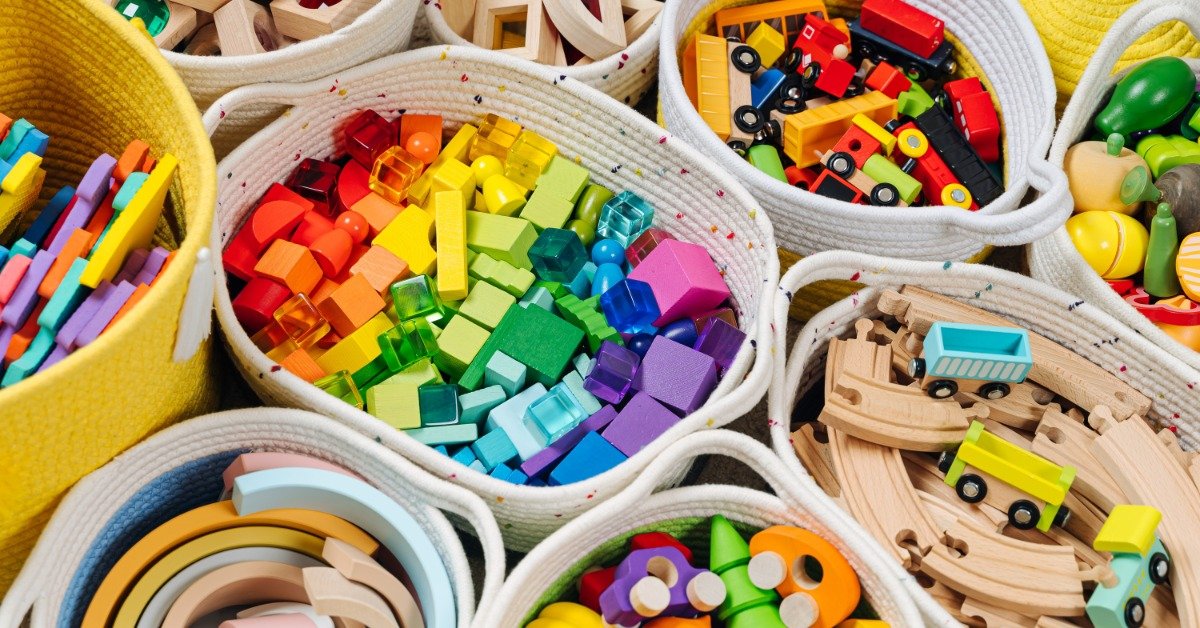
Keeping a home organized is something most homeowners strive for, yet many struggle to maintain it over time. Even with good intentions, certain habits and decisions can unintentionally create clutter, inefficiency, and stress. Organization is not just about having neat shelves or tidy rooms; it is about creating systems that make daily life easier and more functional.
Many homes become disorganized not because people do not care about order, but because of a few common organizational mistakes homeowners make that slowly build up over time. Recognizing these pitfalls can help homeowners develop better habits and create spaces that truly support their routines.
Trying to Organize Without Decluttering First
One of the most common mistakes homeowners make is trying to organize items they do not actually need. Many people jump straight into buying storage bins, shelves, or drawer dividers without first reducing the number of items they own.
When there is too much stuff, organization systems quickly become overwhelmed. Cabinets become crammed, drawers stop closing properly, and closets overflow. Instead of solving the problem, storage solutions simply hide the clutter temporarily.
Decluttering is an essential first step. Taking the time to sort through belongings and decide what is truly useful helps homeowners create a manageable amount of items to organize. Once unnecessary items are removed, storage systems become far more effective and easier to maintain.
Buying Storage Before Making a Plan
Another common mistake occurs when homeowners purchase storage solutions before understanding their actual needs. Attractive baskets, bins, and shelving units often seem like the perfect solution in the store, but they may not fit the space or function properly once brought home.
Without a clear plan, storage containers can become clutter themselves. Cabinets end up filled with mismatched bins, and closets become crowded with organizers that do not quite work.
Effective organization begins with assessing how a space is used. Homeowners should think about what items belong in the area, how often they are used, and what type of storage makes the most sense. Planning first ensures that storage solutions actually support daily habits rather than complicating them.
Creating Systems That Are Too Complicated
Overly complex organization systems often fail because they require too much effort to maintain. While color-coded bins, detailed labels, and elaborate filing methods may look appealing, they can be difficult for household members to follow consistently.
When organization systems are too complicated, people eventually stop using them. Items get tossed onto counters or shoved into drawers because returning them to their designated spot feels inconvenient.
Simple systems are usually the most effective. Clear categories, easy-to-access storage, and intuitive placement make it more likely that everyone in the household will follow the system. When organization feels effortless, it becomes part of daily life rather than an occasional chore.
Ignoring Daily Habits and Routines
A common reason organizational systems fail is that they do not align with how people actually live. Many homeowners design storage systems based on how they think things should work rather than how they realistically use their spaces.
For example, placing frequently used items in high cabinets or distant closets can make daily tasks more frustrating. Similarly, organizing by aesthetic appeal instead of practicality often leads to clutter returning quickly.
Successful organization supports real-life routines. Items used every day should be easy to access, while rarely used items can be stored in less convenient locations. When storage matches daily habits, maintaining order becomes much easier.
Allowing “Temporary” Clutter to Build Up
Many homes become disorganized because temporary clutter slowly turns into permanent clutter. Mail placed on the kitchen counter, bags left by the door, or miscellaneous items stacked on tables often start as short-term solutions.
Over time, these small piles grow larger and become harder to manage. What begins as a convenient spot to drop items eventually creates visual chaos and reduces the functionality of the space.
Establishing designated locations for common items helps prevent this buildup. Mail trays, entryway hooks, and simple storage baskets can keep frequently used items organized while maintaining the flow of daily routines.
Failing to Use Vertical Space
Many homeowners overlook the potential of vertical storage when organizing their homes. Cabinets, walls, and tall shelving units offer valuable storage opportunities that are often underutilized.
Instead, people tend to rely on horizontal surfaces like countertops and tables. These areas quickly become cluttered because they are convenient drop zones for everyday items.
Using vertical space helps maximize storage without taking up additional floor space. Wall-mounted shelves, hooks, pegboards, and tall cabinets can transform unused areas into practical storage solutions. One critical organizational tool homeowners often overlook is slatwalls. Especially in garages, slatwalls play a significant role when it comes to keeping your home organized.
Keeping Items “Just in Case”
Holding onto items for hypothetical future situations is another major contributor to household clutter. Many homeowners keep things they rarely use because they might need them someday.
These “just in case” items can accumulate quickly, filling closets, garages, and storage rooms. Over time, the sheer volume of unused belongings makes it harder to find and organize items that are actually needed.
A more practical approach is to evaluate how often something is used and whether it realistically serves a purpose in the home. Letting go of rarely used items creates more space and allows homeowners to organize what truly matters.
Not Maintaining Organizational Systems
Even well-designed organization systems require occasional maintenance. One mistake homeowners often make is assuming that once a space is organized, it will stay that way indefinitely.
Over time, new items enter the home, daily routines shift, and storage areas slowly become disorganized again. Without periodic reassessment, even the best systems can break down.
Setting aside time every few months to review storage areas helps prevent clutter from building up again. Small adjustments can keep systems functioning effectively and ensure that spaces remain practical and efficient.
Overlooking the Importance of Accessibility
Another frequent mistake is storing items in places that make them difficult to retrieve. High shelves, deep cabinets, and crowded closets may technically hold belongings, but they can create frustration when items are needed.
If retrieving something becomes inconvenient, people are less likely to return it to the same location after use. This quickly leads to clutter appearing in other areas of the home.
Accessibility is a key factor in effective organization. Frequently used items should be stored at eye level or within easy reach, while seasonal or rarely used belongings can be placed in higher or less accessible locations.
Building Organization That Lasts
Home organization is not about perfection or achieving a picture-perfect appearance. Instead, it is about creating systems that support the way a household functions day after day. Avoiding common organizational mistakes can help homeowners build spaces that feel calmer, more efficient, and easier to maintain.
By decluttering first, planning storage carefully, and designing systems around real habits, homeowners can create lasting organization that works for everyone in the household. Small improvements in organization can lead to significant improvements in comfort, productivity, and overall quality of life.
Over time, thoughtful organization transforms a house into a home that supports both daily routines and long-term peace of mind.
Image Credentials: by igishevamaria, 542466769