
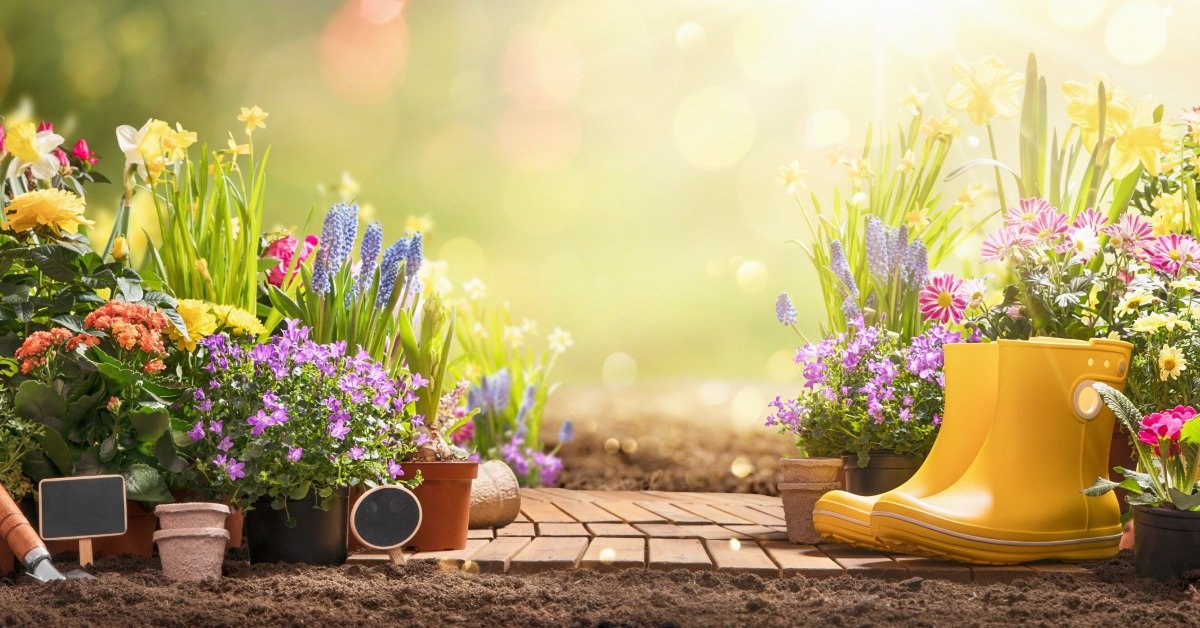
A thriving garden doesn’t have to depend on harsh products or complicated routines. Some of the best results come from simple choices that work with nature instead of against it. When you focus on healthy soil, smart watering, and thoughtful plant selection, your garden can grow lush, colorful, and full of life in a way that feels rewarding from season to season.
Eco-friendly gardening also creates a deeper connection to your outdoor space. You start to notice how the soil changes after a good rain, how pollinators move from flower to flower, and how a few careful habits can support stronger growth. That kind of approach feels good because it helps your plants while also creating a calmer, more welcoming yard. Use these eco-friendly tips to help your garden thrive.
Start With Healthy Soil
Healthy gardens begin below the surface. Rich, balanced soil gives roots the support they need to grow strong and steady. Before you add new plants, take time to loosen compacted soil and mix in organic matter like compost. Compost feeds the earth gently and helps it hold moisture, which benefits flowers, herbs, vegetables, and shrubs alike.
You can keep building better soil throughout the year. Kitchen scraps, grass clippings, and fallen leaves can all become part of a compost pile if you manage them well. Over time, that compost turns into a dark, crumbly material that improves texture and supports healthy root systems. This process also gives you a useful way to recycle natural waste from your home and yard.
Mulch also plays a valuable role. A layer of natural mulch around plants helps the soil stay cool and moist while keeping weeds in check. Shredded bark, straw, pine needles, or chopped leaves all work well in different spaces. Mulch breaks down slowly and adds even more organic matter back into the ground.
Choose Plants That Fit Your Space
A garden often thrives when you choose plants that suit your local climate and soil conditions. Native plants and well-adapted varieties usually settle in with less fuss because they already match the rhythm of the environment around them. They often need less water, less maintenance, and fewer extra inputs once they establish themselves.
Think about sunlight, drainage, and spacing before planting. A flower that loves full sun will struggle in deep shade, while a moisture-loving plant may not flourish in a dry corner near a wall. When each plant sits in a place that matches its needs, the whole garden feels more balanced and easier to maintain.
This step is also a lovely time to plan for beauty across the seasons. Mix flowering plants, greenery, and textured foliage so your yard always offers something fresh to enjoy. A thoughtful mix can make even a small space feel layered, lively, and inviting.
Water With Care
Watering wisely makes a big difference in an eco-friendly garden. Instead of watering often and lightly, water deeply so roots grow downward and become more resilient. Morning usually works best because the cooler air gives moisture time to soak into the soil before the heat of the day rises.
Rain barrels can help you collect water for later use, which adds a practical and earth-conscious touch to your routine. You can use collected rainwater for many garden areas, especially ornamental beds and containers. Soaker hoses and drip irrigation also help deliver water directly to the roots, which reduces waste and keeps foliage drier.
Mulch supports this effort by slowing evaporation. When the soil stays evenly moist, plants often grow with more consistency, and your routine feels less demanding. A little planning around water use can keep your garden looking vibrant while reducing unnecessary runoff.
Welcome Helpful Wildlife
A flourishing garden often includes more than plants. Birds, butterflies, bees, and other beneficial visitors all add energy and balance to the space. You can invite them in by planting a variety of flowers that bloom at different times of the year. This variety gives pollinators a steady source of nectar and keeps your garden active and colorful.
Birdbaths, shallow water dishes, and sheltered corners can also make your yard more inviting. When wildlife finds food, water, and rest in one place, your garden becomes a small but meaningful habitat. That extra layer of life brings movement and charm to the landscape.
As you shape your space, you can also make your landscaping pet-friendly by choosing non-toxic plants and creating soft paths or shady resting spots. That choice helps pets enjoy the garden comfortably while keeping the atmosphere gentle and welcoming for the whole family.
Feed Plants Naturally
Plants need nutrients, but they do not always need synthetic products. Compost, worm castings, and natural soil amendments can provide a steady source of nourishment without overwhelming the garden. These options support long-term soil health, which often matters more than a quick boost.
You can also use homemade compost tea or organic fertilizers for vegetables, herbs, and flowers that need extra support during active growth. The key is to feed plants in a measured way and pay attention to how they respond. When leaves look vibrant and growth stays steady, your garden usually tells you that your routine works.
A natural feeding approach helps you build a healthier system over time. Instead of chasing fast results, you create steady conditions where plants can grow well with fewer disruptions.
Keep Weeds in Perspective
Weeding can feel like a constant task, but it becomes more manageable when you take a gentle, regular approach. Pull weeds while they are still small, so they don’t compete with your plants for light, water, and nutrients. A few minutes here and there often works better than letting the job pile up.
Mulch helps with weed control, and so does close planting in some beds. When plants fill in thoughtfully, they shade the soil and leave less room for unwanted growth. Hand tools can also make the work easier without disturbing nearby roots too much.
It helps to think of weed control as part of caring for the whole garden rather than fighting against it. That mindset keeps the tone of gardening light and steady, which makes the work feel more enjoyable.
Create a Garden That Lasts
A sustainable garden grows best when you think beyond one season. Perennials return year after year, shrubs add structure, and trees offer shade, shelter, and beauty over time. When you combine long-lasting plants with seasonal favorites, your garden gains both stability and variety.
Pathways, raised beds, and simple borders can also help you care for the space more easily. Clear layouts reduce soil compaction and make watering, pruning, and harvesting more pleasant. A garden that feels easy to move through often becomes a place where you want to spend more time.
Let the space evolve naturally as you learn what grows well and what brings you joy. Gardening does not need to feel rigid. It can stay flexible, creative, and full of small discoveries.
Let Your Garden Shine
Eco-friendly gardening brings together beauty, care, and intention in a way that feels both practical and uplifting. When you enrich the soil, water thoughtfully, choose the right plants, and welcome helpful wildlife, you create a space that supports healthy growth from the ground up. Each small habit adds to the whole picture, and over time, those efforts can turn an ordinary yard into a vibrant retreat. With patience and a warm approach, your garden can thrive in a way that feels natural, abundant, and deeply satisfying.
Image Credentials: Maksim Pasko, # 329126116