
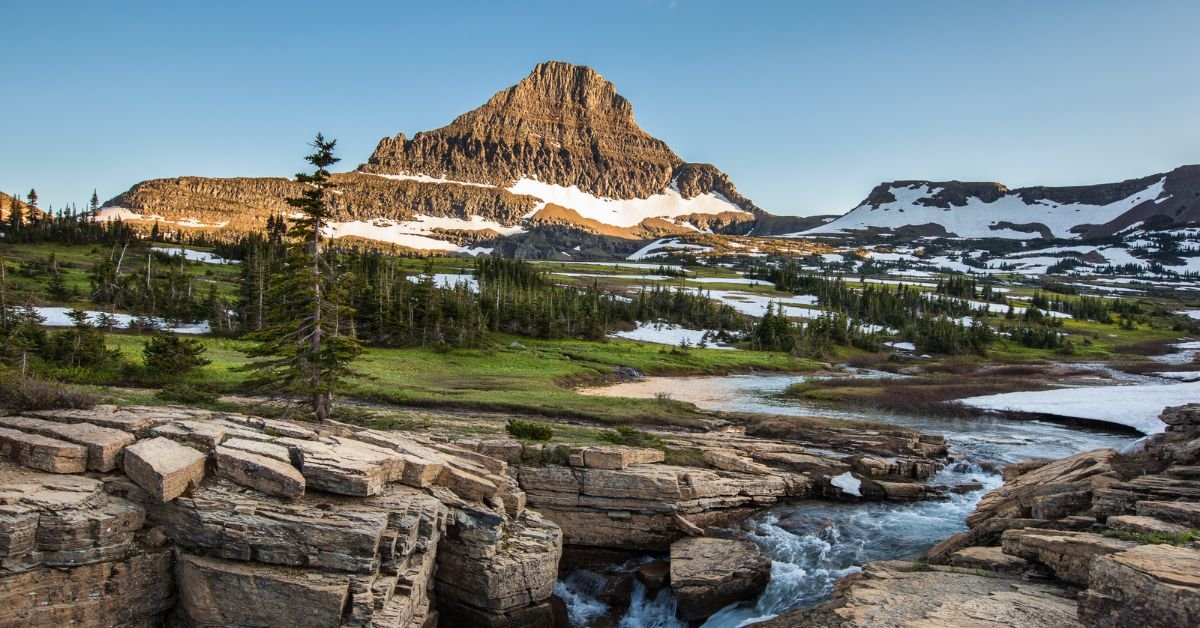
National parks protect some of the most remarkable landscapes, wildlife habitats, and cultural landmarks in the world. Millions of travelers explore these areas every year to hike scenic trails, photograph wildlife, and reconnect with nature. However, national parks require visitors to follow clear rules that protect fragile ecosystems and ensure a safe experience for everyone.
Understanding and respecting these rules allows you to enjoy your trip while preserving the park for future generations. The following principles outline the most important rules every traveler should follow in a national park.
Stay on Marked Trails
Park trails exist for a reason. Rangers design them to protect sensitive vegetation, reduce erosion, and guide visitors safely through varied terrain. When you step off a marked path, you can damage plant life that may take decades to recover.
Staying on designated trails also protects you. Trails often avoid unstable ground, hidden drop-offs, or wildlife nesting areas. If you wander off, you increase your risk of injury or getting lost.
Follow these practical steps:
- Obey posted trail signs and closures
- Avoid creating shortcuts or “social trails”
- Walk in single file on narrow paths
- Keep children within sight at all times
Even if a viewpoint looks tempting from a distance, reach it only through approved routes. Responsible travel begins with discipline.
Respect Wildlife From a Safe Distance
Wild animals in national parks remain wild, even if they appear calm or accustomed to people. Approaching them for photos or feeding them disrupts natural behavior and can lead to dangerous encounters.
Maintain the distance recommended by park authorities. Many parks require at least 25 yards from most wildlife and 100 yards from large animals such as bears, wolves, or bison. Use binoculars or a zoom lens instead of moving closer.
Never feed wildlife. When animals associate humans with food, they may become aggressive or dependent. Rangers often have to relocate or euthanize animals that lose their natural fear of people.
Store food securely in approved containers, especially in bear country. Dispose of trash properly and clean up all food scraps. Your actions directly influence wildlife survival.
Follow Leave No Trace Principles
National parks face increasing pressure from high visitor numbers. Travelers must reduce their environmental impact to protect these spaces.
Leave No Trace principles provide a clear framework:
- Plan ahead and prepare
- Travel and camp on durable surfaces
- Dispose of waste properly
- Leave what you find
- Minimize campfire impacts
- Respect wildlife
- Be considerate of other visitors
Carry out everything you bring in, including biodegradable items like fruit peels. Avoid picking flowers, collecting rocks, or removing artifacts. Even small actions can disrupt ecosystems or damage historical sites.
When visiting a national park on vacation, you may feel tempted to take a small souvenir. Instead, take photographs and memories. Parks rely on visitors to preserve natural and cultural features for others.
Observe Fire Regulations Carefully
Wildfires pose one of the greatest threats to national parks. A single unattended campfire or discarded cigarette can cause devastating damage.
Before building a fire, check current fire restrictions. Some parks ban fires during dry seasons. If fires remain permitted, use established fire rings only.
Follow these fire safety practices:
- Keep fires small and manageable
- Never leave a fire unattended
- Extinguish fires completely with water
- Stir ashes and ensure they feel cool to the touch
Avoid burning trash, as it can release harmful chemicals. In many parks, portable camp stoves provide a safer alternative.
Prepare for Changing Weather Conditions
Weather in national parks can shift quickly, especially in mountainous or desert regions. Travelers who fail to prepare often face unnecessary risks.
Check forecasts before your trip, but do not rely solely on them. Bring layered clothing, rain protection, sun protection, and sufficient water. Even short hikes can become dangerous if temperatures rise or storms move in.
Altitude can also affect your body. If you visit high-elevation parks, allow time to acclimate and drink plenty of water. Recognize symptoms of heat exhaustion, hypothermia, or altitude sickness.
Preparation reduces strain on park rescue teams and keeps your trip enjoyable.
Understand and Obey Park-Specific Rules
Each national park enforces regulations tailored to its unique environment. Some parks restrict drone use, while others regulate fishing, climbing, or boating activities.
Review the park’s official website before you arrive. Pay attention to:
- Permit requirements
- Timed entry systems
- Backcountry camping regulations
- Wildlife advisories
- Road closures
Rangers enforce these rules to protect visitors and natural resources. Failure to comply can result in fines or removal from the park.
By staying informed, you avoid disruptions and support park management efforts.
Protect Water Sources
Rivers, lakes, and streams form essential ecosystems within national parks. They also provide drinking water for wildlife and, in some cases, nearby communities.
Avoid contaminating water sources. Do not wash dishes, bathe, or dispose of waste directly in streams or lakes. Camp at least 200 feet away from water when possible.
If you need to wash items, carry water away from the source and use biodegradable soap sparingly. Filter or treat water before drinking it, as natural sources may contain harmful microorganisms.
Clean water sustains both wildlife and visitors. Protecting it requires consistent, responsible behavior.
Practice Responsible Camping
Camping allows travelers to experience national parks more deeply, but it also demands careful attention.
Use designated campsites whenever available. These sites concentrate impact and reduce widespread environmental damage. Avoid setting up tents on fragile vegetation or near wildlife corridors.
Keep campsites tidy. Store food securely and dispose of trash promptly. Quiet hours exist in many campgrounds to ensure all visitors can rest comfortably.
If you camp in the backcountry, secure required permits and understand navigation basics. Carry a map, compass, or GPS device, and inform someone of your itinerary before departure.
Respect Cultural and Historical Sites
National parks preserve not only natural wonders but also significant cultural landmarks. Petroglyphs, historic buildings, battlefields, and archaeological sites hold deep historical value.
Do not touch or deface structures, carvings, or artifacts. Oils from your hands can accelerate deterioration. Climbing on fragile structures may cause irreversible damage.
Follow posted guidelines for site access. Some areas restrict entry to protect delicate resources.
Respect for cultural heritage honors the communities and histories connected to these landscapes.
Keep Safety a Priority
National parks offer adventure, but they also contain hazards such as cliffs, fast-moving rivers, and rugged terrain.
Follow warning signs and barrier markers. Do not climb over railings for photographs. Many serious injuries occur when visitors ignore clear safety instructions.
Carry a basic first-aid kit and know how to use it. Stay hydrated and take breaks as needed. If you hike in remote areas, bring emergency communication tools when possible.
Your safety remains your responsibility. Prepared travelers make better decisions.
Rules for the Best Experience
National parks represent shared treasures that depend on responsible visitors. By staying on marked trails, respecting wildlife, preparing carefully, and following park regulations, you protect both the environment and your own travel experience. Every action you take influences the health of these landscapes.
Travelers who understand and follow these essential rules contribute to conservation efforts while enjoying unforgettable outdoor experiences. Responsible behavior ensures that national parks remain vibrant, accessible, and inspiring for generations to come.
Image Credentials: By kanonsky, File 62205715