Travelers usually chase views, food, and nightlife, then drive right past local farms without stopping. A visit to a bee farm changes that pattern fast. You see where part of your food system starts, you meet people who care about it, and you walk away with a story nobody else on your trip has. Why it’s worth visiting a local bee farm comes down to the mix of real experiences, local flavor, and small details you rarely get from typical attractions.
You Taste Honey in a Totally New Way
Most people grab honey from a grocery shelf and move on. At a bee farm, the keeper pours different varieties, explains where each one comes from, and shows how flavor shifts with the seasons and flowers.
You’ll taste light, floral honey from spring blooms, darker batches from later in the year, and maybe something wild from a specific plant in that region. After working through a couple varieties, your taste buds will start picking up subtle differences. That experience will stick in your head much longer than a standard dessert or fancy cocktail from town.
You Finally See What Bees Actually Do All Day
Bee farms give you a clear view of what goes on inside a hive. You’ll get to watch frames covered in bees, listen to the buzz, and see workers coming and going with full pollen baskets. The keeper will point out the queen, talk through her role, and show how the hive organizes itself without a manager or schedule.
With this newfound perspective, you’ll stop treating bees as background noise in the garden and start seeing how structured their world is. That firsthand view gives you respect for them fast.
Learn How Beekeeping Supports the Environment
Have you ever stopped and wondered how your travel choices connect to the health of local ecosystems? During your visit, the resident keeper will talk with you about the benefits of beekeeping, and how it helps nearby farms and wild habitats by supporting pollination, plant diversity, and stronger ecosystems. You’ll learn that beekeepers don’t just keep bees for their benefit.
Many beekeepers work as conservationists in practice. They provide safe spaces for colonies, protect them from common pests, and support forage by planting pollinator-friendly trees, shrubs, and flowers. Managed hives help keep pollination levels steady when wild bee populations struggle. Some keepers rescue swarms that would be removed or destroyed and give them a stable home instead. A visit like this shows how thoughtful beekeeping supports bees, strengthens local ecosystems, and keeps landscapes healthier over time.
You Get Outside the Standard Tourist Loop
Most trips follow the same pattern: downtown, a couple of well-known restaurants, maybe a museum, then back to the hotel.
A bee farm visit pushes you into the countryside, where you’ll see the landscape that actually supports the local economy. You’ll drive past fields, small shops, and backroads that never show up in glossy travel photos. That break from crowded areas feels good, especially after a few days of busy attractions. You’ll head back with a clearer sense of what the region looks like beyond the main streets.
You Come Home with Better Travel Stories
Bee suits, smoker tools, buzzing frames, and honey tastings all turn into easy stories when you get back home. Friends will ask why you decided to visit a bee farm in the first place, and you’ll be able to give them a full answer instead of a generic recap of “good food and nice views.” Photos of you near hives or holding a frame stand out in your camera roll. Those moments give your trip personality and help it stand apart from every other vacation people hear about.
You Support People Who Care About Their Land
Bee farms rarely feel corporate. Most of the time, you’re standing on someone’s property while they talk about seasons, blooming patterns, and weather.
Your visit helps them keep that work going. The money you spend goes toward equipment, feed when needed, and hive maintenance. You’re support a person who actually lives in that area instead of a large attraction where your spending gets lost in a big system. That kind of stop adds some real value to your travel budget.
You Get Hands-On Experiences You Remember
Some bee farms offer simple, safe activities that help you connect with the process. You might pour your own honey into a jar, roll a beeswax candle, or taste honey straight from the comb.
These small tasks involve your senses in a way that passive sightseeing never does. Your hands, nose, and taste buds all join the experience. Those details stay with you, and you’ll remember that specific farm long after other stops blur together.
You See How Local Seasons Shape a Place
At a bee farm, the keeper will talk about which plants bloom when, how weather affects nectar flow, and what changes from month to month. You’ll learn which times of year bring strong honey flows and which periods stay quiet. That kind of information helps you read the landscape better in every region you visit. Instead of just calling a place “pretty,” you’ll know a little about what is growing, what bees are visiting, and how the whole system stays in motion throughout the year.
You Get a Calm Break from Busy Travel Days
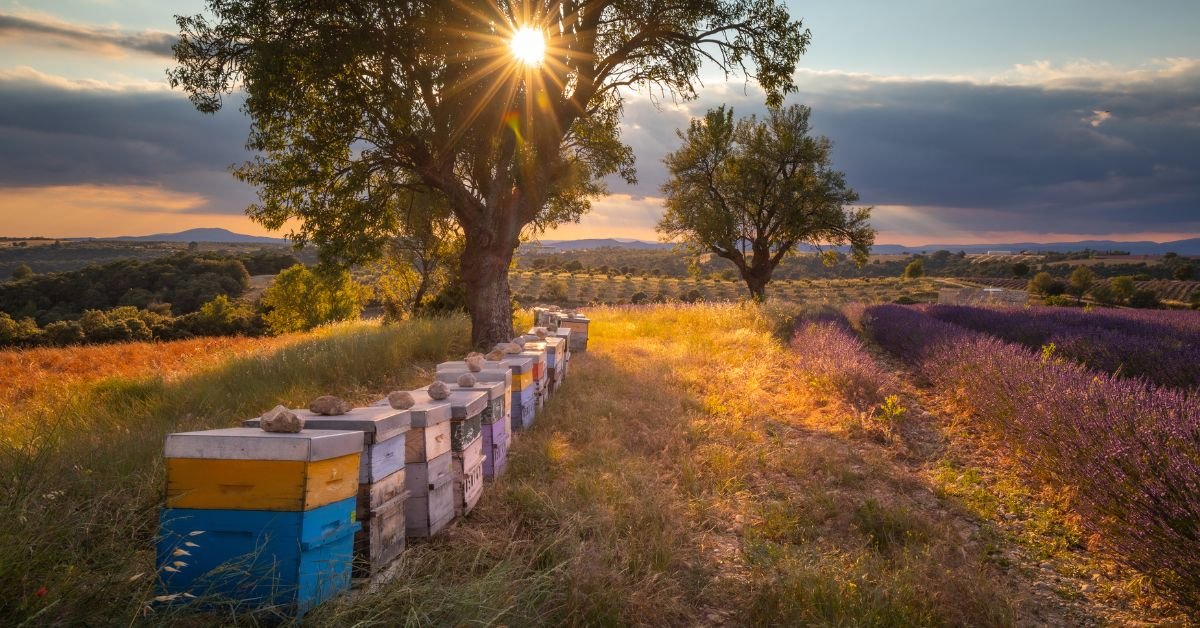
Bee farms usually sit away from loud roads and crowded downtown areas. The setting feels quiet, with fields, trees, and an open sky. Walking between hives, sitting near a flower patch, or hanging out by the farm shop gives your brain a reset from packed itineraries. That slower pace helps you enjoy the rest of your trip more. You’ll give yourself a chance to breathe, listen, and take in where you are without rushing.
You Pick Up Practical Tips for Everyday Life
Time on a bee farm answers questions you didn’t know you had. You’ll learn how to support pollinators back home, which plants help bees, and what to do if you see a swarm in your neighborhood. You’ll get clear advice on how to handle bees calmly instead of reacting with panic. Those tips follow you home and change how you treat your own outdoor spaces. A short visit turns into long-term habits that support bees in your own area.
Adding Bee Farms To Future Trips
Once you visit one, you understand why it’s worth visiting a local bee farm whenever your travels bring you near rural areas or small towns. The stop adds real connection to the place, teaches you something useful, and supports people doing careful work on the ground.
Next time you plan a route, check the map for bee farms nearby and give yourself a chance to see what your trip looks like through the eyes of the bees and the people who work with them every day.
Image Credentials: PawelUchorczak, 274450396