
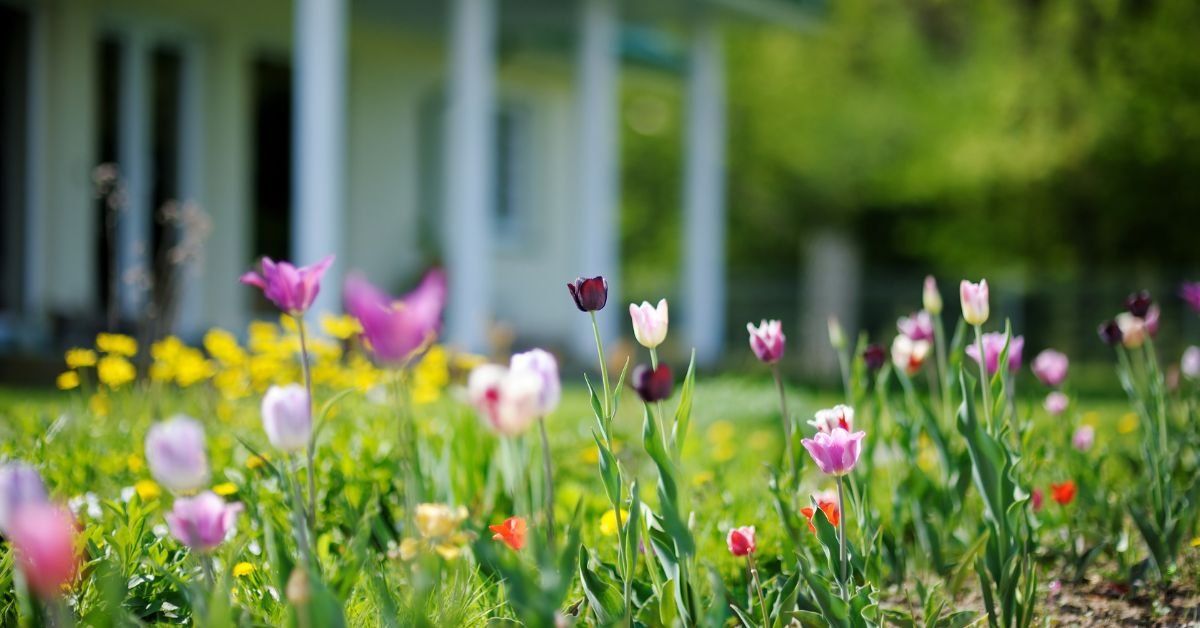
As winter loosens its grip, homeowners start to notice every corner of the yard again. Melting snow, longer daylight, and warmer soil reveal both opportunities and problems across lawns, gardens, and trees. Spring creates the best moment to evaluate outdoor spaces and prepare them for steady growth. A thoughtful inspection early in the season helps prevent costly damage later and supports healthier plants throughout the year.
Homeowners who understand soil conditions, lawn recovery, tree health, and water management gain better control over the landscape. Careful attention during early spring sets the tone for the months ahead and keeps the yard functional, attractive, and easier to maintain.
Understanding Soil After Winter
Cold temperatures, snow cover, and repeated freeze thaw cycles change soil structure during winter. Compaction often increases as moisture settles and ground pressure builds. Early spring offers the right time to check drainage, loosen dense areas, and restore balance before heavy plant growth begins. Garden beds benefit from gentle cultivation that breaks surface crust without damaging soil organisms.
Adding compost improves texture and encourages root development across lawns and planting beds. Soil testing also provides valuable information about nutrient levels and pH balance. When homeowners correct deficiencies early, plants establish stronger roots and respond better to seasonal fertilization.
Helping Lawns Recover
Grass rarely emerges from winter in perfect condition. Snow mold, salt exposure, pet traffic, and matted debris often weaken turf. Early raking removes dead grass and improves air circulation at the soil surface. Homeowners should also watch for compacted patches that prevent roots from expanding. Aeration improves oxygen flow and encourages stronger turf development.
Overseeding thin areas restores density and reduces the chance of weed invasion later in spring. Balanced fertilization supports steady growth without forcing weak blades. Consistent mowing height and moderate watering help new grass establish evenly across the yard.
Inspecting Trees and Shrubs
Trees and shrubs face heavy stress during winter storms, ice accumulation, and strong winds. Spring inspection allows homeowners to spot structural problems before new leaves hide damage. Broken limbs, cracked bark, and leaning trunks require prompt attention. Pruning small branches improves plant structure and encourages healthy growth patterns. However large limbs and complex canopy problems demand professional evaluation.
Many property owners consider hiring a tree contractor when they notice storm damage, decay, or branches that threaten roofs and power lines. Professional crews carry equipment, safety training, and experience that reduce risk while protecting surrounding landscaping. Healthy trees improve shade, property value, and long term landscape stability.
Managing Spring Yard Cleanup
Seasonal debris builds up across lawns and planting beds during winter. Cleaning the yard early improves plant health and prepares the space for consistent maintenance.
- Remove fallen branches, leaves, and storm debris before mowing season begins.
- Clear gutters and drainage paths so spring rain moves away from foundations.
- Edge garden beds to create clear boundaries for mulch and planting.
- Check irrigation lines and outdoor faucets for cracks or leaks.
- Apply fresh mulch to stabilize soil moisture and reduce early weed growth.
Completing these tasks early reduces stress during the busy growing season. Clean landscapes warm faster under spring sunlight and allow plants to expand without obstruction.
Yard cleanup also reveals hidden problems such as pest damage, root exposure, or soil erosion. Homeowners who maintain clear planting beds and debris free lawns often experience fewer disease issues during summer.
Planning Water and Drainage Improvements
Spring rain quickly exposes drainage weaknesses across residential yards. Standing water near foundations, soggy lawns, and muddy garden beds signal poor water movement. Homeowners should observe how runoff travels during storms and identify areas where water collects. Simple grading adjustments sometimes redirect flow away from structures and planting beds. Downspout extensions and shallow drainage channels also improve water distribution across the property.
Healthy drainage protects root systems, prevents erosion, and reduces mosquito breeding areas. When yards manage water effectively, plants grow stronger and outdoor spaces remain usable after heavy rainfall.
Preparing Garden Beds for Planting
Vegetable plots and flower beds benefit from early preparation before planting season begins. Gardeners should remove weeds, leftover stems, and decomposed plant material from the previous year. Turning organic matter into the top soil layer encourages microbial activity and improves nutrient availability.
Lots of gardeners also map planting layouts during early spring so each crop receives proper spacing and sunlight. Cool season vegetables such as lettuce, peas, and spinach often tolerate early planting once soil temperature rises. Careful preparation allows seedlings to establish quickly and reduces competition from weeds throughout the season.
Building a Seasonal Maintenance Routine
Consistent care keeps spring improvements from fading as temperatures rise. Homeowners should schedule weekly yard checks that include mowing, irrigation review, and plant inspection. Regular observation helps identify pest activity, fungal spots, and nutrient deficiencies before problems spread. Light pruning during early growth stages also shapes shrubs and encourages balanced structure. Mulch layers should remain even and thin enough to allow oxygen exchange at the soil surface.
Property owners who track rainfall and watering patterns prevent both drought stress and oversaturation. A simple maintenance routine reduces emergency repairs and supports a healthy landscape throughout summer and fall. Spring preparation requires effort, but early attention rewards homeowners with stronger plants, safer trees, and a yard that supports outdoor living all season long.
Watching for Early Pests and Diseases
Many insects and plant diseases become active soon after temperatures rise above winter averages. Early detection helps homeowners protect lawns, vegetables, and ornamental plants before infestations expand. Careful inspection of leaves, stems, and soil surfaces often reveals warning signs such as chewing damage, discoloration, or unusual growth patterns. Aphids, beetles, and caterpillars frequently target young spring foliage.
Fungal problems also appear when moisture remains trapped around dense plant growth. Gardeners should remove infected material quickly and improve air circulation around vulnerable plants. Natural controls such as beneficial insects and targeted horticultural oils can limit pest populations without harming pollinators. Consistent monitoring throughout spring allows homeowners to respond quickly and maintain balanced plant health.
Looking Ahead to a Healthy Summer
Proactive spring care creates momentum for the entire growing season. Homeowners who inspect soil, repair lawns, protect trees, and manage water early often avoid larger landscaping problems later. Small improvements completed in March and April reduce workload during the hotter months of summer. Healthy turf shades soil and suppresses weeds. Strong root systems support vegetables, shrubs, and ornamental flowers during dry weather. Well maintained trees also provide cooling shade that lowers surface temperatures around patios and homes. Regular observation, consistent cleanup, and practical planning help every yard perform better.
A well-prepared landscape supports outdoor recreation, family gatherings, and long-term property value. With thoughtful attention during spring, homeowners transform winter worn spaces into productive, resilient outdoor environments. These preparations also encourage responsible fertilizer use and efficient irrigation habits across residential landscapes. Homeowners who understand seasonal changes make smarter decisions about planting schedules, pruning timing, and soil improvement strategies.
Over time, these consistent practices build stronger ecosystems within the yard and reduce long term maintenance costs. Steady attention during spring therefore shapes landscape performance for the rest of the year and helps homeowners enjoy safer trees, healthier lawns, and gardens that produce reliable growth throughout the seasons that follow across the property overall.
Image Credentials: By MNStudio, File 51068865