
Trees give a home landscape shape, shade, beauty, and a stronger sense of place. They can frame a front porch, cool a patio in summer, and create the lush backdrop that makes time outdoors feel more inviting. Good tree care does not need to feel complex, but it does require consistency. A thoughtful routine helps trees stay attractive, structurally sound, and better prepared for seasonal changes.
For homeowners, tree maintenance starts with a simple idea: pay attention before a small issue turns into a larger one. The healthiest trees tend to be the ones that receive steady care through the year rather than rushed fixes after visible decline. Below, we’ll explain what to know about maintaining your home’s trees, so they last for years to come.
Start With Water, Soil, and Root Care
A healthy tree begins below ground. Roots need oxygen, moisture, and space to grow. When soil becomes dense or excess mulch buries the base of the trunk, trees can struggle even when the canopy still looks green.
Newly planted trees need the closest attention. It’s generally best for homeowners to water the new trees at planting, and then every day for the next week or two. After that, water the new trees every two or three days for up to three months.
Established trees also benefit from deep watering during dry stretches, especially in summer and early fall. A long, slow soak is more useful than a quick splash because it encourages moisture to reach deeper into the root zone. The goal is steady support, not surface-level watering that disappears before the roots can use it.
Mulch The Right Way
Mulch is one of the simplest tools in tree care, but technique matters. Proper mulch helps the soil hold moisture, moderates temperature swings, and reduces competition from turf and weeds. Typically, it’s best to lay down a mulch layer about two to four inches deep, spread over the root area but kept away from direct contact with the trunk.
That last detail makes a big difference. Piling mulch against the trunk creates the familiar “mulch volcano,” which can trap moisture against the bark and invite decay, pests, and root problems. A flatter ring with visible trunk flare looks cleaner and supports tree health better than a mound.
Learn What Pruning & Trimming Means
Another important thing to know about maintaining your home’s trees is pruning and trimming. While many homeowners use the terms interchangeably, there is a difference between tree pruning and trimming. Pruning focuses on the tree’s health and structure. Trimming usually addresses shape, appearance, and clearance.
Routine shaping should never turn into aggressive cutting without a plan. A tree may look tidier after a few random cuts, but it will still end up weaker over time.
Prune for Health and Structure
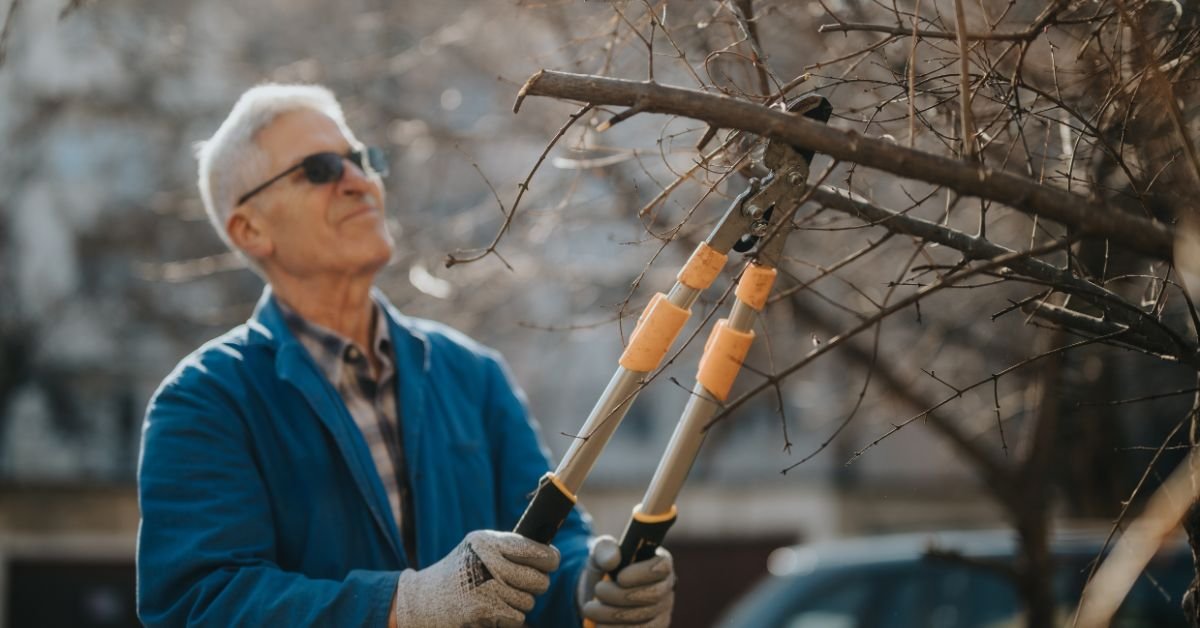
The main reasons to prune trees are safety, health, and aesthetics. Pruning a tree means making cuts that preserve the branch collar so wounds can seal properly. For many nonflowering trees, it’s best to prune them during dormancy, when structure is easier to see, and wound closure can begin in the growing season. If the tree has branches that are dead, damaged, or diseased, homeowners should remove them promptly whenever they notice them.
For homeowners, that means the best pruning is selective and intentional. Remove deadwood, improve clearance where limbs interfere with walkways or roofs, and address weak branch unions before they become larger structural issues. Homeowners should also avoid topping, which removes large portions of the canopy and can trigger weak regrowth.
Trim with a Clear Goal
When appearance is the priority, trimming still needs restraint. The aim should be to preserve the natural form of the tree rather than force it into a shape that does not suit its species. It’s best to trim a tree if its branches are getting too close to your home and presenting a danger, or the tree’s structure is becoming lopsided.
Watch For Seasonal Changes
Tree care becomes easier when you treat each season as a checkpoint. In spring, look for winter damage, broken limbs, and signs of new growth. In summer, monitor moisture stress and inspect leaves for discoloration or dieback. In the fall, prepare younger trees for colder weather with adequate watering before the ground freezes in colder climates. In winter, use the bare canopy as a chance to spot crossing branches, structural imbalance, or rubbing limbs that foliage hid.
This seasonal rhythm helps homeowners catch issues earlier. A branch that seems minor in spring can become a hazard during storm season. A shallow mulch ring that dries out in June can stress a young tree in August.
Protect Trees from Everyday Landscape Damage
Not every tree problem starts with insects, disease, or weather. Lawn equipment causes a surprising amount of avoidable damage. String trimmers and mowers can wound bark at the base of the trunk, which creates openings for decay and disrupts the tree’s ability to move water and nutrients. A mulch ring helps here, too, because it creates a buffer between the trunk and routine yard work.
Construction and grade changes can also stress mature trees. Even a beautiful renovation can damage roots if it compacts the soil over the root zone or if excavation takes place too close to the trunk. When planning a landscape project near valuable trees, it’s best to bring in a certified arborist early to protect the features that give the property its character.
Know When to Call a Professional
Some tree care tasks suit a homeowner, especially watering, mulching, visual inspections, and light cleanup of very small branches. Once ladders, climbing, large limbs, storm damage, or work near utility lines enter the picture, professional help becomes the safer choice. If you need to do any large-tree work or trim or prune branches near power lines, you should let a professional arborist handle the work safely.
Professional evaluation also helps when a tree leans suddenly, loses major limbs, shows repeated dieback, or develops fungal growth at the base. Certified arborists prioritize preservation when possible and use removal as a last resort when safety or tree condition leaves no better option.
Make Tree Care Part of Your Landscape Routine
The best tree maintenance plan for homeowners is not elaborate; it is consistent. Water deeply when necessary, keep mulch broad and shallow, prune with purpose, watch the tree through the seasons, and protect the trunk and root zone from unnecessary stress. When a problem looks bigger than a weekend project, bring in qualified guidance.
A well-kept tree rewards that attention in ways that go beyond curb appeal. It helps a home feel grounded, welcoming, and connected to the landscape around it. For a travel- and lifestyle-minded reader, that may be the most appealing part of all: a beautiful home setting that feels every bit as inviting as a favorite destination.
Image Credentials: by qunica.com, #184034623