
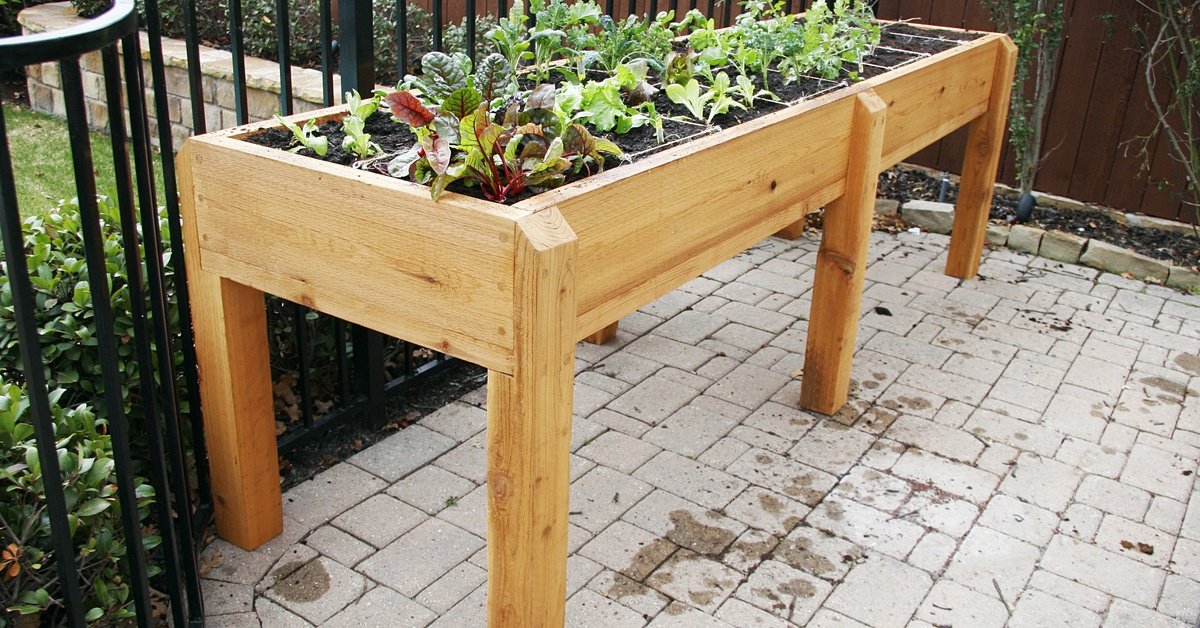
A thriving garden starts with the right setup, and raised beds offer a practical path toward healthier plants and a more enjoyable gardening experience. If you’re ready to grow vegetables, herbs, berries, or flowers with greater control over your space, raised beds deserve a spot in your landscape. Decide how to design your setup by reading our top reasons to use raised beds in your garden.
Better Soil Quality From Day One
One of the biggest advantages of raised beds comes from the soil itself. Instead of working with heavy clay, rocky ground, or compacted dirt, you can fill raised beds with a rich blend tailored to your plants. Tomatoes, blueberries, herbs, and leafy greens all thrive in soil that suits their needs.
This level of control allows roots to spread more freely. Plants gain access to air, moisture, and nutrients with less resistance. As a result, many gardeners notice stronger growth and healthier harvests throughout the season.
Improved Drainage
Poor drainage creates plenty of frustration. Waterlogged soil leads to weak root systems and plant decline. Raised beds help excess moisture move away from roots more efficiently.
After a heavy rain, the soil inside a raised bed usually dries faster than surrounding ground. This creates a more stable environment for vegetables, fruit plants, and flowers. Gardeners in regions with clay-heavy soil frequently appreciate this benefit.
Easier Access and Less Physical Strain
Relying on raised beds is one of the best tips for creating a low-maintenance edible garden. Gardening should feel rewarding, not exhausting. Raised beds bring plants closer to a comfortable working height, reducing the need for constant bending and kneeling. Routine tasks such as planting, pruning, harvesting, and weed removal become easier on the body with this setup. For older homeowners or anyone with mobility concerns, this extra comfort can transform gardening from a chore into a favorite pastime.
Fewer Weed Problems
Weeds compete with vegetables for water and nutrients. In a traditional garden, they can spread quickly and take over large sections of the growing area. Raised beds help limit this problem. Fresh garden soil contains fewer weed seeds than many existing yard soils. The defined growing space also makes unwanted plants easier to spot and remove before they spread. A layer of mulch can further reduce weed pressure. With less competition around your crops, vegetables have more resources available for healthy development.
Longer Growing Opportunities
Soil inside raised beds tends to warm up earlier in the spring. Warmer soil can help gardeners get a head start on seasonal planting. Early crops such as spinach, kale, and lettuce may establish themselves sooner than they would in a conventional plot. Later in the year, raised beds also drain more quickly after cool-season rains, creating favorable conditions for fall vegetables. For vegan gardeners who enjoy a steady supply of fresh produce, those extra weeks can add valuable harvest time throughout the year.
Better Protection From Soil Compaction
Compacted soil restricts root development and limits airflow below the surface. Traditional gardens frequently encounter this issue because people walk directly on the growing area. Raised beds solve much of this problem. Since gardeners remain on pathways around the beds, the soil stays loose and crumbly. Plant roots can spread more freely and access nutrients more effectively.
Think of the difference between walking across a lawn every day and leaving a section untouched. The untouched area generally remains softer and more receptive to plant growth. Raised beds apply that same concept to vegetable gardening.
Cleaner Harvests
Anyone who has pulled carrots from muddy ground after a rainstorm understands the appeal of cleaner harvests. Raised beds help produce reside farther from standing water and splashing soil. Leafy greens, strawberries, and herbs benefit from cleaner growing conditions. Harvest baskets tend to contain less dirt, and produce usually requires less cleanup before it reaches the kitchen. That convenience may seem small at first, but it becomes highly appreciated during peak harvest season when fresh vegetables arrive daily.
Attractive Garden Design
Raised beds bring structure and visual appeal to outdoor spaces. The clean lines create a neat appearance that complements many landscape styles.
Wood, stone, and metal materials each offer a different aesthetic. Some gardeners arrange multiple beds in geometric layouts with pathways between them.
Others install a single raised bed near a patio for convenient access. The result is a productive garden that also contributes to the overall appearance of the property. Function and beauty can coexist in the same space.
Reduced Pest Issues
Ground-dwelling pests can create problems in vegetable gardens. Slugs, certain insects, and other unwanted visitors have an easier path into traditional plots that sit directly at soil level. Raised beds add a small barrier between crops and some of these pests.
Although no garden is completely pest-free, many gardeners should notice fewer issues after switching to raised beds. Protective covers and fencing also attach more easily to a defined bed structure. For gardeners who grow leafy greens, berries, or other vegan kitchen staples, that extra layer of protection can help preserve more of the harvest.
Easier Crop Rotation and Organization
A productive vegetable garden benefits from good planning. Raised beds make it much easier to organize crops and rotate them from season to season. One bed can hold tomatoes and peppers, another can support leafy greens, and a third can house root vegetables.
This setup helps gardeners keep track of planting schedules and soil needs without confusion. Clear organization also creates a tidier appearance. When every crop has its own designated area, routine maintenance becomes much more manageable throughout the growing season.
Better Space Management
Another big reason to use raised beds in your garden is to maximize your space. Raised beds bring structure to a garden. Defined planting areas create a tidy appearance and help gardeners organize crops more effectively.
For example, one bed might hold strawberries, another could support peppers and tomatoes, and a third might house herbs. This arrangement promotes easier crop rotation and helps prevent overcrowding. Even smaller yards can support impressive harvests when space receives thoughtful use.
If you’re planning a new garden or refreshing an existing one, consider adding raised beds to your outdoor space. Pair them with fruit trees, berry bushes, vegetables, or flowering plants, and you’ll enjoy the rewards season after season.
Image Credentials: By mwoyak, File # 64933111