
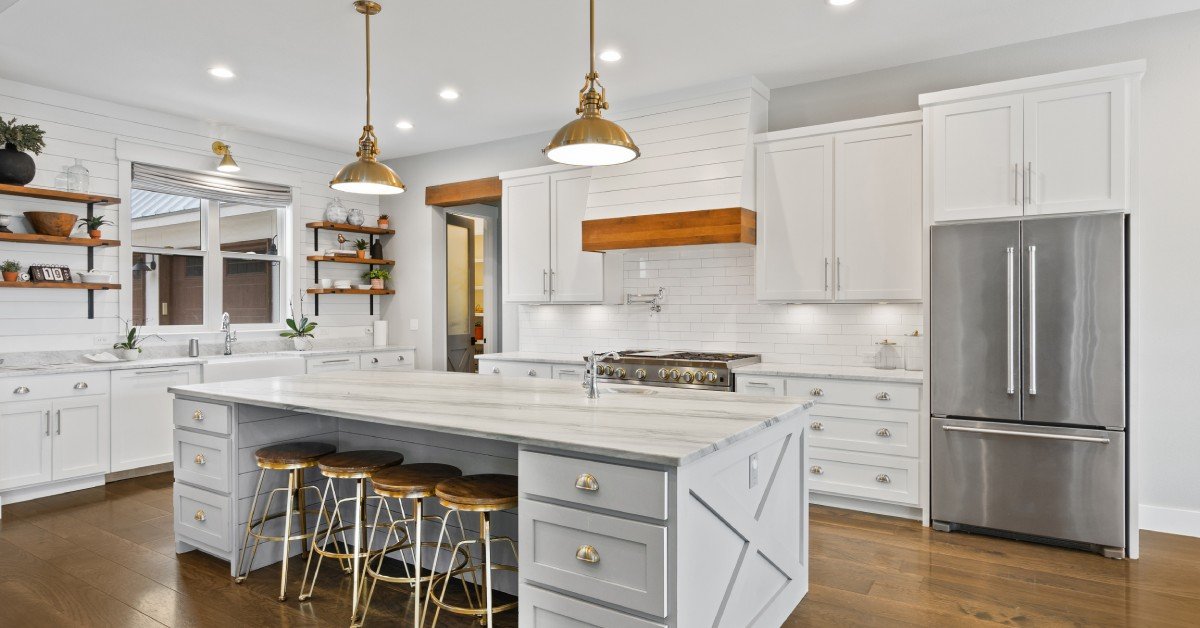
A farmhouse kitchen offers a warm, inviting atmosphere that combines rustic charm with modern convenience, making it a beloved style for many homeowners. This design blends natural materials and simple aesthetics to imbue homes with character. Use these essential design tips to create a charming farmhouse kitchen where family and friends can gather comfortably.
Start with a Neutral Palette
A hallmark of farmhouse design is a light and airy color scheme that feels clean and spacious. White, cream, beige, and light gray create a perfect backdrop, allowing other design elements to stand out. These neutral tones reflect light beautifully, which makes the kitchen feel larger and more welcoming.
Additionally, a neutral base provides incredible versatility for adding pops of color through accessories and decor. You can introduce subtle hues like soft blues, sage greens, or buttery yellows on accent pieces without overwhelming the space. You can easily update your kitchen’s appearance with seasonal changes or new trends.
Choose Natural Wood Elements
Incorporating natural wood is integral to an authentic farmhouse look. Exposed ceiling beams, hardwood floors, and butcher block countertops add warmth and texture to the kitchen. These elements bring a touch of the outdoors inside, grounding the space with an organic, rustic feel.
You can also use wood for open shelving, which provides both storage and a place to display charming dishware or decor. The farmhouse aesthetic celebrates the beauty of natural materials, and the grain and imperfections in wood contribute to the room’s character. A wooden island countertop, for example, becomes a functional centerpiece that exudes rustic elegance.
Select the Right Cabinetry Style
Cabinetry is a dominant feature in any kitchen, and the right style is crucial for a farmhouse aesthetic. Shaker-style cabinets, known for their clean lines and simple recessed panel doors, are an excellent choice. Their unadorned look provides a timeless quality that complements the rustic simplicity of farmhouse design.
For a more weathered, lived-in feel, consider styling a kitchen with distressed cabinets. This style uses techniques that give new cabinets an aged appearance, adding a sense of history. This look pairs perfectly with vintage hardware to complete the authentic farmhouse vibe.
Install a Classic Farmhouse Sink
The apron-front sink is an iconic element of farmhouse kitchens. Originally meant to provide ergonomic comfort for long hours spent at the sink, it now serves as a stylish focal point. Its deep, wide basin is practical for washing large pots and pans, blending functionality with classic form.
Apron-front sinks are available in various materials, including traditional fireclay, stainless steel, and copper. A crisp white fireclay sink remains the most popular choice. Stainless steel apron-front sinks offer a sleek twist on the classic design and are highly durable, making them ideal for busy kitchens. Copper sinks, on the other hand, bring a warm, rustic charm and develop a unique patina over time.
Faucet Tips
The faucet you choose can make it easier for you to fill tall pots, wash dishes, and prep food. A gooseneck faucet offers a sleek, elevated design that pairs beautifully with apron-front sinks. Unique finishes such as weathered steel or brushed pewter can add depth and character to the space. Look for practical features like swivel spouts or dual spray options to make daily tasks easier.
Embrace Open Shelving and Displays
Open shelving is a practical and stylish way to capture the accessible, utilitarian spirit of a farmhouse kitchen. It breaks up the monotony of solid cabinet doors and creates opportunities for curated displays. You can use these shelves to show off everyday dishes, glassware, and unique decorative items.
A display that feels both functional and thoughtfully composed adds personality to your kitchen walls. Arrange items neatly, mixing in personal touches like small plants, cookbooks, or vintage finds.
Curating Your Shelves
Curating your open shelves is an art that balances accessibility with aesthetics. A good strategy is to place your most frequently used items, like everyday plates and glasses, on the lower, easier-to-reach shelves. Additionally, you can group items by color or material to create a cohesive arrangement that draws the eye. Avoid overcrowding your shelves, as this can make the space feel cluttered and overwhelming.
Mix and Match Materials
A key to creating an authentic farmhouse feel is to avoid a look that is too uniform or “matchy-matchy.” Instead, embrace a mix of materials to add depth and visual interest. This technique creates a layered look in which items appear to have been collected over time.
Here are a few ideas for mixing materials:
- Pair a marble countertop on your main cabinets with a butcher block top on the island.
- Combine stainless steel appliances with a vintage-style copper range hood.
- Use different metals for your hardware, such as oil-rubbed bronze pulls and a brushed nickel faucet.
- Incorporate reclaimed wood for shelving alongside painted Shaker cabinets.
- Lay a natural fiber rug, like jute or sisal, over hardwood or tile flooring.
Focus on Practical Lighting Fixtures
Versatile lighting improves the kitchen’s practicality and ambience. Look for fixtures that combine rustic materials with simple, functional designs. Pendant lights with metal shades, vintage-inspired schoolhouse lights, or even a simple chandelier can become a beautiful focal point over an island or dining area.
Beyond statement fixtures, you should also incorporate practical task lighting under cabinets to illuminate your workspaces. Wall sconces with an industrial or barn-style design can add another layer of light and charm. A mix of ambient, task, and accent lighting will make your kitchen functional and inviting.
Add Softness With Textiles
Textiles add softness, color, and pattern to balance the hard surfaces common in a kitchen. Simple additions can make your space feel cozier and more complete. These fabrics provide an easy way to introduce personality without committing to a permanent design choice.
Consider these textiles to add warmth and charm to your kitchen:
- A simple striped or plaid runner on the floor.
- Cafe curtains or a Roman shade in a classic pattern like gingham or floral.
- Linen or cotton dish towels hanging from the oven handle or sink.
- Cushioned pads for bar stools or a dining nook bench.
- A rustic tablecloth for your kitchen table to add a homey touch.
These essential design tips create a farmhouse kitchen that combines cozy, rustic elements with practical, modern touches. By incorporating natural wood, mixing materials, and adding personal touches over time, you can achieve this timeless style. Features like distressed cabinets and open shelving add character and functionality to the space. With these thoughtful choices, your kitchen will become a welcoming hub for family and friends.
Image Credit: Allison, #557034812