
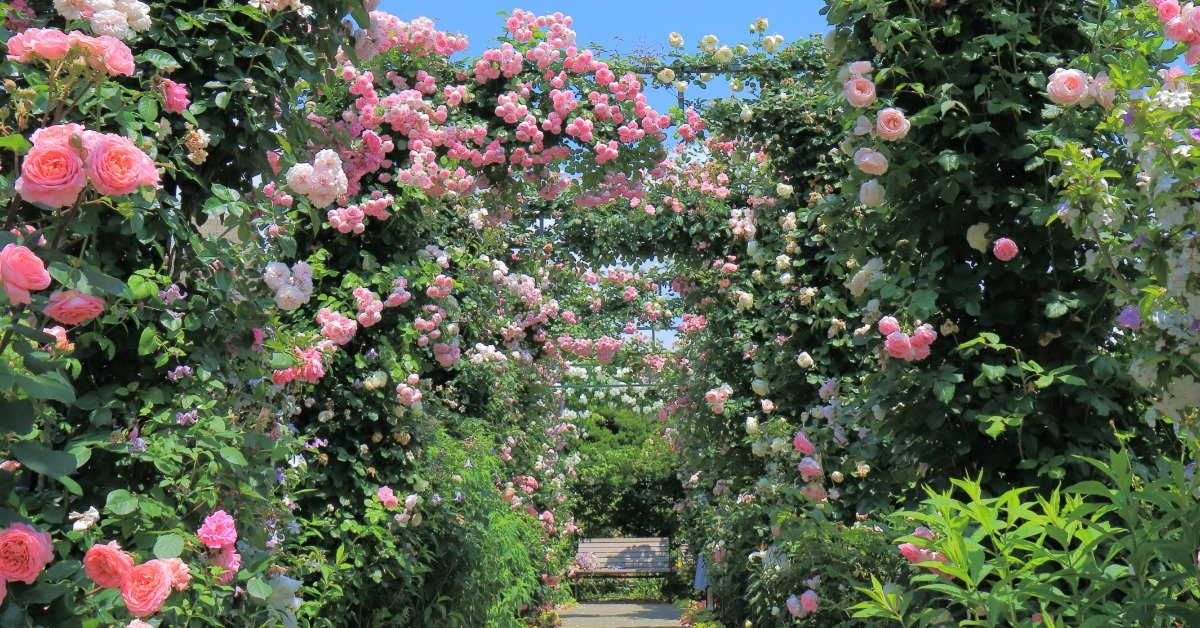
Some vacations revolve around famous landmarks, crowded attractions, and tightly scheduled sightseeing. Others invite travelers to slow down, explore beautiful surroundings, and discover destinations through experiences that feel genuinely restorative. For anyone seeking a refreshing alternative to conventional itineraries, why garden tourism is worth exploring in 2027 comes down to the growing appeal of meaningful travel, natural beauty, and cultural discovery.
Garden tourism offers more than an opportunity to admire colorful flowers. Botanical gardens, historic estates, and carefully preserved landscapes reveal fascinating connections between local history, artistic traditions, and environmental conservation. Whether you’re planning an international adventure or a relaxing weekend getaway, these destinations can transform an ordinary vacation into something memorable.
Discover a Different Side of Popular Destinations
Major cities attract visitors through celebrated museums, restaurants, and architectural landmarks. However, their gardens often provide equally compelling experiences without demanding an entire day of sightseeing. Exploring these spaces allows travelers to discover quieter corners of otherwise bustling destinations.
Consider London’s Royal Botanic Gardens, Kew, where extensive plant collections and historic landscapes introduce visitors to botanical research and conservation. In Paris, the Jardin des Plantes combines landscaped grounds with scientific and cultural attractions. Both destinations offer opportunities to experience familiar cities from an entirely different perspective.
Explore Japan’s Extraordinary Garden Traditions
Japan offers some of the world’s most recognizable garden landscapes, making it an excellent destination for nature-focused travelers. Traditional Japanese gardens emphasize carefully composed scenery, seasonal changes, and thoughtful relationships between natural elements. Visitors can experience these design principles through historic sites across the country.
Kyoto’s temple gardens provide particularly memorable examples of Japanese landscape traditions. Carefully arranged stones, moss-covered grounds, and tranquil ponds create environments that encourage quiet observation. Many gardens also reflect centuries of religious and cultural influences.
Experience Europe’s Most Beautiful Historic Gardens
European gardens often reflect the artistic preferences and cultural ambitions of earlier generations. Grand estates feature elaborate terraces, sculpted hedges, and ornamental fountains that reveal how landscape design evolved alongside architecture. Visiting these properties offers an engaging way to explore regional history.
France’s Palace of Versailles remains famous for its formal gardens and impressive geometric arrangements. Italy’s Villa d’Este in Tivoli attracts visitors with Renaissance-era landscaping and elaborate water features. Both destinations demonstrate how gardens can become cultural landmarks in their own right.
Why Historic Trees Make Gardens So Fascinating
Mature trees often provide the defining character of historic gardens. Their expansive canopies create natural gathering spaces, while their remarkable longevity connects present-day visitors with earlier generations. Some botanical collections also preserve rare species that offer valuable opportunities for education and conservation.
Maintaining these landscapes requires careful attention to the relationship between aging trees and surrounding pathways. For example, old tree roots create grade-level sinkholes in certain circumstances when root decay or associated underground changes leave unsupported areas beneath walking surfaces. Garden caretakers monitor these conditions to preserve historic landscapes while supporting visitor safety.
Plan Your Trip Around Seasonal Highlights
One of garden tourism’s greatest attractions involves the way destinations change throughout the year. Spring brings flowering trees and colorful bulbs, while summer showcases lush landscapes and extended daylight. Autumn introduces dramatic foliage, and winter reveals architectural details that dense greenery sometimes conceals.
Travelers can plan memorable experiences around seasonal attractions, such as:
- Spring blossoms in Japan: Explore cherry blossom displays and traditional garden landscapes.
- Summer gardens in England: Visit renowned estates during peak flowering periods.
- Tulip season in the Netherlands: Discover colorful displays at Keukenhof during its seasonal opening.
- Autumn foliage in New England: Combine garden visits with scenic drives and historic towns.
- Winter gardens in warmer climates: Enjoy botanical collections in destinations with mild seasonal temperatures.
Flowering periods vary according to weather and regional conditions, so travelers should verify seasonal schedules before booking. Popular destinations may also require advance reservations during peak periods. Planning ahead helps visitors enjoy their preferred experiences without unnecessary scheduling complications.
Combine Garden Visits With Culinary Experiences
Garden tourism pairs naturally with culinary travel because both celebrate regional ingredients and cultural traditions. Many botanical destinations sit near excellent restaurants, local markets, and agricultural communities. Travelers can build enjoyable itineraries that connect beautiful landscapes with memorable meals.
In Italy, visits to historic villas can complement countryside dining and regional wine experiences. England offers opportunities to combine garden tours with traditional afternoon tea. Japanese destinations frequently provide access to seasonal cuisine that reflects the same appreciation for natural changes found in traditional gardens.
Discover the Wellness Benefits of Slower Travel
Modern travel sometimes creates pressure to visit as many attractions as possible. Garden tourism encourages a different approach by making the experience itself more important than the number of stops. Walking through peaceful landscapes offers opportunities to disconnect from demanding schedules.
Research suggests that spending time in natural environments can support psychological well-being and reduce perceived stress. Gardens provide accessible opportunities to enjoy greenery, gentle movement, and quiet reflection. Individual experiences vary, but many travelers appreciate the calming atmosphere these spaces provide.
Find Remarkable Gardens Closer to Home
International destinations offer extraordinary experiences, but American travelers can discover impressive gardens without crossing an ocean. The United States features botanical collections, historic estates, and regional landscapes that showcase remarkable environmental diversity. Many destinations also offer educational programs and seasonal exhibitions.
Longwood Gardens in Pennsylvania attracts visitors with extensive displays and carefully designed landscapes. The Desert Botanical Garden in Phoenix introduces travelers to desert ecosystems through striking plant collections. California’s Huntington Botanical Gardens provide another distinctive experience through themed landscapes and cultural attractions.
Make Garden Tourism Part of Your 2027 Travel Plans
Garden-focused travel offers considerable flexibility for different interests, budgets, and vacation styles. Some visitors enjoy guided botanical tours, while others prefer exploring independently and photographing seasonal scenery. Families, couples, and solo travelers can all find experiences that suit their preferences.
When planning a garden tourism adventure in 2027, consider destinations that combine natural beauty with cultural attractions and regional cuisine. Review opening schedules, accessibility information, and seasonal highlights before finalizing your itinerary. With thoughtful planning, garden tourism can introduce a more relaxed, inspiring way to experience familiar places and discover extraordinary new ones.
Image Credentials: #197140080 by Tktktk