
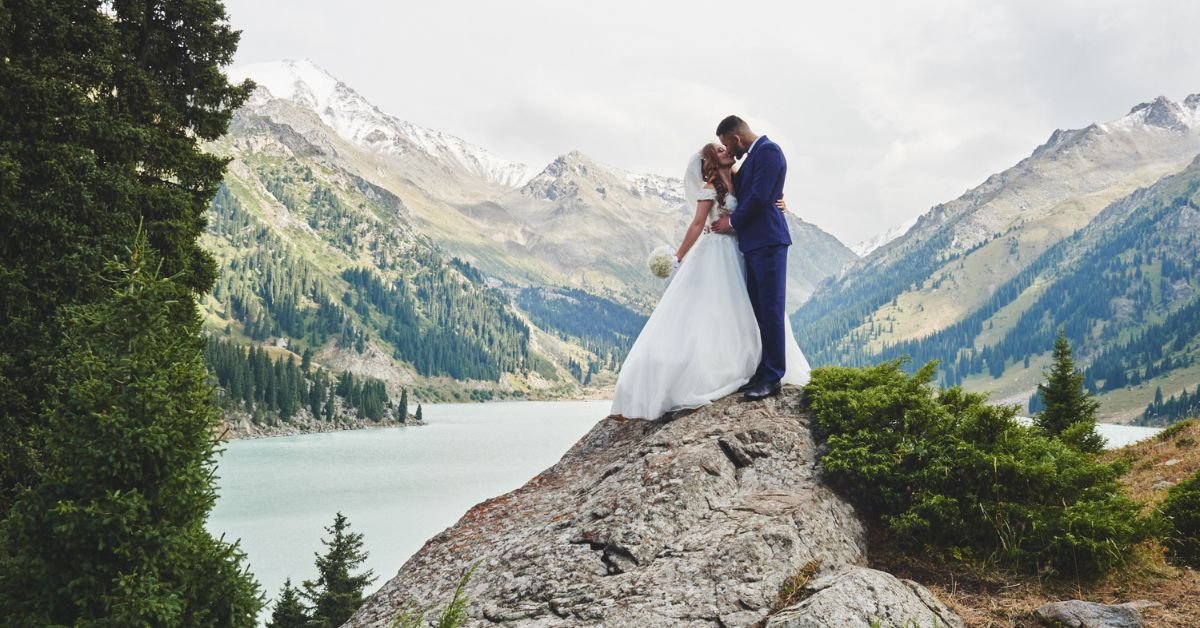
Exchanging vows amidst towering peaks and sweeping valleys creates a breathtaking experience that standard venues cannot compete with. However, the rugged beauty of high-altitude locations demands meticulous organization to prevent headaches on the big day. A detailed plan that covers the logistics and follows your aesthetic will make your mountain destination wedding a dream come true.
Scouting the Ideal Summit Location
Finding the right spot involves looking beyond the panoramic views to evaluate practical necessities. You need a site that balances visual splendor with accessibility for vendors and guests alike. Visit potential venues during the same season you plan to marry to gauge the conditions. The visit allows you to see the true water levels, foliage density, and snow line.
Assessing Accessibility
Remote mountaintops impress visitors but pose difficulties for elderly relatives or those with mobility limitations. Verify that paved paths or sturdy gravel walkways connect the parking area to the ceremony site.
If the terrain is rough, rent golf carts or arrange for off-road shuttles to transport attendees comfortably. Your loved ones will appreciate the effortless journey to your chosen overlook.
Evaluating Infrastructure
Many scenic spots lack basic amenities such as running water and restrooms. If you choose a raw land venue, you must bring in luxury portable restrooms and handwashing stations.
Check for flat ground suitable for setting up tables and dance floors. A level surface prevents chairs from sinking into the earth and keeps wine glasses steady.
Weatherproofing the Celebration
Alpine climates are notoriously unpredictable, often shifting from sunshine to thunderstorms in minutes. A clear-top tent allows you to maintain the stunning views while shielding the party from wind or rain. Secure marquee rentals well in advance, as local suppliers in small towns usually have limited inventory.
Wind Considerations
Gusts sweep through valleys and over ridges with surprising force, impacting everything from hairstyles to table settings. Choose weighted bases for floral arrangements and sturdy frames for signage. Advise your hair and makeup team to use strong-hold products to combat the breeze. Preparing for wind keeps your design elements exactly where you placed them.
Sun Protection
The sun strikes with more intensity at high altitudes due to the thinner atmosphere. UV rays burn skin faster, even on cloudy days. Set up shaded lounge areas with umbrellas or canvas sails. For additional protection, offer your guests small bottles of sunscreen in their welcome baskets.
Curating the Aesthetic
Designing a mountain wedding requires a delicate balance between elegance and nature. The goal is to complement the surroundings rather than compete with them. Use local wildflowers, greenery, and wood elements to tie the decor into the landscape. It will form an effortless transition from the venue to the wilderness beyond.
Illuminating the Night
As darkness falls in remote areas, string lights, lanterns, and candles will create the much-needed magical glow. Ensure all walkways have sufficient illumination to prevent tripping hazards on uneven ground. Fire pits offer both light and warmth, serving as a natural gathering point for conversation.
Appropriate Wedding Party Attire
Fashion choices should align with the terrain to keep everyone looking good and feeling comfortable. Groomsmen might prefer breathable fabrics, like tweed or linen, over heavy tuxedos.
The bridal party typically wears heels and long gowns. Stilettos sink into grass and dirt, so recommend block heels, wedges, or dressy boots for women. When selecting bridesmaid dresses for a destination wedding, aim for breathable fabrics and longer hemlines that won’t fly up in a sudden breeze.
As the bride, you might want to adorn a long veil, but it could catch on twigs or blow wildly in the wind. A floral crown or additional hair pins could be beautiful, practical alternatives.
Managing Vendor Logistics
Operating a full-scale event in the wilderness demands self-sufficiency from your service providers. Caterers need access to potable water and electricity for cooking equipment. Ask potential vendors if they have experience working in off-grid or remote settings. Experienced professionals handle logistical curveballs with ease.
Power Supply Solutions
Standard outlets rarely exist in the middle of a meadow or forest clearing. Renting quiet, high-capacity generators provides necessary juice for DJ equipment, lighting, and kitchen appliances. Conceal these units behind bushes or screens to dampen any humming noise. Reliable power keeps the music playing and the food hot without interruption.
Local vs. Travel Vendors
Hiring local vendors supports the community and reduces travel fees, but small mountain towns might have fewer options. Flying in photographers or planners from major cities opens up your choices but increases costs. Weigh the benefits of local knowledge against the specific style you desire. Locals know exactly when the light hits the peaks perfectly.
Navigating Legalities and Rules
National parks and forests enforce strict regulations to protect the delicate ecosystem. You must obtain special permits months before the big day to secure the spot legally. Review noise ordinances carefully if you plan to have a live band or loud music outdoors. Respecting local statutes prevents fines and interruptions from rangers.
Leave No Trace Principles
Minimize your ecological footprint by adhering to sustainable practices throughout the event. Skip the confetti or rice toss in favor of waving ribbons, ringing bells, or using fallen leaves. Hire a cleanup crew to sweep the site for any trash or debris immediately after the party. Preserving nature allows future couples to enjoy the same pristine beauty.
Crafting the Timeline
The sun disappears behind peaks earlier than the actual sunset time listed on weather apps. Schedule your ceremony an hour or two before the mountain sunset to capture the best light.
Golden hour happens faster in the valleys, so move quickly for portraits. Adjusting your schedule maximizes the natural beauty you traveled many miles to see.
Buffer Time
Travel on winding mountain roads takes longer than on flat highways. Add extra buffer time between the ceremony and reception for guest transport. Account for potential traffic delays caused by wildlife crossings or slow-moving vehicles. A relaxed schedule prevents stress if things run slightly behind.
Marry Your Love in a Magical Mountain Setting
The mountains provide the view; you provide the unforgettable memories. Embracing the wild nature of the setting requires flexibility and detailed organization. By following this advice for planning the perfect mountain destination wedding, you build a celebration that honors both your love and the majestic landscape.
Feature photo by amixstudio via Adobe Stock