

Owning a pool in Texas offers endless enjoyment, relaxation, and a perfect escape from the heat. The unique climate of the Lone Star State presents specific obstacles for pool maintenance and care. Temperatures fluctuate wildly throughout the year, causing stress on equipment and chemical balance within the water.
Texas pool owners must remain vigilant against these seasonal shifts to protect their significant backyard investment. Neglect leads to expensive repairs that you can avoid with consistent attention and preventative action.
Understanding the top seasonal challenges for Texas pool owners will make the difference between a pristine oasis and a green, unusable swamp in your backyard. Successful ownership requires knowledge, dedication, and a proactive approach to every season the state experiences.
Extreme Heat Impact
Texas summers bring relentless heat that causes water levels to drop significantly through rapid evaporation rates. Owners must add water frequently to maintain the proper level for skimmers and pumps to function. Low water levels risk burning out pump motors when they suck air into the filtration system.
The intense ultraviolet rays from the sun deplete chlorine levels much faster than in cooler climates. You must test the water chemistry more often to ensure sanitation remains effective against harmful bacteria. A stabilizer helps protect chlorine from the sun, but high levels can lock the sanitizer completely.
Algae Growth Spikes
Warm water creates the perfect environment for algae to bloom and turn your pool green overnight. Spores enter the water through wind and rain, taking hold quickly when sanitizer levels drop low. Regular brushing of walls and floors prevents these spores from attaching to the pool’s porous surfaces.
Mustard algae resists normal chlorine levels and requires specific treatments to eradicate it from the water completely. Black algae forms deep roots in plaster and proves extremely difficult to remove without aggressive scrubbing. Shock treatments oxidize organic contaminants and help restore water clarity after an algae bloom takes hold.
Sudden Winter Freezes
Texas winters are unpredictable and can bring sudden drops in temperature that freeze exposed pool pipes. Water expands when it freezes, which causes PVC pipes and expensive pump housings to crack open. You must run the equipment continuously when temperatures approach the freezing point to keep water moving.
Many modern systems include freeze protection sensors that turn pumps on automatically when air gets cold. Power outages during winter storms pose a severe threat because equipment cannot circulate the warm water. Understanding the common winter pool problems and how to fix them will ensure your environment remains safe.
Heavy Spring Pollen
Spring in Texas covers everything in a thick layer of yellow pollen that coats pool surfaces. This organic matter feeds algae and consumes chlorine rapidly, making water balance difficult to maintain consistently. You should run the filter for longer cycles to remove the fine particles from the water.
Skimmer baskets fill up quickly with oak catkins and other debris that fall from nearby trees. Clogged baskets restrict water flow and strain the pump, reducing its ability to circulate water effectively. Regular cleaning of these baskets prevents damage and ensures the filtration system operates at peak efficiency.
Variable Chemical Balance
Rainstorms dilute the pool water and alter the pH and alkalinity levels within a short time. Acid rain lowers the pH, which can corrode metal components and irritate swimmers’ eyes and skin. You must test the water after every significant rainfall to adjust chemicals back to ideal ranges.
High pH levels cause calcium to precipitate out of the water and form scale on surfaces. This scale feels rough to the touch and looks unsightly on the tile line and spillways. Keeping pH in check protects the plaster finish and extends the life of your pool equipment.
Hard Water Issues
Texas has some of the hardest water in the country, which complicates standard pool chemistry management. High calcium hardness levels lead to cloudy water and scale formation on heaters and salt cells. You cannot lower calcium hardness easily without draining some water and refilling with a softer source.
Scale buildup reduces the efficiency of pool heaters and can cause them to fail prematurely. Salt chlorinators require regular acid cleaning to remove calcium deposits that form on the electrolytic plates. Monitoring calcium levels prevents costly damage to the expensive components that keep your pool running smoothly.
Storm Debris Management
One of the hardest seasonal challenges for pool owners in Texas is severe thunderstorms because they bring high winds that blow leaves, dirt, and branches into the pool very quickly. This debris creates a heavy load for the cleaning system and can jam the automatic cleaner. You must remove large items manually with a net before they sink and stain the plaster.
Dirt and dust wash into the pool from the deck and surrounding landscape during heavy downpours. This influx of solids clouds the water and requires the use of clarifiers or flocculants often. A clean deck prevents much of this runoff from entering the water during the storm season.
Equipment Strain Factors
The long swim season in Texas means pool equipment runs for more hours than in other regions. Pumps, filters, and heaters experience more wear and tear due to the extended operational demands placed on them. You should inspect all equipment regularly to catch small issues before they become major, expensive failures.
Heat takes a toll on the plastic components of pool equipment, causing them to become brittle. O-rings and seals dry out faster in the heat and require lubrication to prevent air leaks. Regular maintenance of these small parts extends the life of the entire filtration and circulation system.
Water Conservation Needs
Drought conditions often lead to water restrictions that limit how much you can fill your pool. You must fix leaks immediately to prevent water waste and comply with local municipal water regulations. A bucket test helps determine if water loss comes from evaporation or a leak in the structure.
Using a pool cover reduces evaporation significantly and helps retain heat during the cooler months experienced. Covers also keep debris out of the water, which reduces the need for backwashing the filter. Smart water management saves money and protects a vital resource during the dry Texas summer months.
Texas pool ownership demands a robust understanding of the specific challenges presented by the local environment. From the blistering heat of summer to the sudden, pipe-bursting freezes of winter, vigilance is mandatory. Successful maintenance routines must adapt to the seasonal shifts that dictate water chemistry and equipment needs.
Owners who anticipate these changes protect their investment and ensure the pool remains a safe retreat. Ignoring the signs of algae, scale, or equipment fatigue results in costly repairs and downtime often. The unique combination of hard water, extreme weather, and organic debris requires a proactive management strategy.
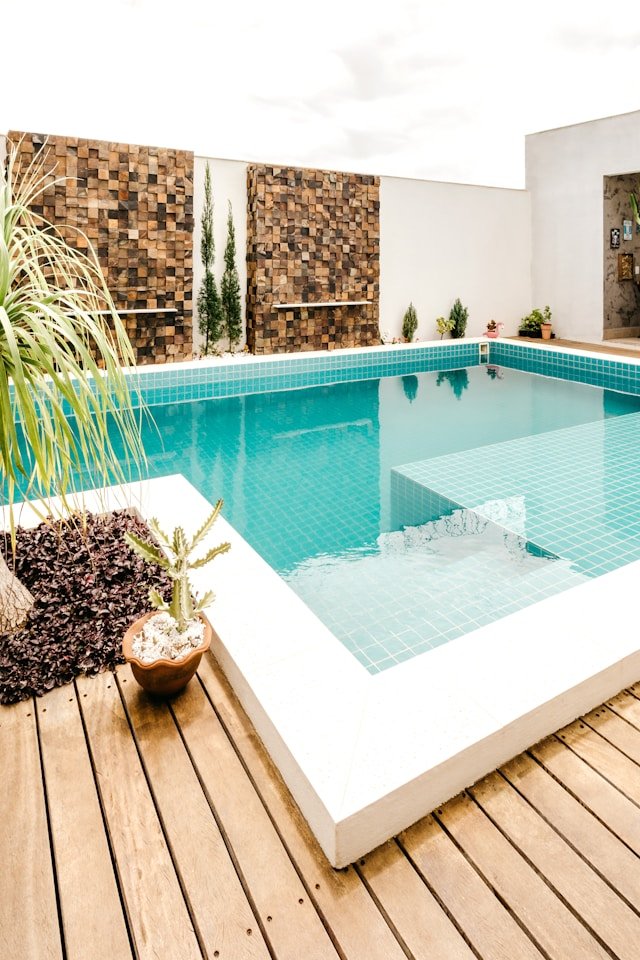
Feature Photo by Arturo Rivera on Unsplash