
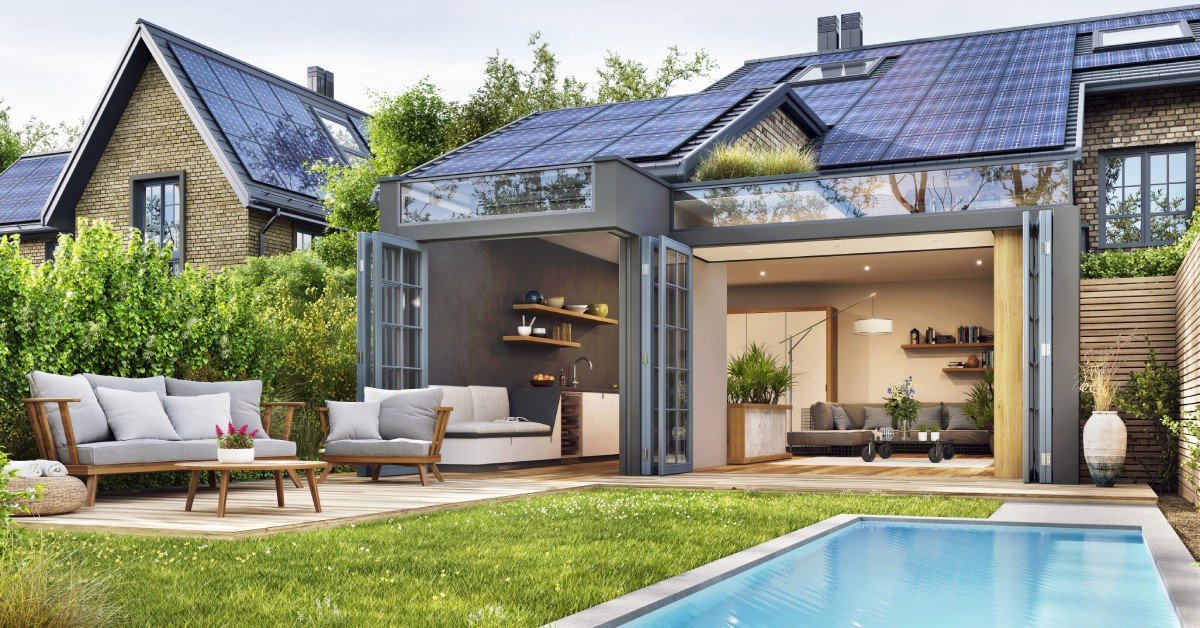
Designing a residence that perfectly balances opulence with ecological responsibility requires a thoughtful approach to every architectural and interior detail. You can achieve a sophisticated aesthetic while significantly reducing your environmental footprint through strategic upgrades and conscious material selection. Review these 11 tips for creating a home that embodies green living.
Invest in High-Performance Insulation
True luxury begins with comfort, and nothing disrupts the serenity of a home like drafts or fluctuating temperatures. High-performance insulation acts as the invisible guardian of your comfort and your home’s energy efficiency.
By upgrading to advanced insulation materials like spray foam or rigid foam boards, you create a thermal envelope that keeps conditioned air exactly where you want it. This investment drastically reduces the workload on your HVAC system, leading to lower energy consumption and a quieter interior environment. You will notice that rooms maintain a consistent temperature regardless of the weather outside, allowing you to enjoy your living spaces without constantly adjusting the thermostat.
Integrate Smart Home Energy Management
Automation transforms a standard house into an intuitive living space that responds to your needs while minimizing waste. A comprehensive smart home system allows you to monitor and control energy usage with precision from your smartphone or tablet.
You can program lighting scenes that automatically dim or turn off in empty rooms, so that you never waste electricity on unoccupied spaces. Smart thermostats learn your schedule and adjust temperatures to optimal eco-friendly settings while you are away, returning the home to your preferred comfort level right before you arrive. This seamless integration of technology provides effortless control over your carbon footprint.
Cultivate a Luxury Greenhouse
Bringing nature indoors or dedicating a structure to botanical pursuits adds a layer of refinement and sustainability to your estate. A personal greenhouse allows you to grow organic produce and exotic flowers year-round, reducing your reliance on grocery stores and their associated transportation emissions.
Make sure you research how to set up LED grow lights safely at home to promote vigorous growth. Additionally, this dedicated space can serve as a sanctuary for relaxation while providing your family with fresh, sustainable food.
Select Reclaimed and Sustainable Materials
Another tip for creating a home that embodies green living is to incorporate reclaimed or sustainable materials into your floors, countertops, and cabinetry. Reclaimed wood adds unmatched character and history to a room while reducing the need to cut down new trees.
Bamboo and cork offer rapidly renewable alternatives to traditional hardwoods, providing durability and unique visual textures that elevate your interior design. When selecting stone, look for locally sourced options to reduce the environmental cost of transportation. These choices infuse your home with a narrative of conservation and demonstrate that luxury and sustainability can coexist beautifully.
Install Solar Power with Battery Storage
Generating your own clean energy represents the pinnacle of self-sufficiency and modern luxury living. Installing a sleek, high-efficiency solar array lets you power your home with abundant solar energy. Pairing these panels with a robust battery storage system ensures that you have access to power even during grid outages or at night.
This setup also slashes your utility bills and insulates your household from energy price volatility. You gain energy independence while making a substantial contribution to a cleaner environment.
Upgrade to Energy-Efficient Windows
Windows serve as the eyes of your home, framing views and inviting natural light, but they can also be major sources of energy loss. Replacing older windows with double or triple-pane models featuring Low-E coatings significantly improves thermal performance.
These advanced windows reflect heat back into the room during winter and keep it out during summer, maintaining a stable indoor climate. They also protect your valuable art, furniture, and fabrics from sun damage by blocking harmful UV rays. The result is a brighter, more comfortable home that requires less energy to heat and cool.
Implement a Graywater System
Water conservation plays a crucial role in green living, especially for estates with extensive landscaping. A graywater system recycles water from sinks, showers, and laundry machines, treating it for reuse in garden irrigation.
This innovative approach drastically reduces your potable water consumption for non-drinking purposes. Your lush gardens and lawns can thrive even during dry spells without straining municipal water supplies. Implementing such a system demonstrates a deep respect for natural resources and intelligent home engineering.
Choose Low-VOC Paints and Finishes
The air quality inside your home directly impacts your health and well-being. Traditional paints and finishes often release volatile organic compounds (VOCs) into the air long after they dry, contributing to indoor pollution. Selecting premium low-VOC or zero-VOC paints ensures that your walls look stunning without compromising the air you breathe.
These eco-friendly formulations come in a vast array of rich colors and durable finishes, proving that you do not need to sacrifice style for safety. You create a healthier environment for your family and guests while supporting safer manufacturing practices.
Install a Geothermal Heating and Cooling System
For the ultimate in efficient climate control, look beneath the surface of your property. Geothermal systems utilize the constant temperature of the earth to heat and cool your home with remarkable efficiency.
Unlike traditional HVAC units that fight against fluctuating outdoor air temperatures, geothermal pumps exchange heat with the ground, using far less electricity. This technology operates quietly and requires minimal maintenance, offering a superior comfort experience. It represents a significant upfront investment that pays dividends in comfort, reliability, and environmental stewardship for decades.
Design for Natural Ventilation
Passive cooling techniques utilize the natural flow of air to keep your home comfortable without relying heavily on air conditioning. Architects can position windows and skylights to encourage cross-ventilation, drawing cool air in and pushing warm air out.
High ceilings and strategically placed fans further enhance the natural airflow, creating a breezy, fresh atmosphere. This thoughtful design approach connects you more closely with the outdoor environment. You reduce your energy consumption while enjoying the sensory pleasure of fresh air moving through your living spaces.
Curate Sustainable Furniture and Decor
The furnishings you select provide the final touch in your eco-conscious home. Look for pieces crafted by artisans who prioritize sustainable practices and ethical labor. Furniture made from FSC-certified wood, recycled metals, or upcycled materials adds a layer of conscious luxury to your interiors.
Choose upholstery fabrics made from organic cotton, linen, or wool, avoiding synthetic blends that rely on petrochemicals. Each piece becomes a conversation starter that reflects your values and supports a greener economy.
Creating a sustainable luxury home involves a holistic approach that touches every aspect of design and daily living. By integrating these 11 tips, you can elevate your standard of living while acting as a responsible steward of the environment. Your home stands as a testament to the fact that true elegance embraces the future of our planet.
Image Credit: slavun, #357557352