Modern home design emphasizes personal expression and functional adaptation to individual needs more than ever. Homeowners now seek environments that reflect their personalities, habits, and specific aesthetic preferences. Standardized layouts and mass-produced furniture often fail to meet the demands of contemporary life.
Instead, tailored solutions allow for spaces that evolve alongside the people who inhabit them daily. Customization transforms a mere house into a sanctuary designed specifically for its unique occupants. This shift represents a move away from generic trends toward timeless, personal authenticity.
Architects and designers now prioritize client collaboration to ensure every detail serves a purpose. From bespoke joinery to adjustable lighting systems, the options for personalization appear limitless today. The role of customization in modern home design ensures that a home functions as a true extension of the owner.
Defining the Modern Custom Aesthetic
Contemporary design rejects the notion that one style fits all preferences or lifestyles perfectly. True customization allows homeowners to blend various architectural influences into a cohesive visual statement. This approach creates spaces that feel curated rather than simply purchased from a catalog.
Personal taste drives the selection of materials, colors, and textures used throughout the home. Unique combinations of wood, metal, and stone can evoke specific moods and atmospheres effectively. Such tailored choices ensure the environment resonates deeply with those who live within it.
The Impact on Daily Functionality
Custom layouts prioritize how residents move through and use their spaces every day. Architects analyze traffic patterns to create floor plans that facilitate ease of movement, always to ensure a comfortable flow throughout the living space.
This level of detail eliminates common frustrations associated with poorly designed or generic homes. Storage solutions designed for specific items declutter living areas and streamline daily routines significantly.
Technology Integration and Smart Homes
Automated systems now allow for personalized control over almost every aspect of home environments. Residents can program lighting, temperature, and security to match their specific schedules and preferences. This integration enhances comfort while providing peace of mind through remote access capabilities.
Smart devices learn from user behavior to adjust settings automatically without manual input required. Customization here means technology serves the user subtly rather than demanding constant attention. These systems create a seamless experience where the home anticipates needs before they arise.
Sustainable Choices and Eco-Friendly Design
Custom homes allow owners to prioritize environmental responsibility through specific material and system selections. Solar panels, efficient insulation, and water recycling systems can easily integrate into the design. This proactive approach reduces the carbon footprint while lowering long-term utility costs for residents.
Local materials often feature heavily in custom projects to minimize transportation emissions and support economies. Designers select non-toxic finishes to ensure indoor air quality remains high for all occupants. Sustainability becomes a core value rather than an afterthought in these thoughtful construction projects.
Furniture Designed for Specific Spaces
Mass-produced furniture often fits awkwardly in unique rooms or wastes valuable floor space unnecessarily. Custom pieces utilize every inch of available area to provide maximum utility and comfort. This tailored approach ensures that furniture complements the architectural features rather than fighting them.
Bespoke sofas, tables, and built-ins fit perfectly for the intended room dimensions. Fabrics and finishes match the overall design scheme with precision. The result is a harmonious interior where every element feels intentional and perfectly placed.
The Evolution of the Kitchen
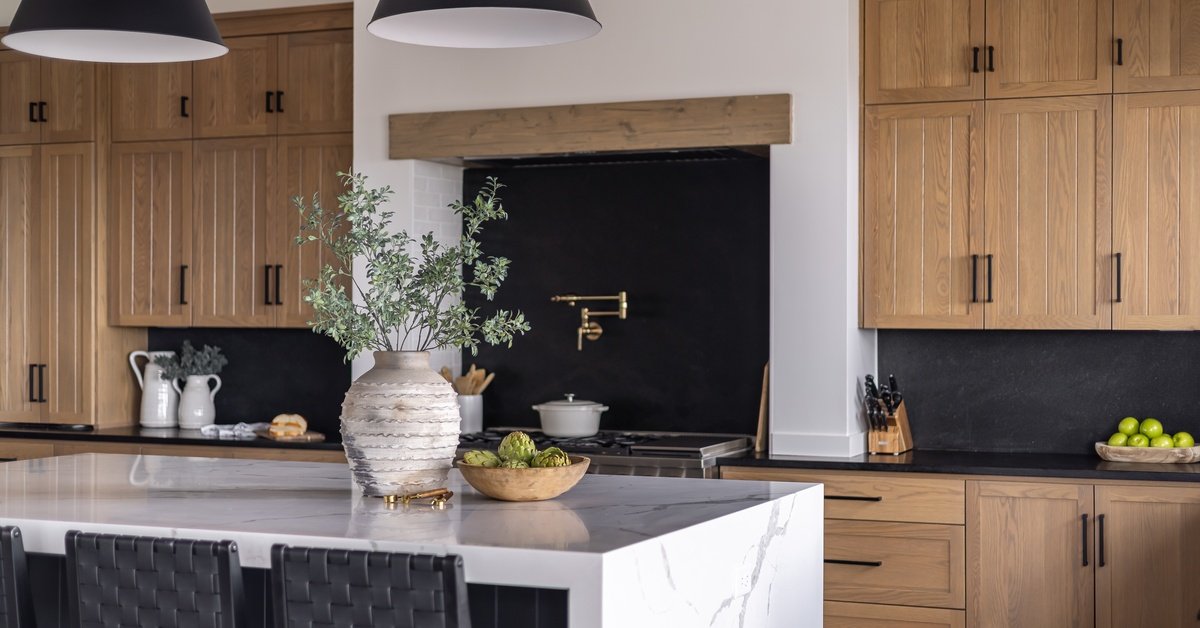
Kitchens have transformed from purely functional service areas into the social heart of modern homes. Custom designs allow for layouts that accommodate specific cooking habits and entertainment styles perfectly. Exploring the pros and cons of custom kitchen cabinets will ensure you choose an option that maximizes efficiency while reflecting your personal style and meeting your practical storage needs.
Designers position appliances at ergonomic heights to reduce physical strain on the home cook. Specialized storage racks keep spices and utensils organized and accessible during complex meal preparation. Most materials now offer durability and ease of maintenance to withstand heavy daily use.
Personalizing Private Sanctuaries and Baths
Bathrooms now serve as private retreats for relaxation and rejuvenation away from daily stress. Custom vanities and showers meet individual grooming needs and comfort preferences. These spaces become personal spas where homeowners can unwind in an environment built for them.
Material selection creates a serene and luxurious atmosphere here. Natural stone, warm wood accents, and soft lighting combine to evoke a sense of calm. The design focuses on sensory experiences to promote mental and physical well-being daily.
Color Psychology and Mood Setting
Color choices influence the emotional tone of a room more than any other element. Custom palettes evoke specific feelings based on the room’s intended function. Warm tones may energize social spaces, while cool hues promote rest in bedrooms.
Lighting design works with color to enhance mood and highlight architectural details. Dimmers and color-temperature adjustments allow the atmosphere to shift as the day progresses naturally. This dynamic interplay ensures the home adapts to the changing needs of its occupants.
Outdoor Living as an Extension
Modern design blurs the lines between indoor comfort and outdoor connection through seamless transitions. Patios and decks function as additional living rooms or dining areas. Large glass doors often disappear into walls to merge the two environments completely.
Landscaping provides privacy and visual interest throughout the changing seasons effectively. Fire pits and water features add sensory elements that enhance the outdoor experience significantly. These spaces expand the usable footprint of the home and connect residents with nature.
Future-Proofing the Home Environment
The role of customization in home design considers current needs and how those needs might change. Architects plan for aging in place by incorporating wider doorways and accessible bathroom features. This foresight ensures the home remains functional and safe for residents as they grow older.
Flexible rooms can transform from nurseries to offices or guest suites as life evolves. Modular systems allow for easy updates and modifications without major structural renovations being necessary. A well-designed home adapts to life’s changes rather than forcing residents to move elsewhere.
The shift toward customization in home design actively supports the lifestyle and well-being of its inhabitants. Through careful consideration of individual needs, from the flow of a floor plan to the height of a countertop, designers create environments that truly resonate with the human experience. This personalized approach fosters a deeper connection between people and their surroundings, leading to greater satisfaction and comfort.
As technology and sustainable practices continue to advance, the possibilities for tailored home design will expand further. A custom home stands as a testament to the unique identity of its owners, providing a stable foundation for a life well-lived.
Image Credentials: Omar, 591311517