
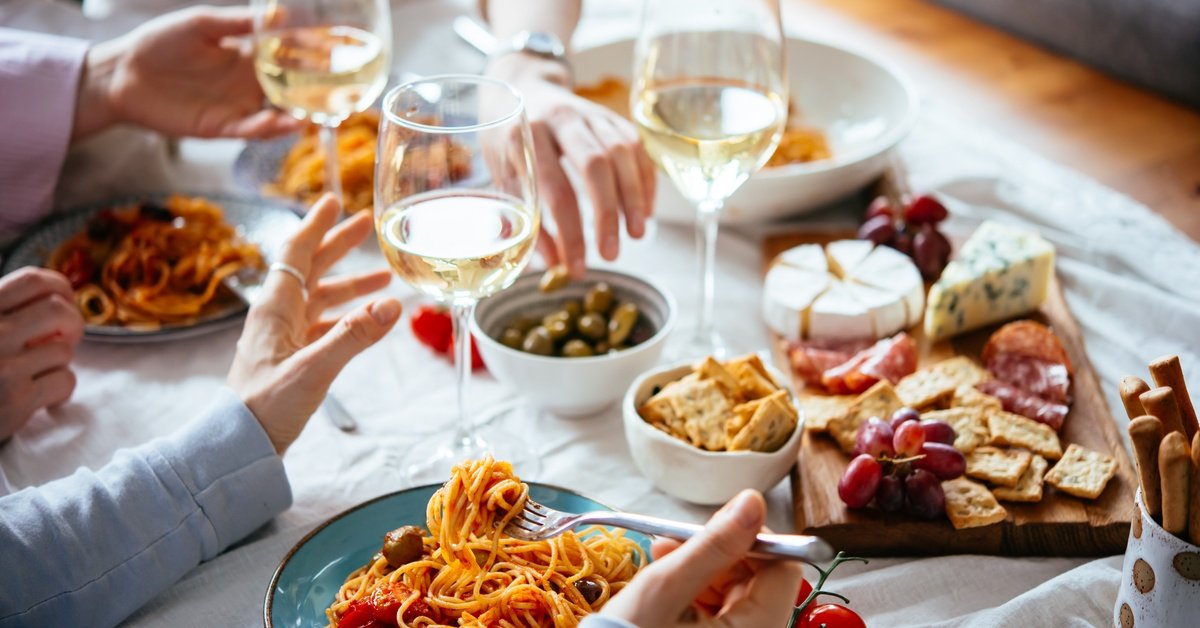
There’s something effortlessly inviting about Mediterranean culture. It blends vibrant flavors, relaxed conversation, and thoughtfully designed spaces into an experience that feels both elevated and approachable. Hosting a Mediterranean-inspired dinner party is less about perfection and more about creating a warm, sensory-rich environment where guests can slow down and enjoy every moment.
Whether you’re inspired by the coastal villages of Italy, the vineyards of southern France, or the sunlit terraces of Greece, bringing these elements together at home is easier than you might think. With the right combination of food, wine, ambiance, and design, your gathering can feel like a mini escape without anyone needing a passport.
Setting the Scene: Atmosphere Comes First
Before planning the menu, think about the overall atmosphere you want to create. Mediterranean entertaining is rooted in comfort and connection, so your space should feel welcoming rather than overly styled.
Start with lighting. Soft, warm lighting is essential—think candles, string lights, or lanterns that mimic the glow of a seaside evening. Natural textures like wood, linen, and stone help ground the setting and evoke that rustic elegance often found in Mediterranean homes.
Your table plays a central role. A simple linen tablecloth, ceramic dishware, and a few thoughtfully chosen accents can make a big impact. Details matter here, but they should feel organic rather than staged. Incorporating design elements inspired by coastal Europe can subtly elevate the space. For example, ideas drawn from Mediterranean-style cement tile designs can help bring texture and authenticity into your entertaining area without overwhelming it.
Building a Menu That Encourages Sharing
Mediterranean dining is all about abundance and variety, but not in an excessive way. Instead, it emphasizes fresh ingredients and dishes meant to be shared.
Begin with small plates. Olives, marinated vegetables, hummus, and fresh bread create an inviting start and allow guests to ease into the evening. These simple offerings also encourage mingling and conversation as people gather around the table.
For the main course, consider dishes that can be served family-style. Grilled fish with lemon and herbs, roasted chicken with garlic and olive oil, or a vegetable-forward pasta dish all fit beautifully into this theme. The goal is to keep things flavorful but not overly complicated.
Seasonality should guide your choices. Fresh tomatoes, zucchini, eggplant, and herbs like basil and oregano are staples that bring brightness to the table. A crisp salad dressed with olive oil and vinegar can balance richer dishes and add a refreshing element.
Dessert doesn’t need to be elaborate. Fresh fruit, a light pastry, or a simple almond cake pairs perfectly with coffee or a dessert wine. The emphasis is on ending the meal gently rather than making it feel overly indulgent.
Wine as Part of the Experience
For oenophiles, wine is more than just a pairing—it’s part of the storytelling. Mediterranean regions are known for their diverse and expressive wines, so this is your chance to highlight a few favorites.
Offer a mix of reds and whites to accommodate different preferences. A crisp Sauvignon Blanc or Vermentino works well with lighter dishes, while a bold red like Chianti or Grenache complements heartier options.
Presentation matters here too. Instead of simply pouring wine, consider sharing a brief note about where it comes from or why you chose it. This small detail can make the experience feel more intentional and engaging.
Encourage guests to savor rather than rush. Mediterranean dining often unfolds over several hours, and wine naturally follows that rhythm. Keeping glasses topped up without being intrusive helps maintain a relaxed flow throughout the evening.
The Role of Design in the Dining Experience
While food and wine are central, the environment you create shapes how everything is experienced. Mediterranean spaces often blur the line between indoor and outdoor living, so if you have access to a patio or garden, consider hosting part of your gathering outside.
Even indoors, you can capture that feeling by incorporating natural elements. Fresh flowers, greenery, or even a bowl of citrus fruit can add color and life to your table. These touches don’t need to be extravagant—they just need to feel intentional.
Textures also play a key role. Layering materials like linen napkins, ceramic plates, and wooden serving boards creates visual interest without feeling cluttered. Subtle patterns, especially those inspired by traditional Mediterranean craftsmanship, can enhance the setting in a way that feels authentic rather than decorative.
These details might seem small, but they contribute to the overall mood. When guests feel comfortable and visually engaged, they’re more likely to relax and fully enjoy the experience.
Creating a Flow for the Evening
One of the defining characteristics of Mediterranean gatherings is their unhurried pace. Unlike more structured dinner parties, there’s no strict timeline to follow.
Start with drinks and light bites as guests arrive. This gives everyone time to settle in and connect before moving to the main meal. Transition naturally rather than announcing each course—let the evening unfold at its own pace.
Music can help guide the atmosphere without dominating it. Soft background music, such as acoustic guitar or light jazz, adds another sensory layer while still allowing conversation to take center stage.
As the evening progresses, encourage guests to linger. Coffee, tea, or a final glass of wine can extend the experience and make it feel more complete. This slower rhythm is what sets Mediterranean entertaining apart—it’s about enjoying the journey, not just the destination.
Personal Touches That Make It Memorable
What truly elevates a dinner party is the personal connection you bring to it. Sharing stories about your inspiration, whether it’s a trip you took, a recipe you discovered, or a design element you admire, adds depth to the experience.
Handwritten place cards, a small takeaway like a jar of olive oil or spices, or even a curated playlist can leave a lasting impression. These details don’t need to be elaborate; they just need to feel thoughtful.
Consider how each element of the evening ties together. The flavors, the setting, the music, and the conversation should all feel cohesive. When everything aligns, the experience becomes more than just a meal—it becomes a memory.
Bringing It All Together
Hosting a Mediterranean-inspired dinner party is about creating a space where people feel connected, relaxed, and inspired. It’s not about replicating a specific destination perfectly, but about capturing the essence of a lifestyle that values good food, meaningful conversation, and beautiful surroundings.
By focusing on atmosphere, embracing simplicity in your menu, and paying attention to design details, you can create an experience that feels both authentic and personal. The Mediterranean way of entertaining reminds us that the best gatherings aren’t rushed or overly planned—they’re lived in, enjoyed, and shared.
Image Credentials: by FornStudio, 1808960888