
Woodworking offers a rewarding way to build practical items while developing hands-on skills. You shape raw materials into useful and often beautiful objects, and each project strengthens your confidence. Many beginners feel unsure about where to start, what tools to buy, or how to avoid mistakes. With the right approach, you can build a solid foundation and enjoy steady progress from your very first project.
Start with Simple Projects
You don’t need complex plans to begin woodworking. Simple projects help you learn core techniques without overwhelming you. Focus on building items like small shelves, basic boxes, or a simple workbench. These projects teach measuring, cutting, joining, and finishing, which are all essential skills.
Choose projects that match your current skill level. If you try something too advanced, frustration may slow your progress. Each completed project builds momentum and sharpens your abilities. You will notice improvement quickly when you repeat basic techniques across different builds.
Learn the Essential Tools First
Woodworking tools range from simple hand tools to advanced power equipment. As a beginner, you should focus on a small set of reliable tools instead of buying everything at once.
Start with these essentials:
- Tape measure and combination square for accurate measurements
- Handsaw or circular saw for basic cuts
- Drill and drill bits for creating holes and driving screws
- Clamps to hold pieces securely during assembly
- Sandpaper or a basic sander for smoothing surfaces
- Hammer and screwdriver for assembly tasks
When you understand how to use these tools well, you can expand your collection with confidence. Quality matters more than quantity, so invest in tools that feel comfortable and perform reliably.
Understand Wood Types and Materials
Different types of wood behave in different ways. You should learn the basics of wood selection early in your journey. Hardwood and softwood each serve different purposes.
Hardwoods like oak, maple, and walnut offer durability and a refined appearance. Softwoods like pine and cedar cost less and work well for beginner projects. Plywood and engineered wood products provide stability and affordability for many builds.
Pay attention to grain direction, knots, and moisture content. These factors affect how wood cuts, sands, and finishes. When you choose the right material for your project, you set yourself up for better results.
Practice Accurate Measuring and Marking
Accuracy drives success in woodworking. Even small measurement errors can create gaps, uneven joints, or misaligned pieces. You should develop careful measuring habits from the beginning.
Always measure twice before you cut. Use a sharp pencil or marking knife for precise lines. Keep your measuring tools calibrated and clean. Consistency matters more than speed, especially when you build foundational skills.
When you take your time during this step, you reduce mistakes and save materials.
Focus on Clean and Safe Cutting Techniques
Cutting wood requires both precision and attention to safety. You should learn proper cutting techniques before tackling larger projects. Keep your tools sharp and maintain full control during every cut.
When working with sheet materials, beginners often struggle with getting a clean plywood cut. Support the material properly, use the correct blade, and guide your saw steadily. These steps reduce splintering and improve your final result.
Always wear safety gear such as eye protection and hearing protection. Keep your hands clear of blades and maintain a stable stance. Good habits protect you and improve your craftsmanship.
Build Strong Joinery Skills
Joinery connects pieces of wood and determines the strength of your project. You don’t need advanced joints right away. Start with simple methods and improve over time.
Common beginner-friendly joints include:
- Butt joints with screws or nails
- Pocket hole joints for strong and hidden connections
- Lap joints for added strength
- Dowel joints for clean alignment
Practice these joints on scrap wood before using them in real projects. As your confidence grows, you can explore more advanced techniques like dovetails or mortise-and-tenon joints.
Take Sanding and Finishing Seriously
Sanding and finishing transform rough builds into polished pieces. Many beginners rush through this stage, but careful attention here makes a huge difference.
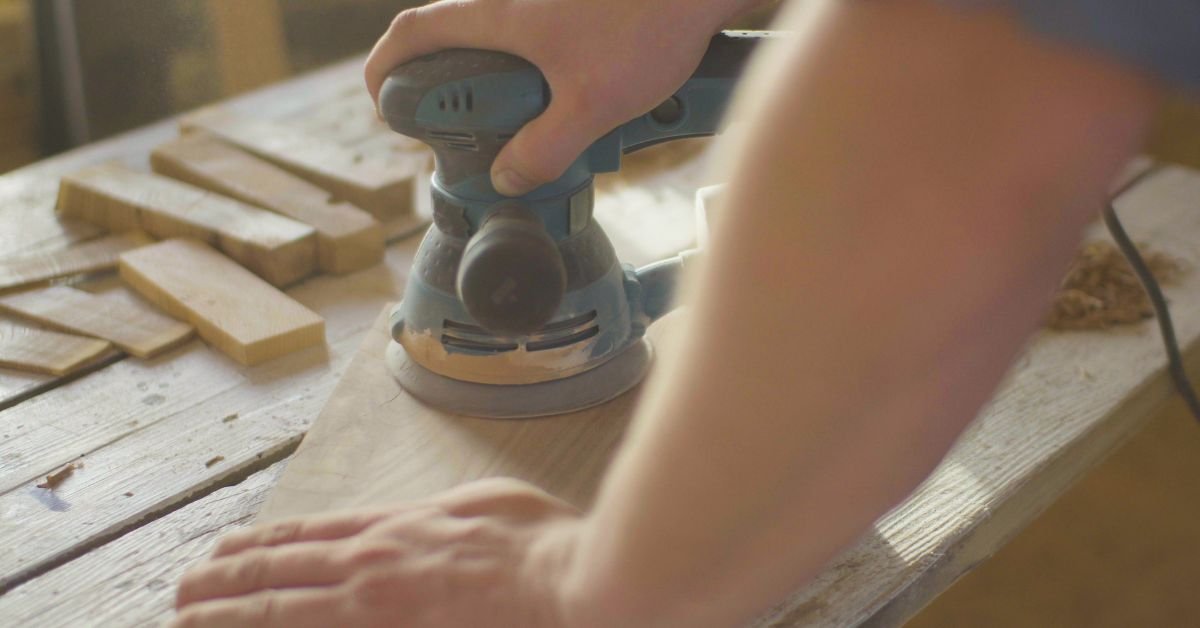
Start with coarse sandpaper and move gradually to finer grits. Sand along the grain to avoid scratches. Remove dust between each step to maintain a smooth surface.
Choose a finish that suits your project. Options include paint, stain, oil, or polyurethane. Each finish offers a different look and level of protection. Apply finishes evenly and allow proper drying time between coats.
A well-finished project looks professional and lasts longer.
Set Up a Functional Workspace
You don’t need a large workshop to start woodworking. You just need a space that supports safety and efficiency. A garage, basement, or even a small corner can work well.
Focus on these elements:
- A sturdy work surface or bench
- Good lighting for visibility
- Proper ventilation for dust and fumes
- Organized storage for tools and materials
Keep your workspace clean and clutter-free. Organization helps you work faster and reduces the risk of accidents.
Learn from Reliable Sources
You can find woodworking knowledge in many places. Books, videos, and online tutorials all offer valuable insights. Choose sources that demonstrate clear techniques and explain each step.
Watch experienced woodworkers as they handle tools and solve problems. Try to understand why they choose certain methods. Then apply those lessons in your own projects.
Hands-on practice matters most, but learning from others can accelerate your progress.
Be Patient and Embrace Mistakes
Woodworking requires patience. You will make mistakes, especially in the beginning. Instead of feeling discouraged, treat each mistake as a learning opportunity.
If a cut goes wrong or a joint doesn’t fit, analyze what happened. Adjust your approach and try again. Over time, you will develop better instincts and stronger skills.
Progress comes from consistent effort, not perfection.
Keep Safety a Top Priority
Safety should guide every decision you make in your workshop. You should never rush through a process or ignore proper precautions.
Follow these basic safety habits:
- Wear protective gear at all times
- Keep tools in good condition
- Maintain focus while using sharp or powered equipment
- Avoid distractions when working
- Store tools safely after use
When you respect your tools and your environment, you create a safer and more enjoyable woodworking experience.
Upgrade Skills Gradually
You don’t need to master everything at once. Focus on improving one skill at a time. As you gain experience, you can introduce more advanced tools and techniques.
For example, you might start with basic cuts and joints, then move on to shaping, routing, or detailed finishing work. Each step builds on your previous knowledge.
This gradual approach keeps woodworking enjoyable and prevents burnout.
Stay Inspired and Keep Building
Motivation plays a big role in any hobby. Look for inspiration in everyday items, furniture designs, or online communities. When you see something interesting, think about how you could build it yourself.
Keep a list of project ideas and revisit it often. Try new designs that challenge your abilities while staying within your skill range. Each project brings new lessons and keeps your interest alive.
Woodworking becomes more rewarding as your skills grow and your projects become more refined.
Getting Your Start in Woodworking
Woodworking offers a fulfilling path for anyone who enjoys creating with their hands. You can start small, build essential skills, and gradually take on more complex projects. Focus on accuracy, safety, and consistent practice. Choose quality tools, understand your materials, and take pride in each step of the process.
With patience and effort, you will develop confidence and craftsmanship. Every project you complete adds to your experience and deepens your enjoyment of the hobby.
Image Credentials: By siberianstock, File 163732497