Creating a forever home in a desert environment demands careful thought and respect for natural conditions. Heat, wind, and scarce water require smart decisions that balance comfort and visual appeal without excess waste. A well-planned approach allows homeowners to enjoy beauty and function while ensuring value within a harsh yet striking landscape.
Desert regions present unique opportunities as well as challenges, since wide open skies and sunlight create a distinct sense of place. Each design choice can enhance comfort while reducing maintenance and energy use. With these desert environment tips to build your forever home, you can create a space that is calm, efficient, and deeply connected to its surroundings.
Site Selection and Orientation
Choosing the right site sets the tone for every design decision that follows within a desert environment full of natural constraints. Careful orientation can reduce heat exposure and improve airflow across living spaces without reliance on complex mechanical systems. Sun paths, wind patterns, and terrain features all influence comfort, efficiency, and satisfaction within your chosen location.
A home that faces favorable directions can limit harsh afternoon sun while welcoming gentle morning light into key interior spaces. Natural shade from terrain or nearby features can reduce temperature extremes and support outdoor comfort throughout different seasons. Early planning ensures that the home works with the environment rather than against it, which supports comfort and efficiency.
Heat-Resistant Materials
Material choice plays a major role in durability and comfort within desert climates that place constant stress on surfaces and structures. Stone, concrete, and treated wood can withstand high temperatures while maintaining structural integrity across years of exposure to sun and wind. These materials also provide thermal mass, which helps regulate indoor temperatures and reduce reliance on mechanical cooling systems.
Exterior finishes must resist fading, cracking, and wear caused by intense sunlight and occasional sand exposure over long periods. Light colored surfaces reflect heat and help maintain lower surface temperatures around the home during peak daylight hours. Durable selections reduce maintenance needs and preserve the home’s appearance without frequent repairs or replacement.
Water Efficiency Strategies
Water remains a limited resource in desert environments, which makes conservation an essential aspect of responsible home design and sustainability. Efficient plumbing fixtures, smart irrigation systems, and mindful landscaping choices can greatly reduce overall water consumption without sacrificing comfort or visual appeal. Each element contributes to a balanced approach that respects local conditions while supporting daily needs.
Rainwater collection systems and greywater reuse can further extend available resources for landscape care and non-potable household uses. Native plants require less water and adapt well to desert climates, which reduces the need for frequent irrigation and ongoing maintenance. A thoughtful water plan ensures resilience and supports responsible living within a fragile ecosystem.
Energy Efficient Cooling
Cooling systems account for a large portion of energy use in desert homes, which makes efficiency a central concern for comfort. High-performance insulation, reflective roofing, and well-sealed windows can reduce heat transfer and maintain stable indoor temperatures throughout the day. These measures limit strain on cooling systems and help reduce energy costs over many years.
Natural ventilation will help maintain comfort, as airflow can remove heat without excessive reliance on mechanical systems. Strategic placement of windows and vents allows air to move through the home and support passive cooling methods. A balanced system combines technology and design to create a comfortable indoor environment under extreme conditions.
Outdoor Living Design
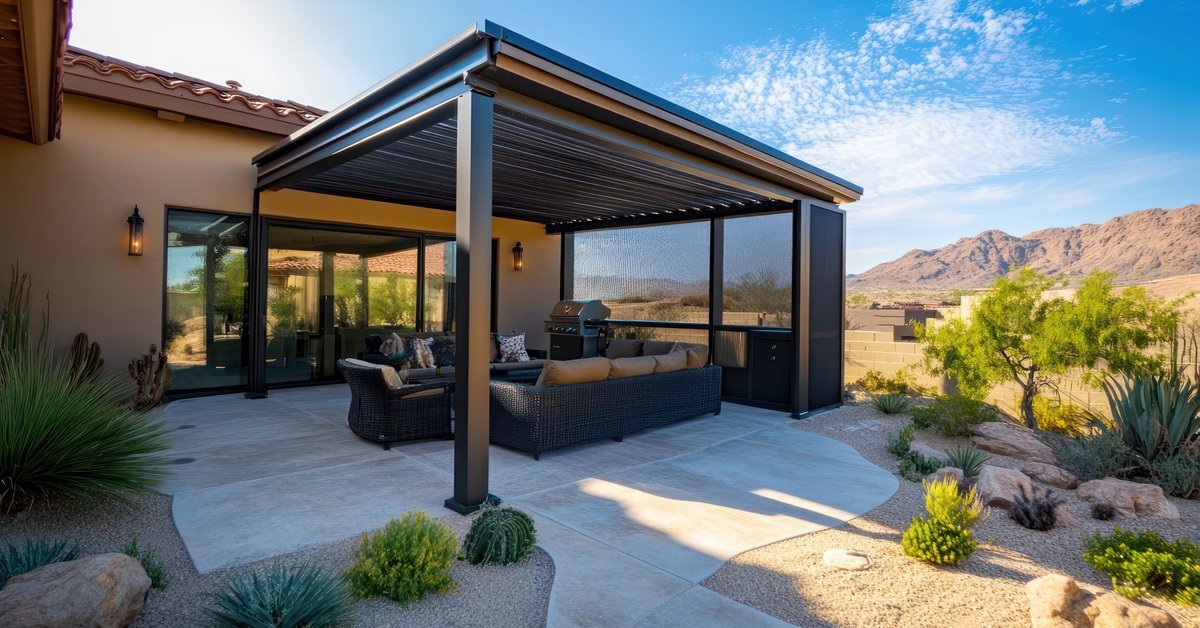
Outdoor spaces extend living areas and allow residents to enjoy the natural beauty of desert landscapes in a comfortable and practical manner. Shade structures, durable seating, and thoughtful layouts can create inviting spaces that remain usable even during warmer parts of the day. These areas support relaxation and social interaction while blending seamlessly with the surrounding environment.
Careful planning ensures that outdoor features remain functional and attractive despite exposure to harsh elements. Materials and layouts must support ease of maintenance while preserving comfort and visual harmony across seasons. With these tips on designing the outdoor kitchen of your dreams in the desert, you can create a space that supports function and lasting enjoyment.
Landscaping with Native Plants
Native plants thrive in desert environments because they adapt naturally to limited water and high temperature conditions without extensive care. These plants provide texture, color, and visual interest while supporting local ecosystems and reducing maintenance demands. A well-designed landscape can enhance curb appeal and create a sense of place that reflects the surrounding region.
Grouping plants with similar water needs can improve irrigation efficiency and reduce waste across the landscape. Ground cover options can help retain soil moisture and prevent erosion caused by wind or occasional rain events. Thoughtful selection creates a balanced outdoor environment that remains attractive and sustainable over time.
Durable Roofing Choices
Roofing systems must withstand intense sun exposure, temperature fluctuations, and occasional storms within desert climates that test material performance over time. Reflective roofing materials can reduce heat absorption and help maintain lower indoor temperatures during peak daylight hours. Strong construction ensures protection against environmental stress while supporting durability.
Proper insulation beneath the roof further improves energy efficiency and enhances overall comfort within the home throughout the year. Ventilation within the roofing system allows heat to escape and prevents buildup that could affect structural components. A well-designed roof supports performance and visual harmony with the surrounding environment.
Long Term Maintenance Planning
Building your forever home in the desert requires a maintenance plan that addresses the effects of environmental exposure across years of use. Regular inspection of systems and outdoor areas can prevent small issues from becoming costly repairs. Preventive care ensures that the home remains functional and visually appealing over time.
Choosing materials and systems that require minimal upkeep can reduce effort and support a more relaxed lifestyle within a challenging environment. Durable selections and thoughtful design decisions contribute to resilience and ease of care. A proactive approach helps protect the investment and maintain comfort across seasons.
A desert home must ensure a thoughtful balance between design, efficiency, and respect for nature. Careful planning allows homeowners to embrace the beauty of the desert while maintaining practicality and value.
A well-designed desert home stands as a reflection of smart choices and a clear understanding of environmental demands that influence structure and comfort. With attention to detail and a commitment to efficiency, it is possible to create a home that thrives within its surroundings. This approach ensures that your forever home remains a place of comfort and lasting satisfaction.
Image credentials: yasna, 1267072225