You’ve probably attended a wedding where the couple exchanged rings, cut a cake, or tossed a bouquet, but these familiar customs in the US are just a small part of how people celebrate marriage. In different cultures, weddings feature everything from colorful clothing and elaborate dances to symbolic ceremonies that honor generations of family history. Exploring wedding traditions from around the world reveals the many creative ways couples celebrate love and commitment. Here are fascinating traditions that offer a closer look at how different cultures make their wedding celebrations memorable.
India: Celebrating With Color and Rituals
Indian weddings are famous for their vibrant colors and elaborate celebrations. Depending on the couple’s religious and regional traditions, festivities may span several days and include numerous family gatherings. Each event gives relatives and friends opportunities to participate in customs that celebrate the couple’s relationship and the joining of their families.
One important Hindu wedding ritual is the saptapadi, during which the couple takes seven steps together, traditionally around a sacred fire. Each step represents a commitment related to their shared future, including prosperity and companionship. This ceremony emphasizes marriage as a partnership built on promises that extend well beyond the wedding day.
Japan: Sharing Sake During the Ceremony
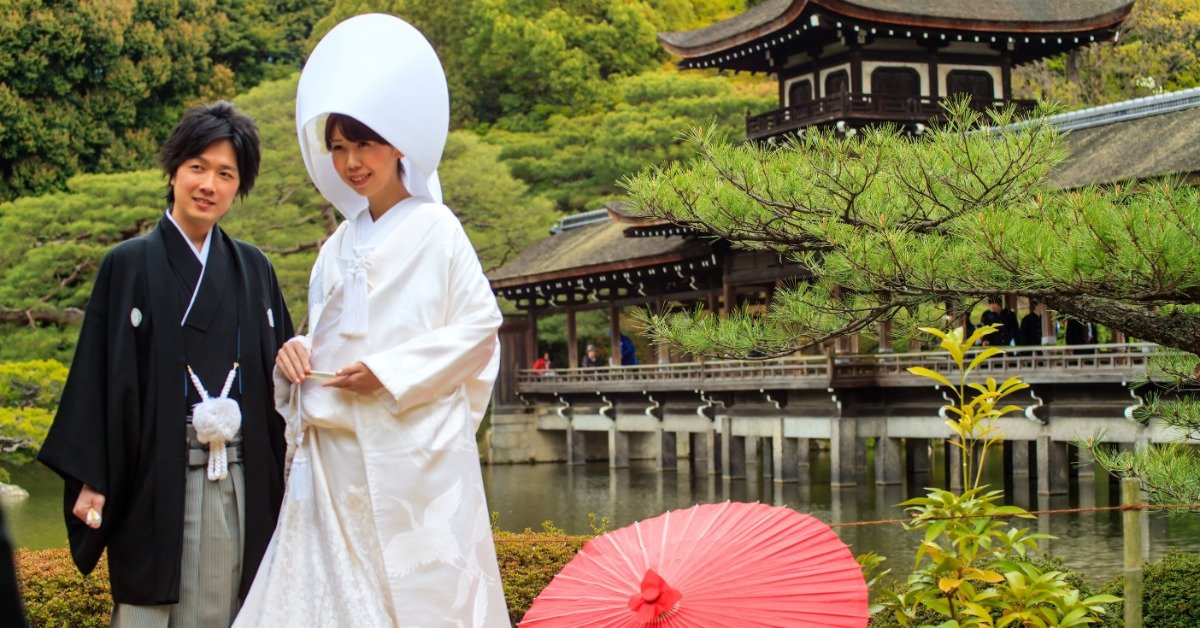
Japanese weddings can incorporate Shinto rituals, Western-inspired ceremonies, or a combination of cultural influences. Traditional Shinto weddings often take place at shrines, where couples participate in carefully arranged rituals that reflect respect and unity. These ceremonies generally have a more formal atmosphere than the lively receptions that may follow.
Among the many marriage customs celebrated around the world, Japan’s traditional sake-sharing ceremony stands out for its elegant simplicity. During san-san-kudo, the couple traditionally drinks sake from three ceremonial cups of different sizes. Each partner takes three sips from each cup, creating a sequence of nine sips per person. The ritual symbolizes the couple’s union and is associated with strengthening the bonds between their families. Its measured pace creates a meaningful moment within the larger wedding ceremony.
Hawaii: Exchanging Wedding Lei
Hawaiian wedding celebrations may incorporate the exchange of lei, beautiful garlands made from flowers, leaves, or other natural materials. Giving a lei is a meaningful gesture associated with affection and respect in Hawaiian culture. When included in a wedding ceremony, this exchange provides couples with a distinctive way to honor their relationship.
Different lei styles can carry personal or cultural significance, depending on the materials used and the occasion. Fragrant flowers such as pikake and tuberose are popular for weddings, while traditional greenery creates an elegant alternative. Some couples also present lei to their parents or other loved ones to recognize their important roles in the celebration.
The Significance of Maile Lei
Maile lei are recognizable for their long strands of glossy green leaves, which drape gracefully over the shoulders. Traditionally associated with honor and respect, these fragrant garlands are worn during significant Hawaiian celebrations. Wedding customs surrounding maile lei etiquette reflect the importance of presenting these meaningful gifts thoughtfully, whether they’re exchanged between partners or given to family members.
Mexico: Symbolizing Unity and Commitment
Traditional Mexican weddings often combine religious customs with lively celebrations that bring extended families together. Many ceremonies incorporate symbolic objects representing the couple’s commitment and hopes for their future. These meaningful details are frequently followed by receptions filled with dancing and festive meals.
Several wedding customs are especially recognizable in Mexican celebrations:
- El lazo: A decorative cord, rosary, or floral garland is placed around the couple’s shoulders, often in a figure-eight shape, to symbolize their lasting bond.
- The money dance: At some receptions, guests contribute money while taking turns dancing with the newlyweds, offering a playful way to celebrate and support the couple.
- Mariachi music: Some couples include live mariachi performances during their festivities, bringing traditional Mexican music into the celebration.
- La tornaboda: Certain families continue celebrating with a smaller gathering after the main reception, extending the festivities with additional food and time together.
Nigeria: Honoring Family Through Celebration
Nigeria is home to numerous ethnic groups, each with distinctive marriage customs and celebrations. Traditional weddings often emphasize family involvement, with relatives playing important roles in welcoming the couple into their new lives together. Colorful clothing, energetic music, and ceremonial exchanges make these occasions particularly memorable.
Among Yoruba communities, traditional engagement ceremonies may involve representatives from both families exchanging greetings and participating in formal introductions. The groom and his companions may prostrate themselves before the bride’s family as a gesture of respect.
Matching Outfits and Cultural Identity
One striking feature of many Nigerian weddings is the tradition of wearing coordinated clothing known as aso ebi, particularly among Yoruba communities. Family members and friends may select outfits made from matching fabrics to show their connection to the couple. These coordinated ensembles often feature vibrant colors, decorative embroidery, and elaborate accessories, including traditional headwraps. Beyond creating a beautiful visual display, the clothing represents solidarity and the joy of celebrating together.
Greece: Celebrating With Symbolic Customs
Traditional Greek weddings often feature religious ceremonies followed by energetic receptions that continue late into the evening. In Greek Orthodox weddings, several rituals symbolize the couple’s spiritual connection and responsibilities toward one another. The celebrations also highlight the importance of hospitality.
Some recognizable Greek wedding customs include:
- Stefana crowns: The couple wears ceremonial crowns joined by a ribbon, symbolizing their union and shared life.
- The common cup: During an Orthodox ceremony, the couple drinks wine from a shared cup to represent the experiences they’ll face together.
- Traditional dancing: Guests may join circle dances accompanied by Greek music, bringing different generations together on the dance floor.
- Wedding favors: Small gifts called bombonieres, often containing sugared almonds, are given to guests as tokens of appreciation.
From colorful Indian celebrations to symbolic Hawaiian lei exchanges, wedding customs offer fascinating glimpses into the values and histories of different cultures. While the ceremonies may look very different, many share an emphasis on family, commitment, and celebrating new beginnings. Some traditions have been passed down for generations, while others continue to evolve as couples incorporate their personal preferences. Whether you’re attending an international wedding or simply curious about cultural customs, these traditions show the many beautiful ways to celebrate love.
Image Credentials: Photo by: Nicholashan #67569182