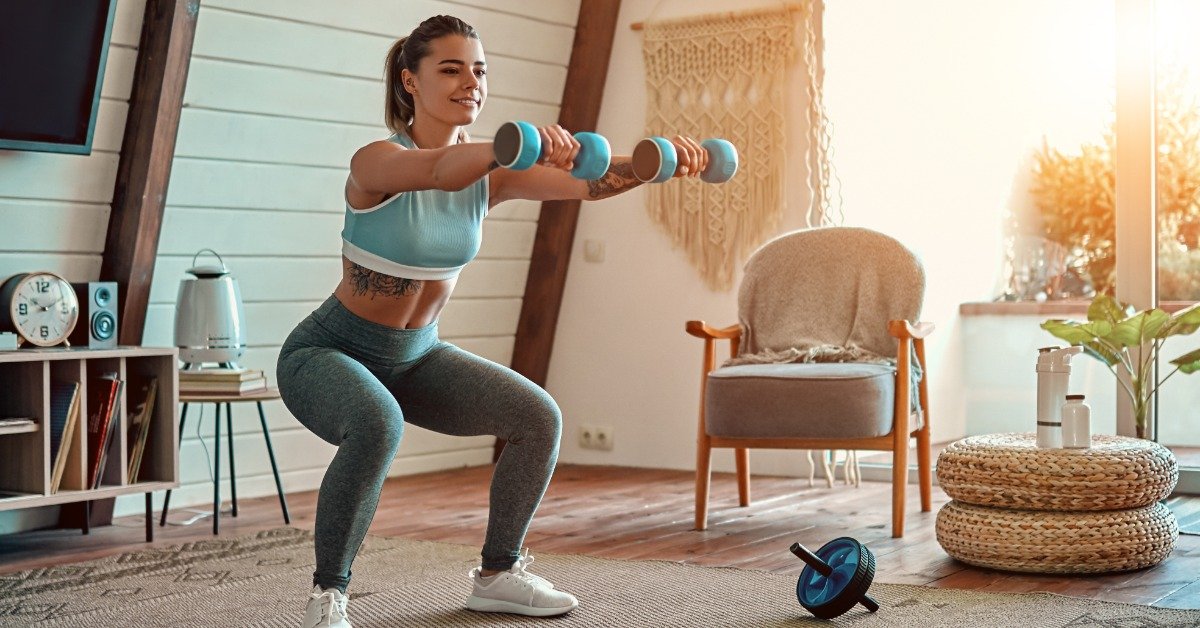
Building a fitness room at home can transform how you approach exercise. Instead of dealing with crowded gyms, commuting, or limited hours, a dedicated workout space makes it easier to stay consistent and motivated. Whether you are a beginner looking to start a healthier routine or someone who regularly trains, designing the right environment can significantly improve your experience and results.
Creating the perfect home fitness room is not only about buying equipment. It involves thoughtful planning, smart organization, and creating a space that supports both physical activity and mental focus. With the right setup, your home gym can become a place that encourages movement, improves well-being, and fits seamlessly into your daily life.
Choosing the Right Space for Your Fitness Room
The first step in creating an effective home fitness room is selecting the right area in your home. This space should allow you to move freely while accommodating the equipment you plan to use. Many homeowners convert spare bedrooms, basements, garages, or unused living spaces into workout areas.
A good fitness room should have enough floor space to perform exercises safely. Activities such as stretching, yoga, strength training, or high-intensity workouts require room to move without bumping into furniture or walls. Ceiling height is also important, especially if you plan to include equipment like pull-up bars or perform jumping exercises.
Lighting plays an important role as well. Natural light can boost energy levels and make the room feel more inviting. If natural light is limited, bright overhead lighting or adjustable LED fixtures can create a more energized atmosphere. The goal is to design a space that feels comfortable and motivating rather than cramped or dim.
Designing a Layout That Supports Movement
A well-designed layout makes your fitness room functional and easy to use. Instead of filling the space with equipment, focus on creating zones for different types of workouts. This allows you to move smoothly between exercises and maintain an organized environment.
For example, one section of the room might be dedicated to cardio equipment such as a treadmill or stationary bike. Another area could be used for strength training with free weights or resistance bands. A third area might remain open for stretching, yoga, or bodyweight exercises.
Keeping pathways clear is essential for safety. Equipment should be placed far enough apart to allow comfortable movement between stations. Storage solutions such as wall-mounted racks or shelving units can help keep smaller items like dumbbells, yoga mats, and resistance bands organized without cluttering the floor.
A thoughtful layout ensures that your fitness room remains practical and enjoyable to use every day.
Selecting Equipment That Matches Your Goals
When designing a home fitness room, it is tempting to purchase as many machines as possible. However, the best approach is to choose equipment that aligns with your personal fitness goals and available space.
For strength training, adjustable dumbbells, kettlebells, or resistance bands can provide versatile workout options without taking up too much room. A weight bench can expand the variety of exercises you can perform while remaining compact enough for most spaces.
Cardio equipment can vary depending on personal preference. Some people prefer treadmills or ellipticals for steady workouts, while others may choose rowing machines or stationary bikes for low-impact exercise. Compact equipment can be especially helpful for smaller rooms.
Functional fitness tools such as medicine balls, suspension trainers, and foam rollers can add variety to workouts without overwhelming the space. By choosing equipment carefully, you can build a fitness room that supports a wide range of exercises while maintaining an uncluttered environment.
Flooring That Protects Both You and Your Home
Flooring is an important part of any home fitness room. The right surface can improve comfort, reduce noise, and protect both your equipment and your home’s structure.
Rubber flooring is one of the most popular choices for home gyms because it provides durability and shock absorption. It can handle dropped weights, heavy equipment, and high-impact exercises while protecting the underlying floor. Interlocking rubber tiles are especially convenient because they are easy to install and replace if needed.
Foam mats are another option for areas focused on yoga, stretching, or bodyweight exercises. They provide cushioning and help reduce strain on joints during floor workouts.
Proper flooring also helps reduce vibrations and noise, which can be especially important in homes where other people may be working, relaxing, or sleeping nearby. A well-chosen floor surface enhances safety while making your fitness room more comfortable to use.
Creating a Motivating Atmosphere
A fitness room should feel inspiring and energizing. The atmosphere of the space can greatly influence your motivation and consistency when it comes to exercise.
Color choices can play a role in setting the tone of the room. Bright or energetic colors may increase enthusiasm during workouts, while neutral tones can create a calm environment for yoga or stretching. Mirrors are also commonly used in home gyms because they help with monitoring form and make the room feel larger.
Air quality is often overlooked when designing a home fitness room, but it plays a crucial role in creating a healthy exercise environment. Physical activity increases breathing rate, which means you are inhaling more air during workouts. When looking for an air purifier, know how to select the best one that fits your space.
Decor can also contribute to motivation. Posters, motivational quotes, or even a simple progress board can remind you of your goals and achievements. A space that feels personal and encouraging makes it easier to stay committed to your fitness routine.
Storage and Organization for a Clean Workout Space
An organized fitness room helps maintain focus and reduces distractions during exercise. When equipment is scattered or difficult to find, it can interrupt workouts and make the space feel chaotic.
Storage solutions such as wall hooks, shelving units, or vertical racks can keep equipment neatly arranged while maximizing available space. Items like resistance bands, jump ropes, and yoga mats can easily be stored on wall-mounted systems.
Larger equipment such as dumbbells or kettlebells can be placed on sturdy racks that keep the floor clear and prevent tripping hazards. Storage benches or cabinets can hide smaller accessories while maintaining a clean appearance.
Keeping your fitness room organized also makes it easier to clean and maintain. Wiping down equipment after workouts and occasionally reorganizing the space helps ensure the room remains inviting and ready for use.
Making the Space Adaptable for the Future
Fitness goals often evolve over time, so designing a flexible workout space can help your home gym remain useful for years to come. Instead of filling every inch of the room with equipment, leave some open space for future additions or new workout styles.
Modular equipment and adjustable systems allow you to change workouts without replacing everything in the room. Adjustable benches, foldable machines, and multifunction training systems are excellent options for adaptable home gyms.
Technology can also make the space more versatile. Streaming workout programs, interactive fitness apps, or virtual training sessions can add new challenges and keep workouts engaging.
By planning for flexibility, your home fitness room can grow with your interests and fitness journey.
Building a Space That Supports Consistency
The perfect home fitness room is one that encourages regular use. When your workout space is comfortable, organized, and motivating, it becomes easier to maintain a consistent exercise routine.
Thoughtful design, clean air, proper equipment, and a motivating atmosphere all contribute to a space that supports healthy habits. Rather than feeling like a chore, working out in a well-designed home fitness room can become an enjoyable part of daily life.
With careful planning and a focus on functionality, you can create a personal fitness environment that supports your goals, improves your well-being, and makes staying active more convenient than ever.
Image Credentials: by Valerii Apetroaiei, 327395572